FIF in Space: Energy Created by Sound Moves Dust before Launch
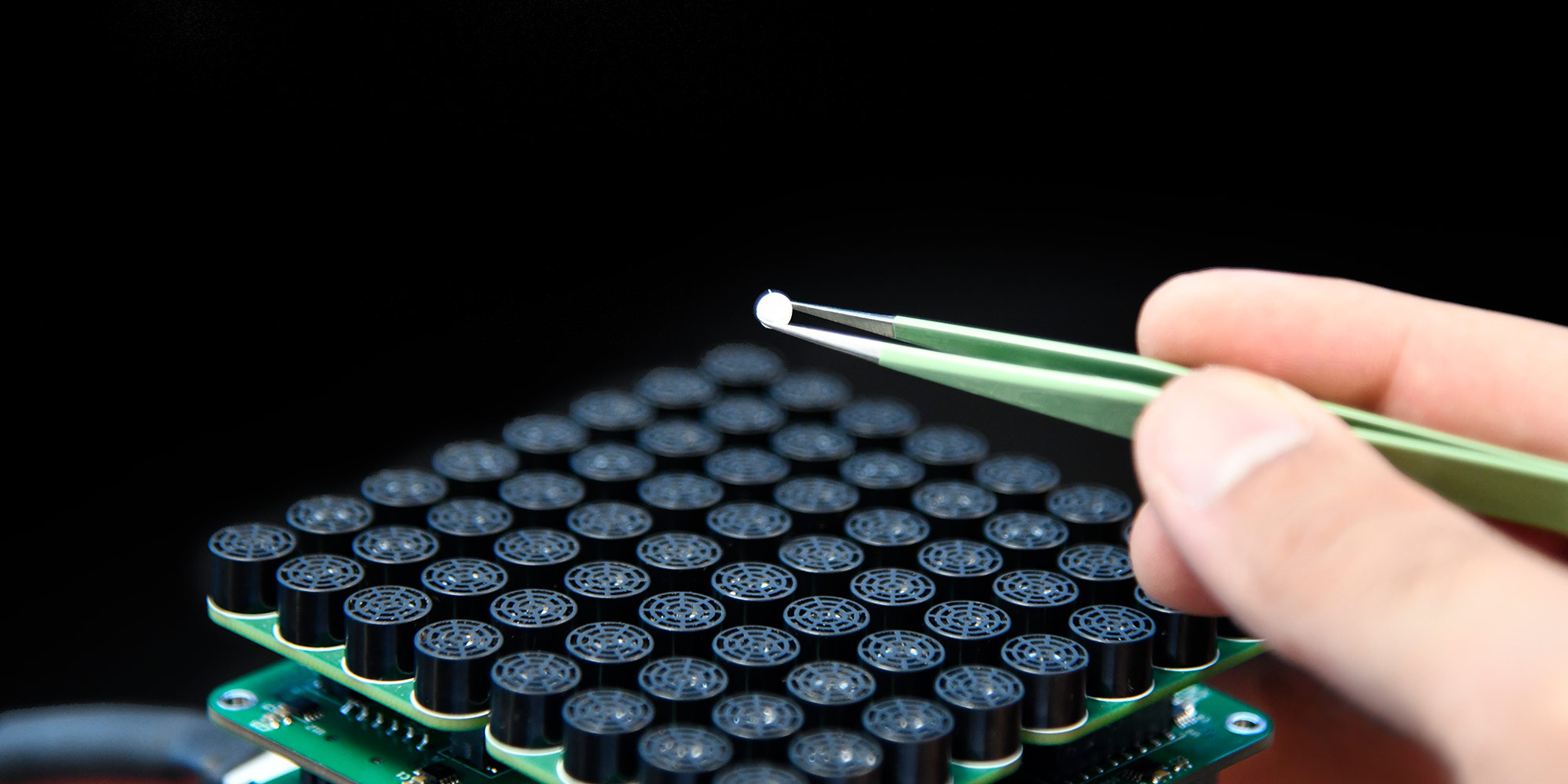
As concertgoers know firsthand, sound has the power to move; music can inspire people to clap, dance and jump for joy. Yet Wanis takes a whole other approach to sound and motion: he uses the energy created by sound to move objects.
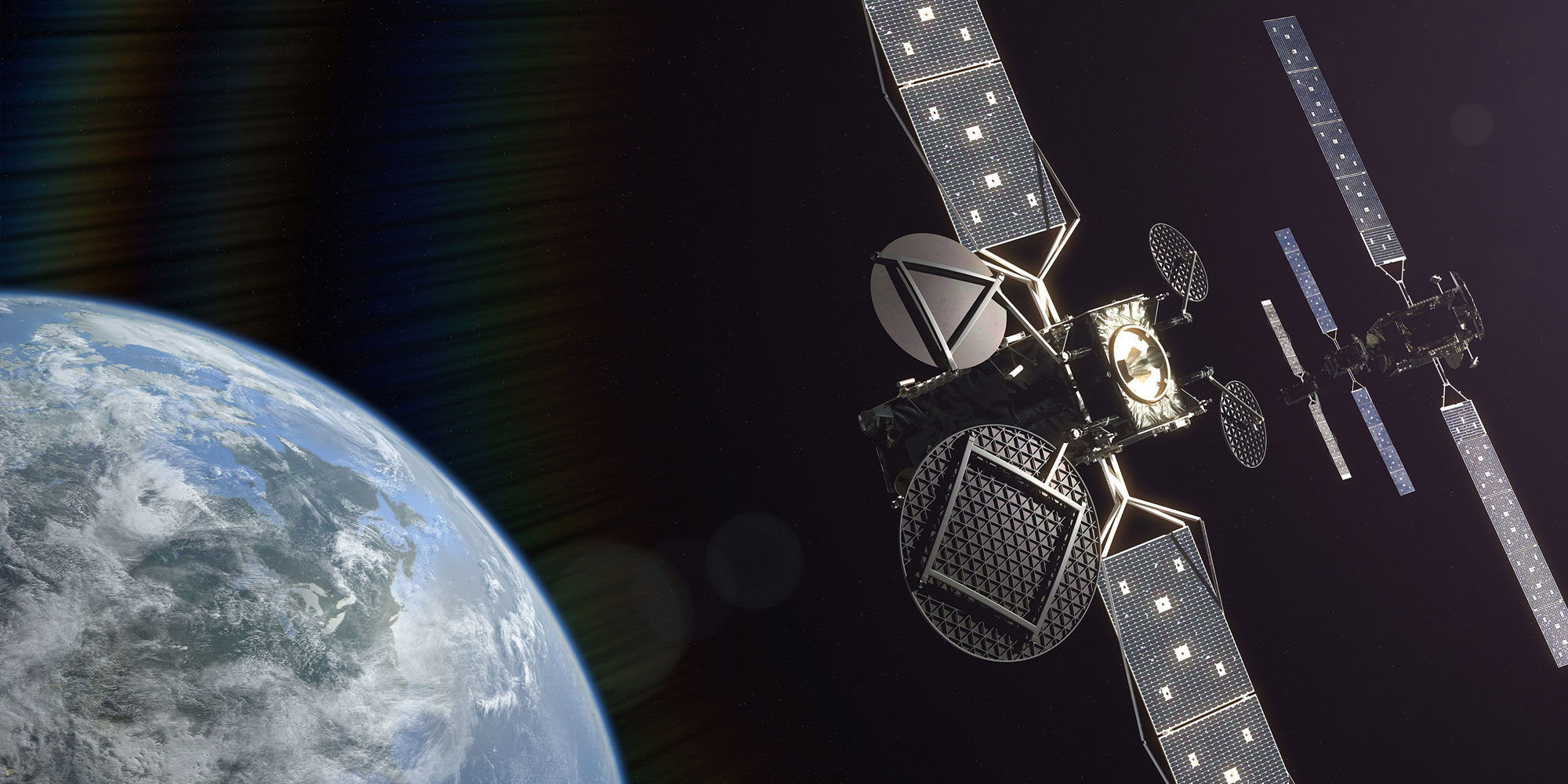
When it comes to delicate equipment, you typically can't just pull out a DustBuster to remove particles. When dust particles, for example, accumulate on the surface of a telescope mirror that's headed for space, other means of "dusting" have to be considered. Particles on these delicate mirrors redirect the light they are looking for and thus degrade the science that can be obtained.
"What you need on any large space asset is non-contact surface cleaning," Wanis said. Field induced forces have the potential to be the ideal touchless cleaner, he said.
Most field induced forces research and how it can manipulate and move matter has focused on either waves created by acoustics or electromagnetic energy, according to Wanis. He researches acoustic field induced forces and believes it can replace more harmful and less effective cleaning methods, such as jets of liquid CO2. Even if applied with a steady hand and eye, CO2 doesn't quite control the movement of unwelcome particles which can re-adhere to another part of the mirror and also introduce unwanted thermal stresses to the mirrors delicate surface.
"The problem is you don't know where the particle is going," Wanis said of traditional cleaning methods. "It could be going further down the surface. The group that does contamination control will evaluate any contamination particles during inspection and sometimes decide to leave it there and not recognize it. While they would like to remove all contamination particles some are left to avoid putting stress on the mirror from the liquid CO2."
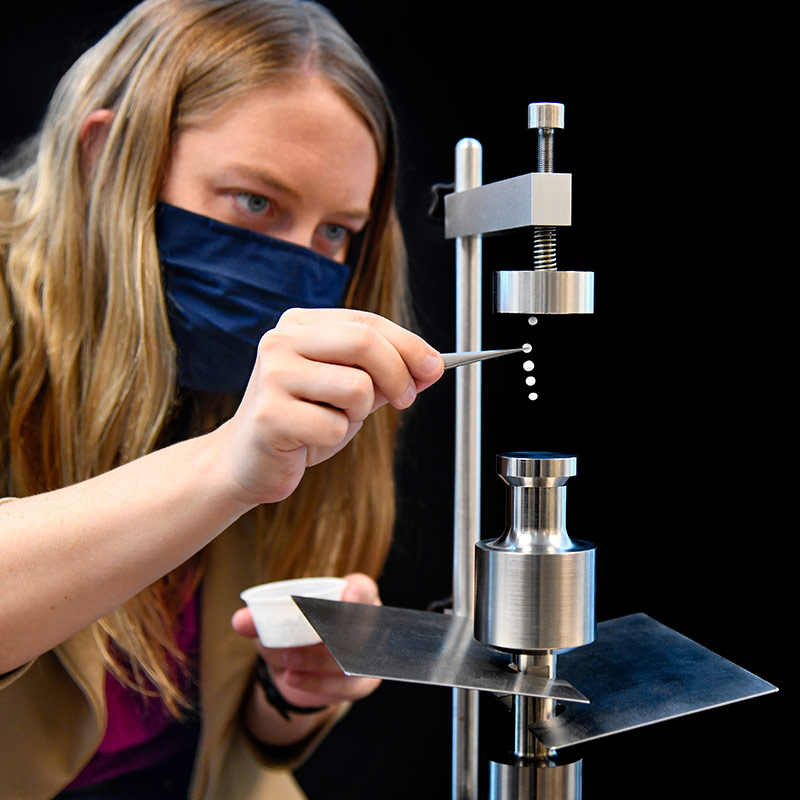
Wanis' experiments successfully pinned down and moved particles that range from 200 down to 2 microns or smaller. The particles no longer move freely but are instead trapped in the acoustic field. No object touches the particles since the force comes from the acoustic field itself as they are safely steered away from the surface. "We introduced our own particles on a sample test surface and showed they can be removed from the surface and isolated without ever touching the surface," he said.
"It would be great if you can do this at a large scale and not introduce something that's not known to the surface," Wanis added. He and his team continue researching this use of field induced forces, but he is already convinced it could help clean and preserve large telescopic surfaces on satellites just before launch.