Todd Mott: Clearing the Smoke on Data Reduction
Ensuring Accuracy on the Launch Pad

By Brooks McKinney
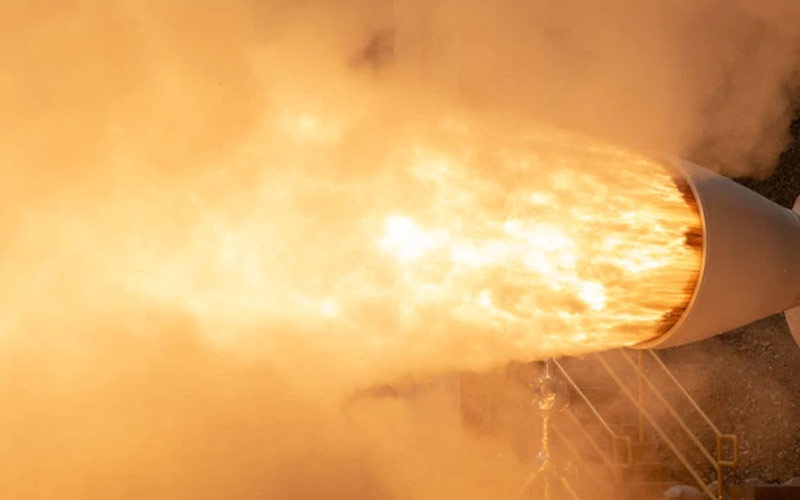
Whenever Northrop Grumman conducts a static test of the new five-segment Flight Support Booster (FSB) has developed for NASA's Space Launch System, hundreds of test instruments attached to the rocket generate millions of data points through thousands of data channels. Most of this raw data — presented as voltage or bit count — is indecipherable, even to the hundred or so test engineers involved with the company's FSB test program in Promontory, Utah.
Loading component...
Loading component...
Loading component...
Looking for Trouble Using Data Points
Mott also manages innumerable data related to the integrity of the rocket motor case itself.
"During static tests of our Space Launch System booster, our test engineers measure all the different forces that could cause the booster to fail prematurely," he explains. "For example, they measure the pressure inside the rocket case, the strain on the actual case materials, the levels of vibration the case is experiencing, the temperature of the case and the degree to which different parts of the rocket are displaced when the motor is firing."
The test team uses the products of Mott's data reduction to evaluate the strength and performance of the rocket motor case during launch — a key factor in determining the overall performance of the motor.