Dawn
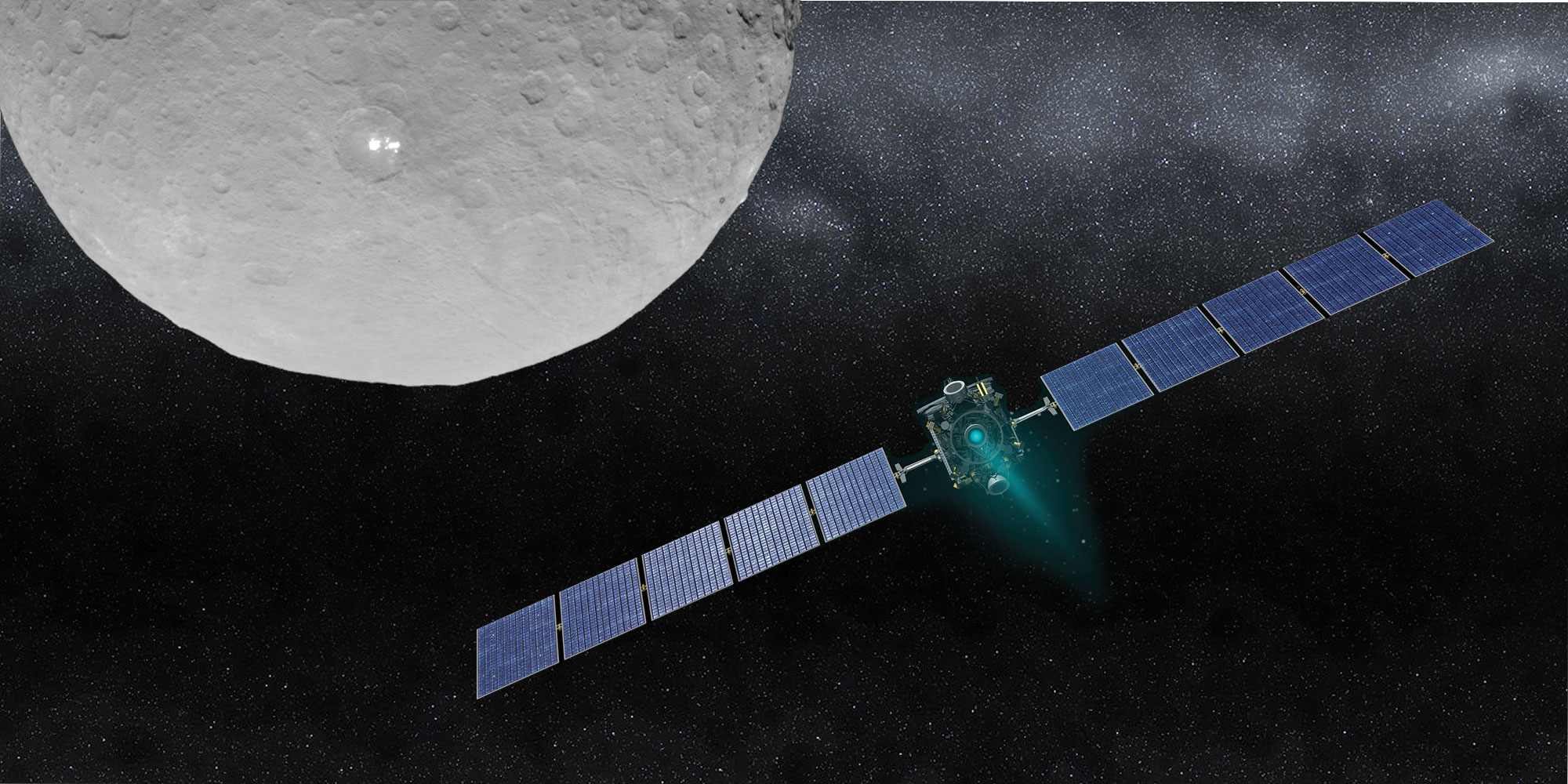
What is the Dawn Spacecraft?
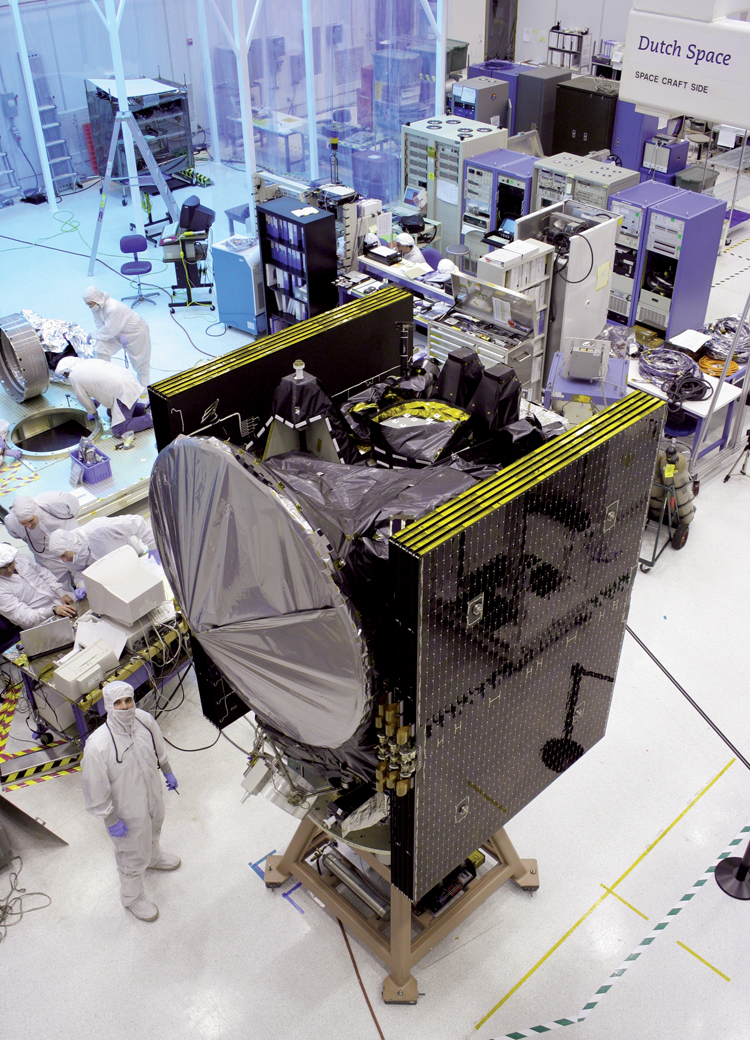
Dawn is a planetary science mission funded by NASA’s Discovery Program. Northrop Grumman partnered with Principal Investigator Dr. Chris Russell of UCLA and the Jet Propulsion Laboratory (JPL) for the mission. Dawn’s primary scientific objective is to advance understanding of the origin and evolution of the solar system by studying the protoplanet, Vesta and the dwarf planet Ceres. Both bodies appear to have remained intact since their formation 4.6 billion years ago. Earth-based studies indicated that these two protoplanets had very different and complementary compositions, which together would advance our understanding of the conditions and processes of planetary formation.
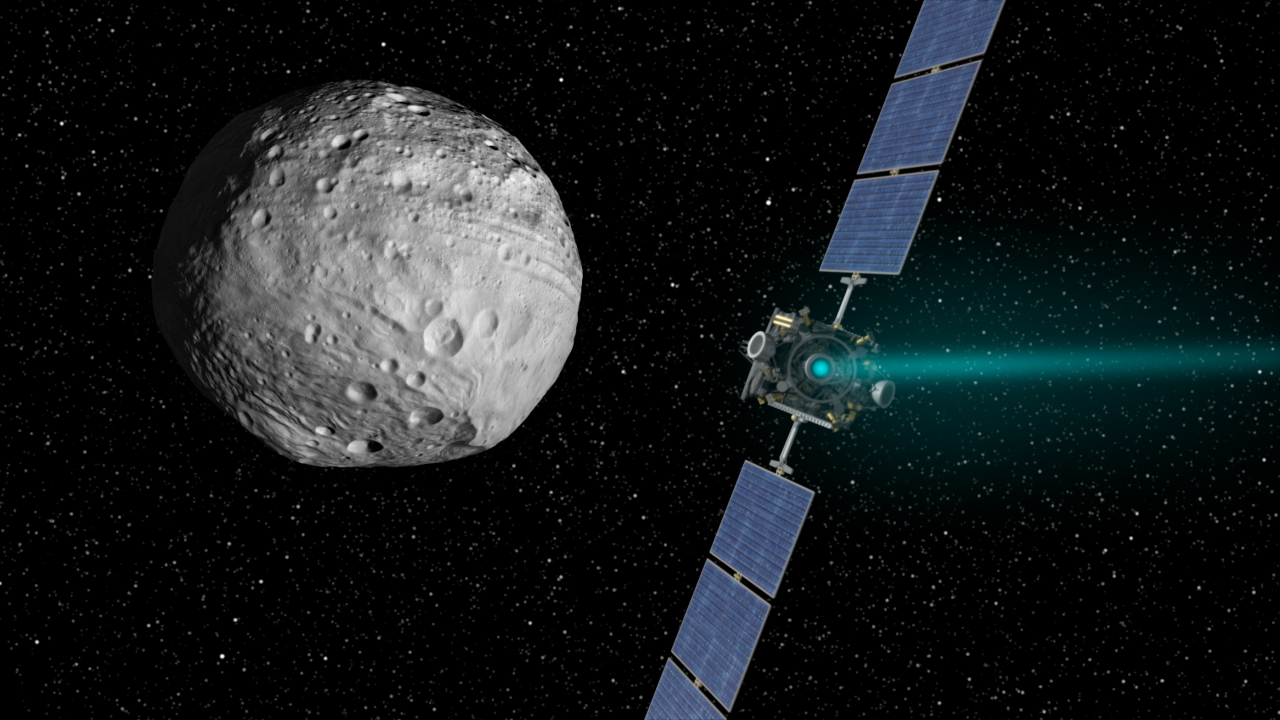
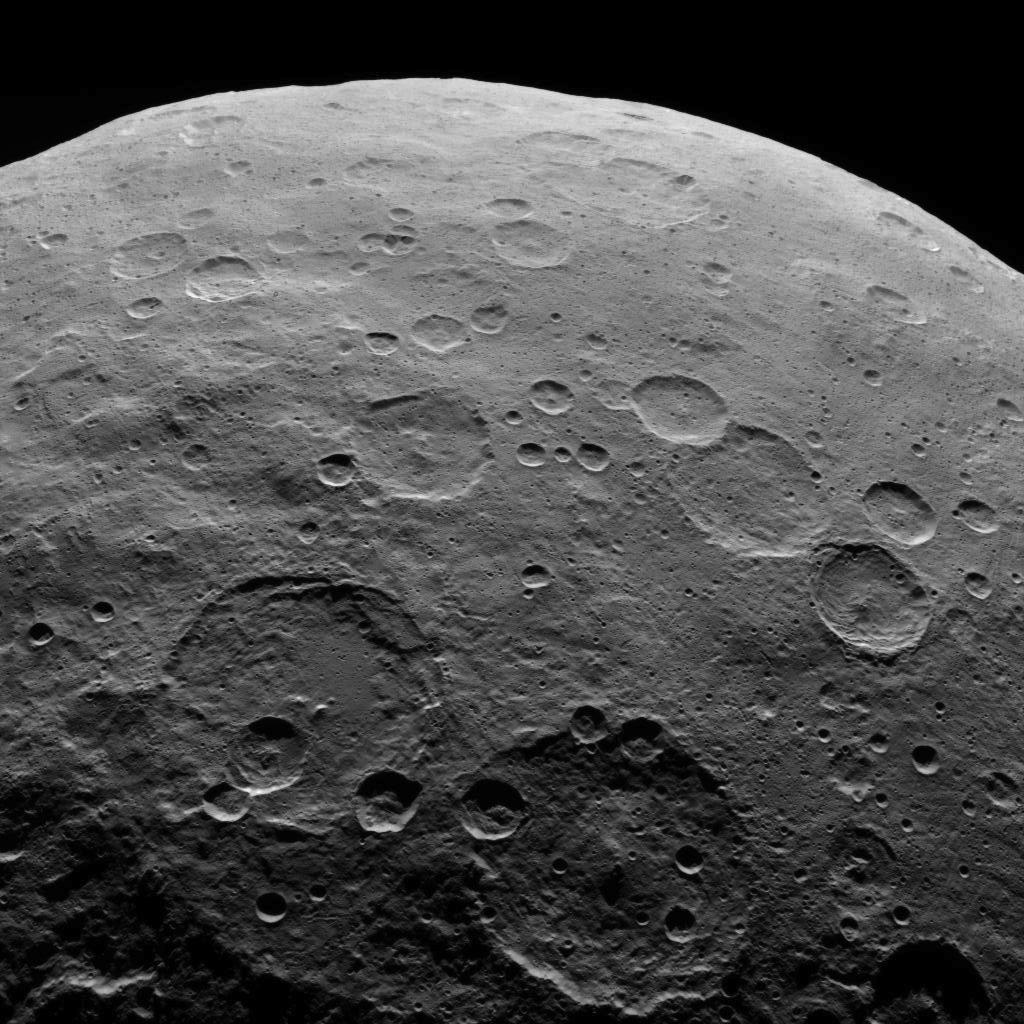
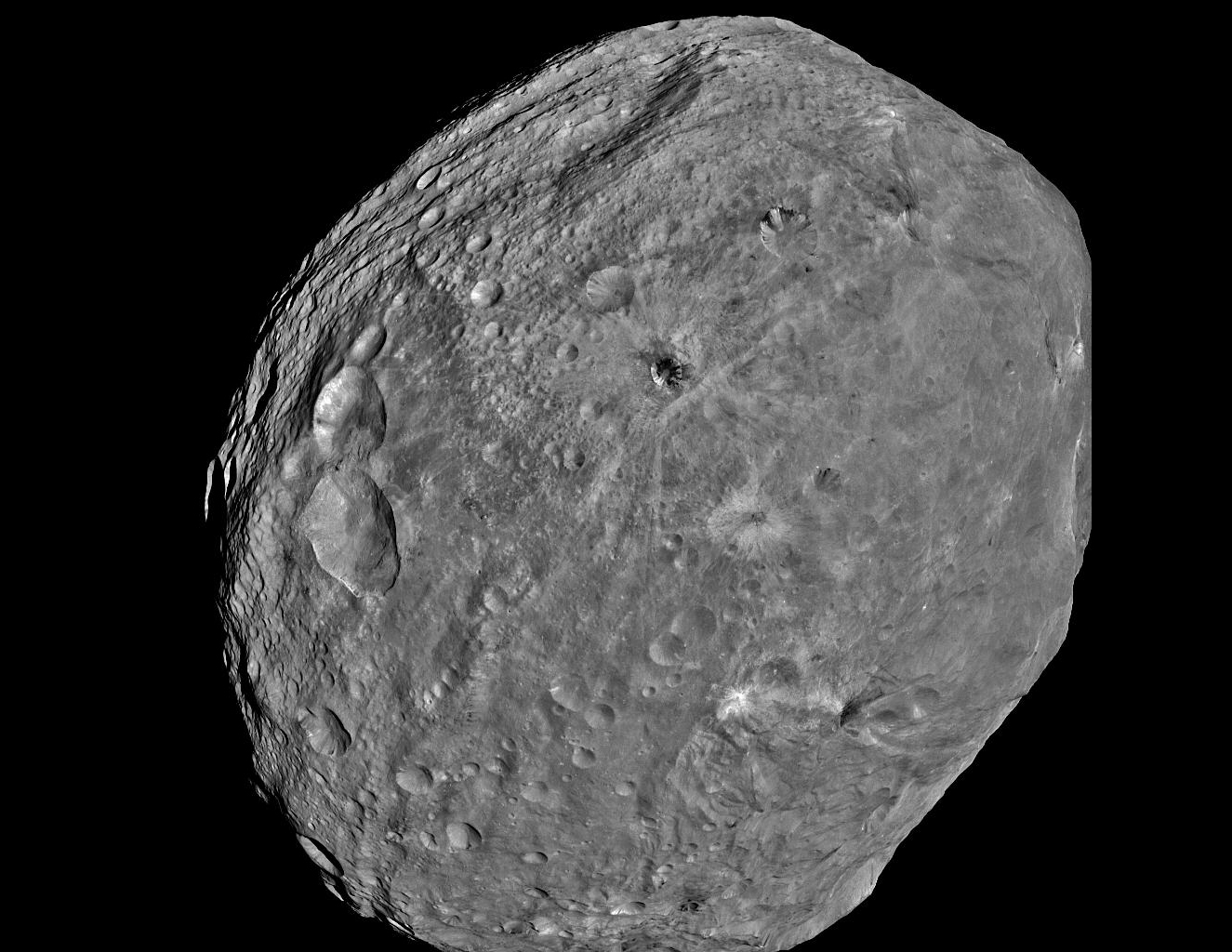
Powered by solar electric ion propulsion, the Dawn spacecraft traveled to the main asteroid belt between Mars and Jupiter. Dawn arrived at Vesta in July 2011 and spent more than a year orbiting the asteroid, conducting remote sensing observations using a suite of science instruments. The spacecraft departed Vesta in September 2012 and arrived for its science investigation at Ceres in March 2015. Dawn showed Vesta to be dry and rocky, as anticipated. Ceres shows evidence of briny water below a dry surface, with numerous bright salt deposits. Dawn completed its prime mission in 2016 and continued in an extended mission to observe Ceres.
Loading component...
Loading component...
Loading component...
Loading component...
Science and Exploration in Space
Find out more about Northrop Grumman's role in exploring the next frontier