The Backplane of NASA’s Webb Telescope Offers a Strong, Steady Hand
By Albert McKeon
In the cold, dark reaches of space, even the most sophisticated and advanced technology could use support.
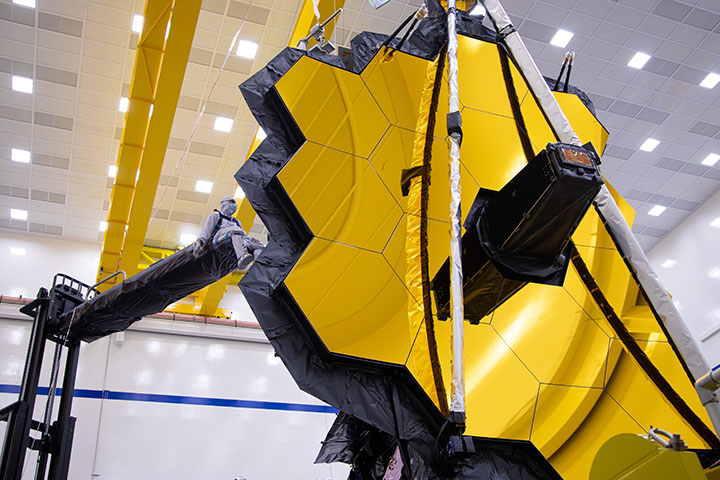
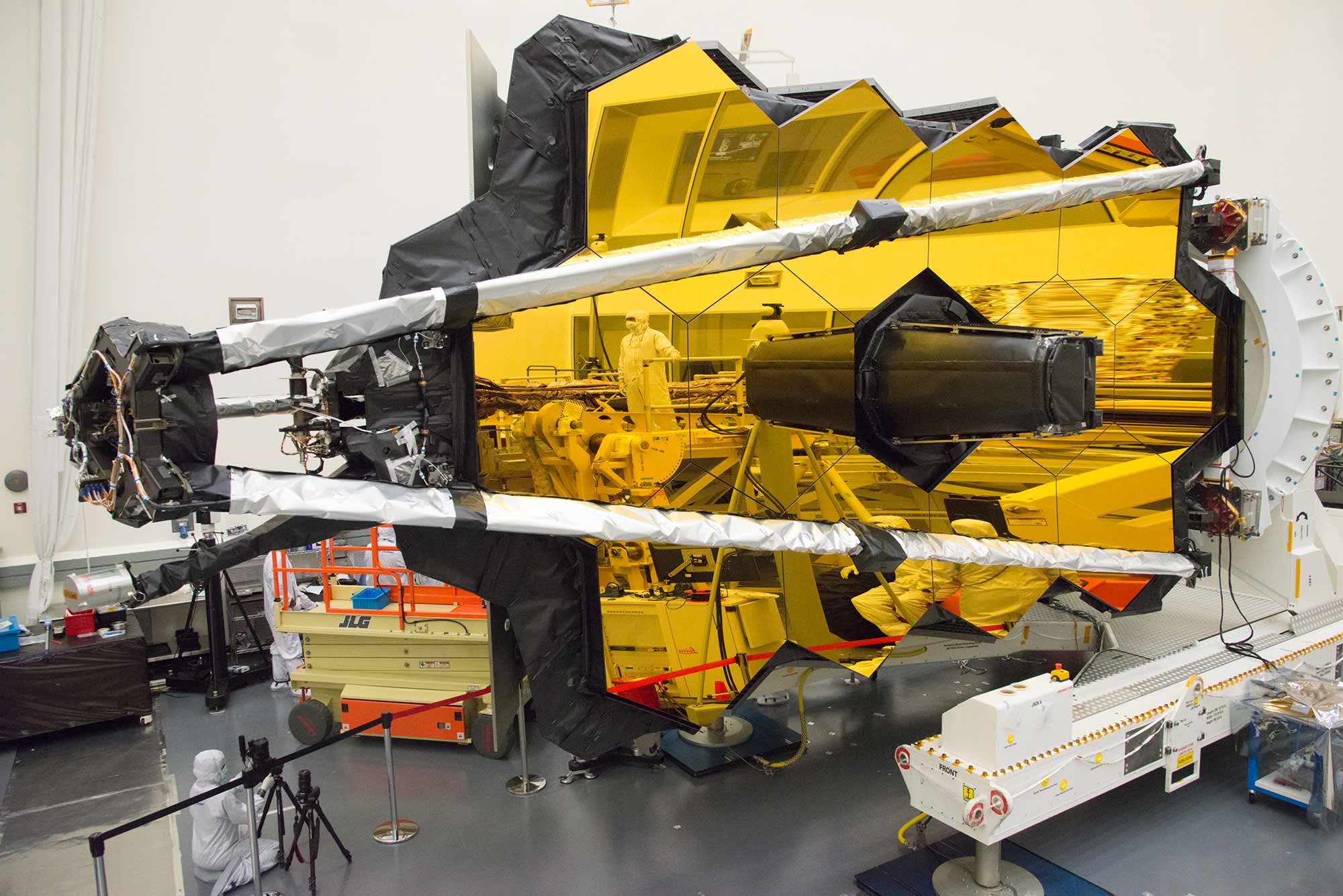
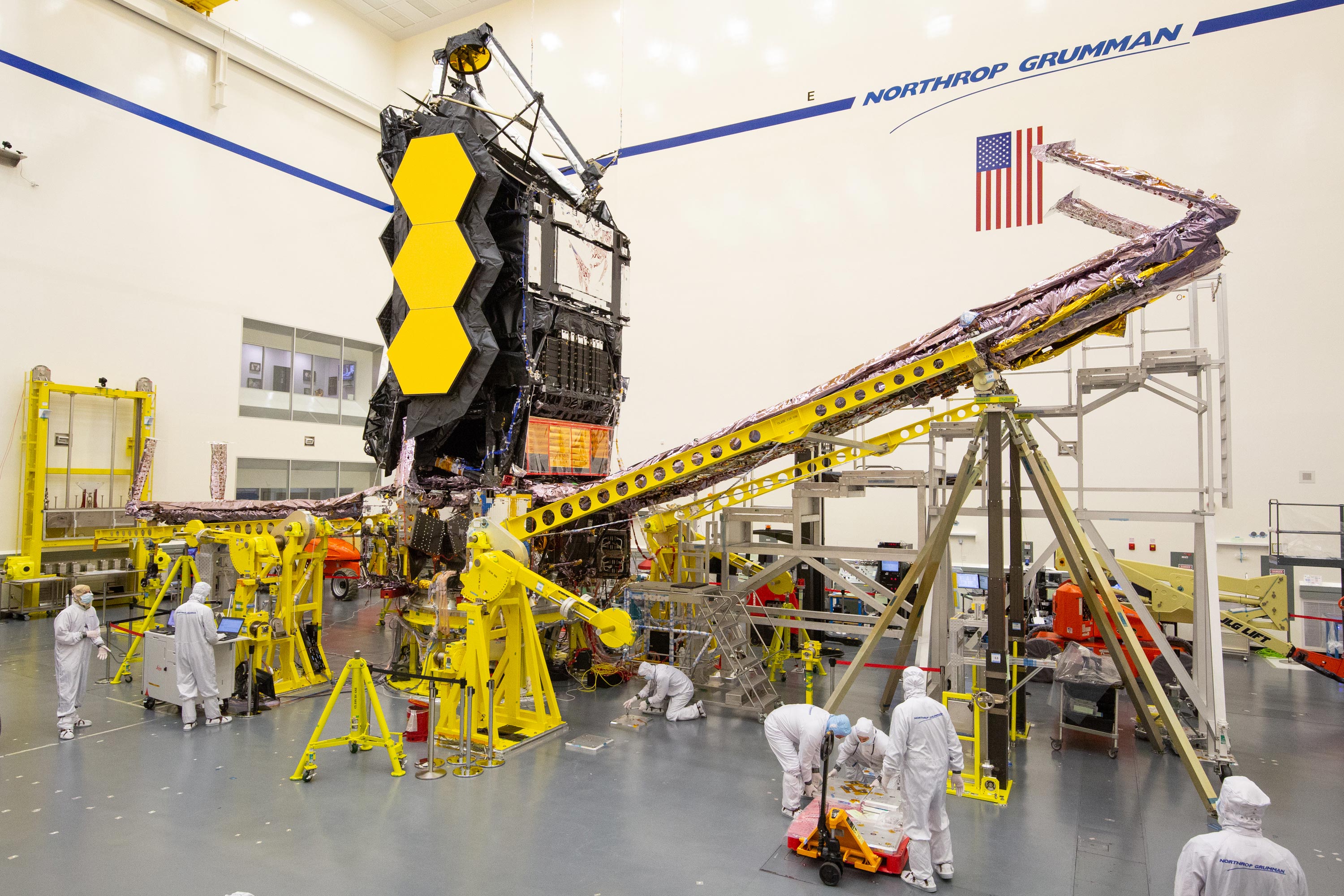
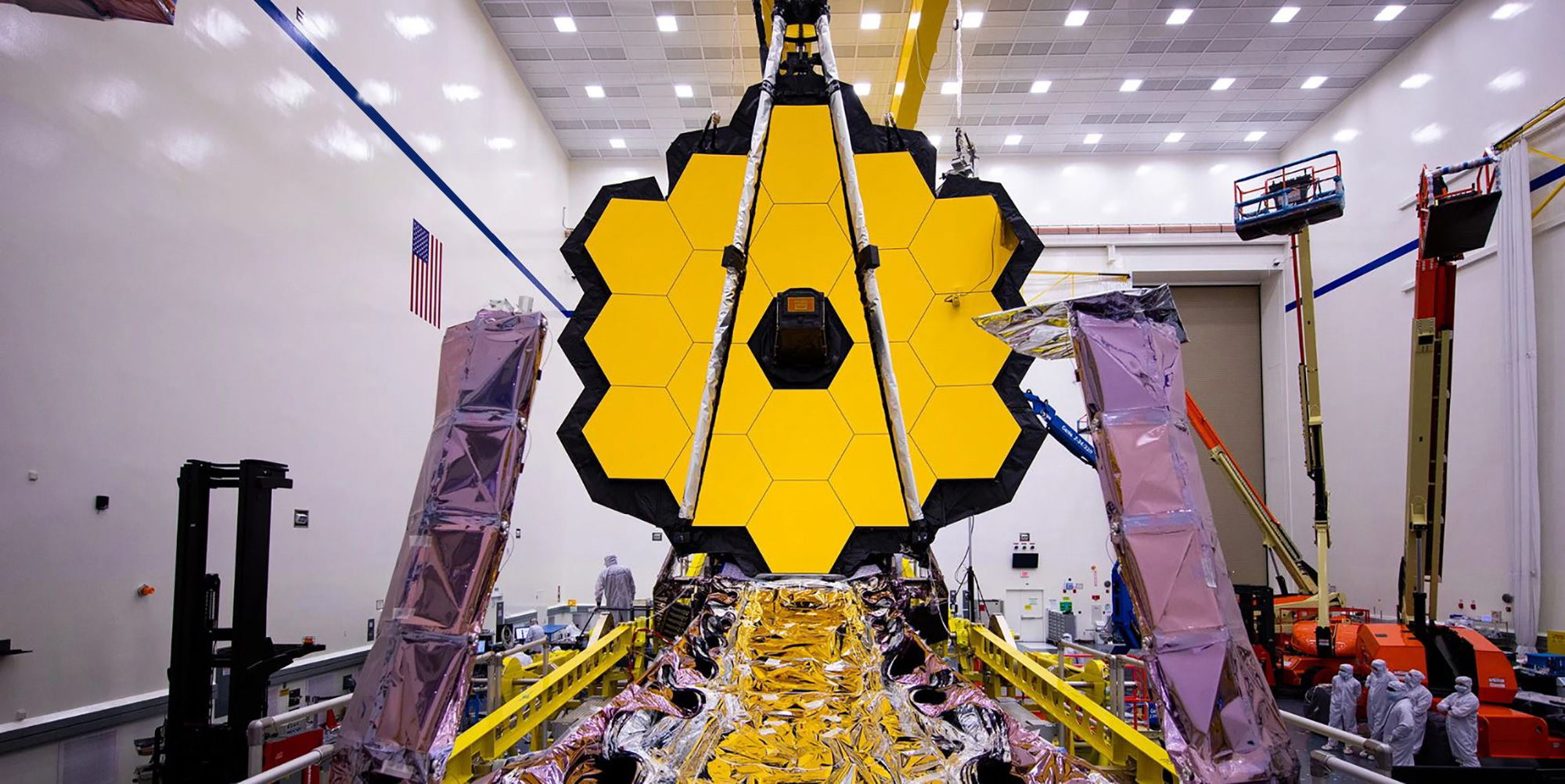
The James Webb Space Telescope will rely on a support structure that aims to not only carry more than two tons of hardware but also provide much-needed stability as the spacecraft performs precise movements in temperatures colder than minus 400 degrees Fahrenheit. The invention and construction of this "spine," is known as the Primary Mirror Backplane Support Structure (PMBSS). It’s was one of several years-long projects within a larger project to create the largest, most complex and powerful space telescope ever built.
When NASA launches Webb later this year, it will aim a telescope that's optimized for infrared wavelengths into the depths of distance space to learn more about the first galaxies that formed in the early universe and peer through dusty clouds to see new stars forming and the planetary systems surrounding them being created. It's an ambitious and exciting undertaking that could reshape how we comprehend the universe — all relying on the backplane's strength and steadiness.