Cultural Scans for an Interactive 3D Experience (SITEs)
Using Tech to Look Back in Time
New Mexico is the fifth largest state in the U.S., dotted with tens of thousands of years of evidence of human presence. With that much land to cover and history to explore, discovering and preserving it all can be a monumental task. The archeologists and conservationists working in the state are up against challenges of funding, resources, and the ravages of an increasingly extreme climate. These groups aim to preserve the evidence of historical peoples and tell their stories to tech-savvy audiences.
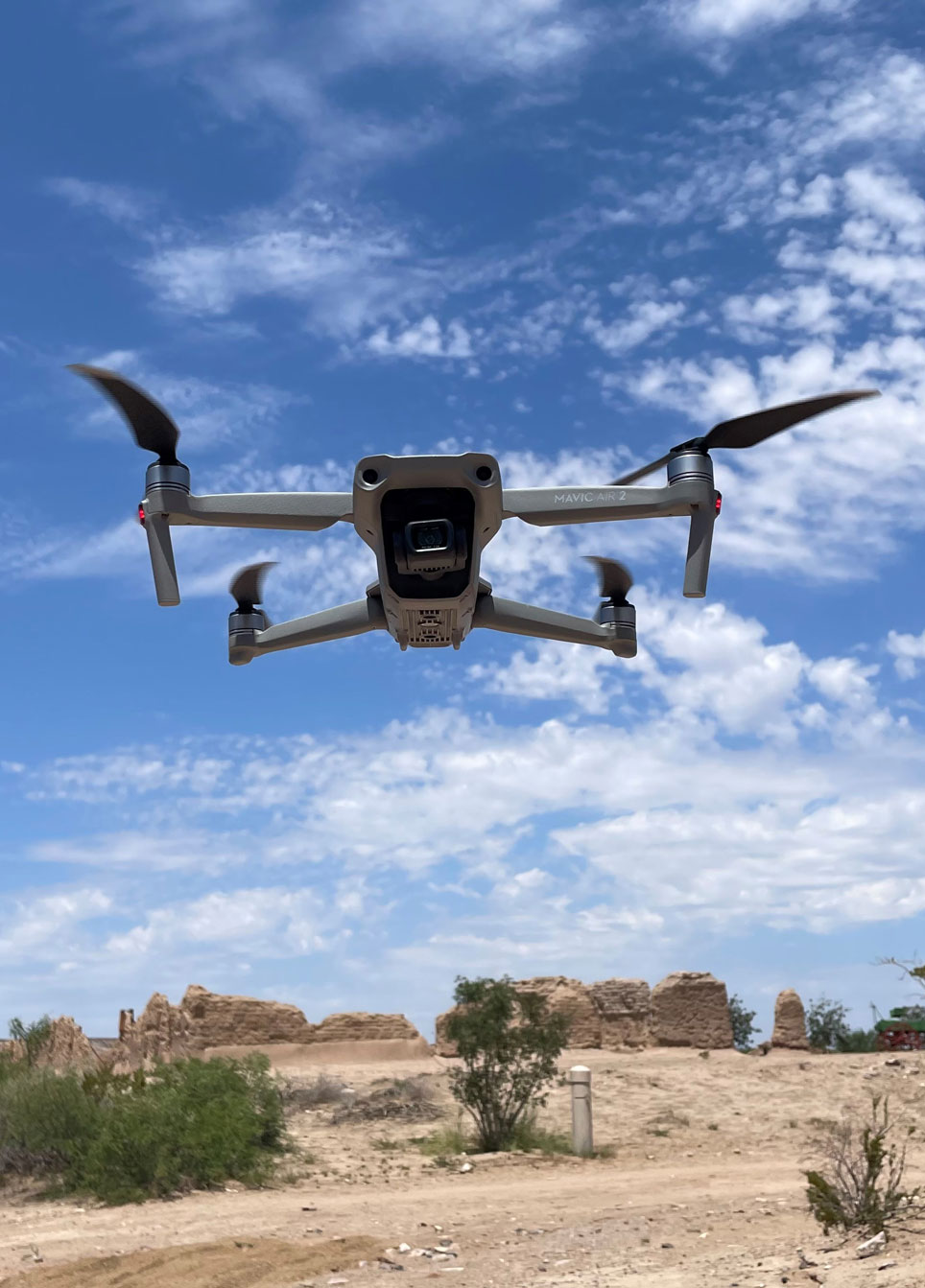
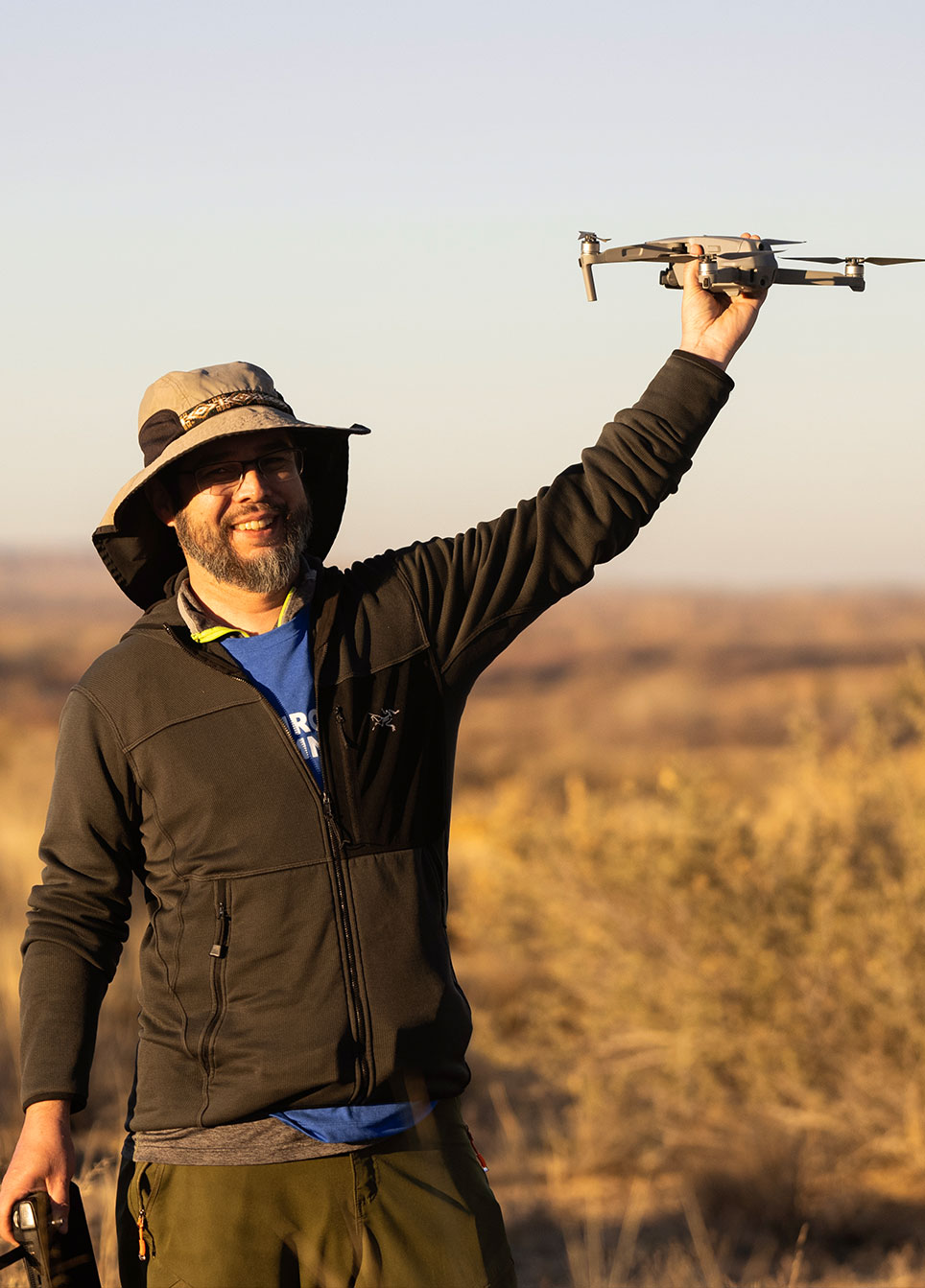
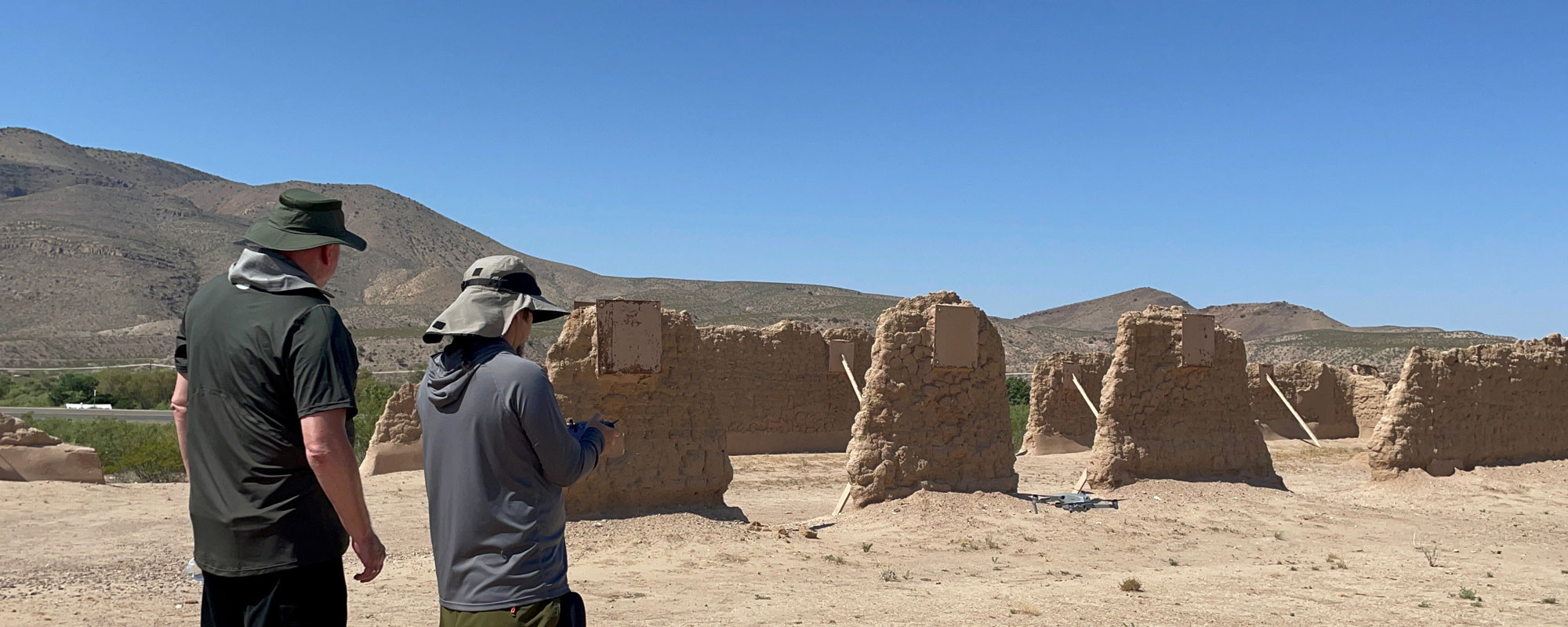
To help tell these stories, Northrop Grumman is collaborating with the New Mexico Humanities Council (NMHC) on the project Cultural Scans for an Interactive 3D Experience (SITEs). Northrop Grumman teams use photogrammetry and LiDAR to create detailed, lifelike models of structures and artifacts that can be used as a resource for cultural groups, for schools, for museums and more, as well as to track erosion and damage over time. This technology enables us to capture sites with minimal disturbance, as some important historical, cultural sites are in areas that are difficult to access or are susceptible to damage with increased traffic and activity. Leveraging technology to take people to a site virtually can protect the site while also providing opportunities for assessing damage and raising awareness of its cultural value.
The Cultural SITEs
The Cultural SITEs team completed scans at two New Mexico Sites—Fort Selden and Sevilleta.