Benefits of International Cooperative Programs for Weapons
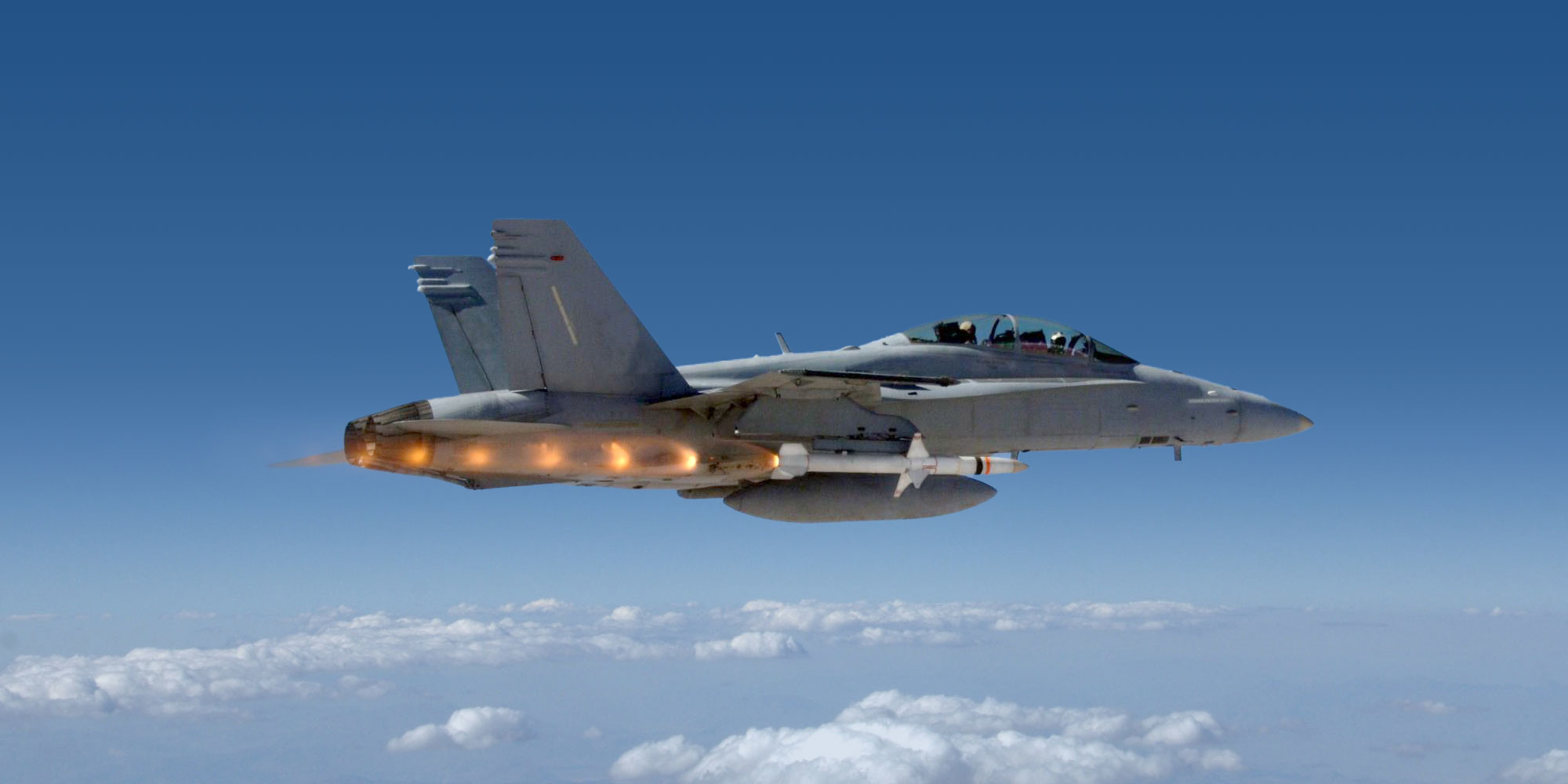
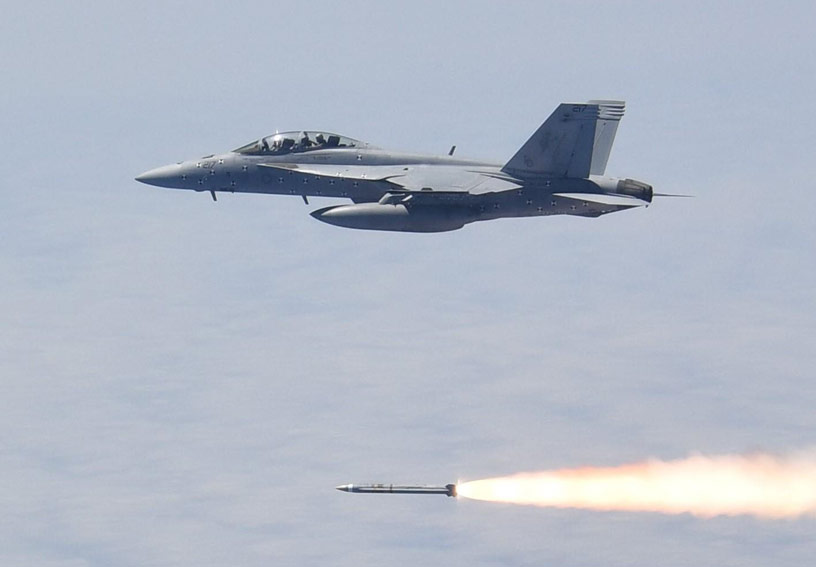
During its development efforts of an advanced guided missile for the U.S. Navy, Northrop Grumman turned to the international community to collaborate with the development and production.
In 2005 the Italian Air Force signed a memorandum of understanding with the United States to cooperatively develop the AGM-88E Advanced Anti-Radiation Guided Missile (AARGM). The U.S. Navy is the executive agent for the program and the Italian Air Force has been a partner throughout. Known as an international cooperative program, such efforts offer a powerful means for both the U.S. government and the international community to get the maximum value out of their investments.
"It's a way to for the American military to tie in much closer with our allies while also having those partner nations share the financial burden around systems development," said Robert McSkimming, international programs manager at Northrop Grumman.
Loading component...
Loading component...
Loading component...
Financial Benefits of an International Partner
There is a financial piece of the puzzle as well. By bringing in an international partner, it's possible for a U.S. contractor to introduce a level of stability and predictability to a military program even amidst uncertain economic times.
International cooperative programs typically operate on a memorandum of understanding as well as other binding legal and contractual documents. "When you have that kind of cooperative agreement, it's much harder for Congress to suddenly shift gears by reducing funding of the program and putting the money toward something else," McSkimming said.
At the same time, the international partner will typically have a significant financial stake in the effort, sometimes upward to tens of millions of dollars. This ensures their ongoing participation and helps military planners know that their own investments will stay on course.
Loading component...
Loading component...
Media Contact
Nancy Stoehr-Campbell
818-887-8471