Hypersonics Breakthroughs Are Boosting Range, Speed and Survivability
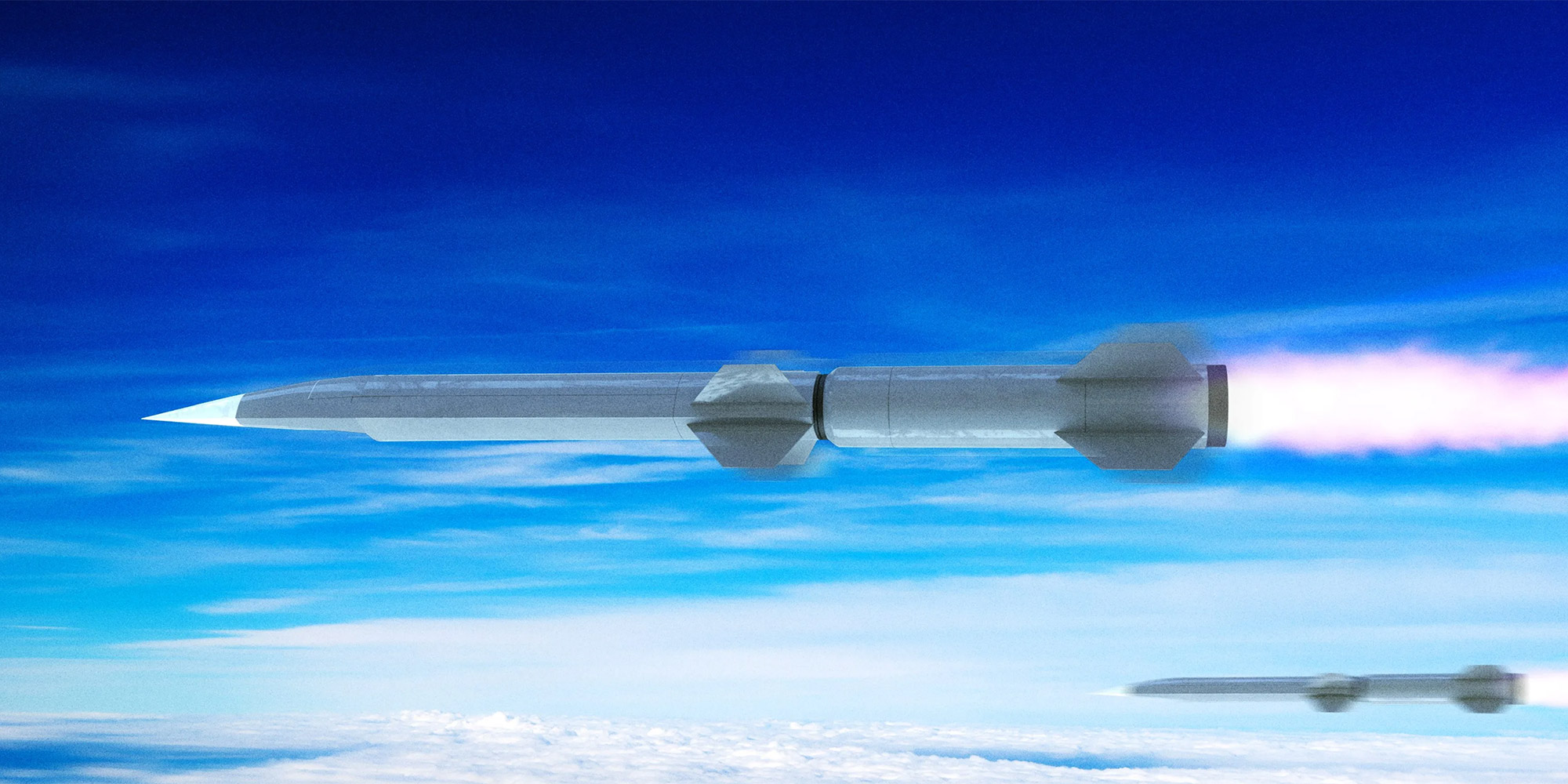
The Bell X-1 rocket, with Maj. Chuck Yeager in the cockpit, got the world talking about supersonic flight when it broke the sound barrier on October 14, 1947. Less than two years later, on February 24, 1949, a U.S. WAC Corporal sounding rocket became the first object of human origin to go hypersonic – more than Mach 5, or five times faster than the speed of sound.
We’ve always felt the need for speed. And, after more than half a century, there continue to be breakthroughs in hypersonic aircraft and missile development.
Hypersonic systems present a complex engineering challenge. They require careful thermal management; there are sophisticated power needs involved; and continuing calls for miniaturization – to get smaller and lighter as well as faster – further complicate the picture.
Loading component...
Pushing Hypersonics Forward
U.S. Department of Defense interest in hypersonics has accelerated as the United States faces developing threats from near-peer competitor nations. To prevail in the battlespace of the future, the U.S. military and allies need systems that are both higher-performing and affordable.
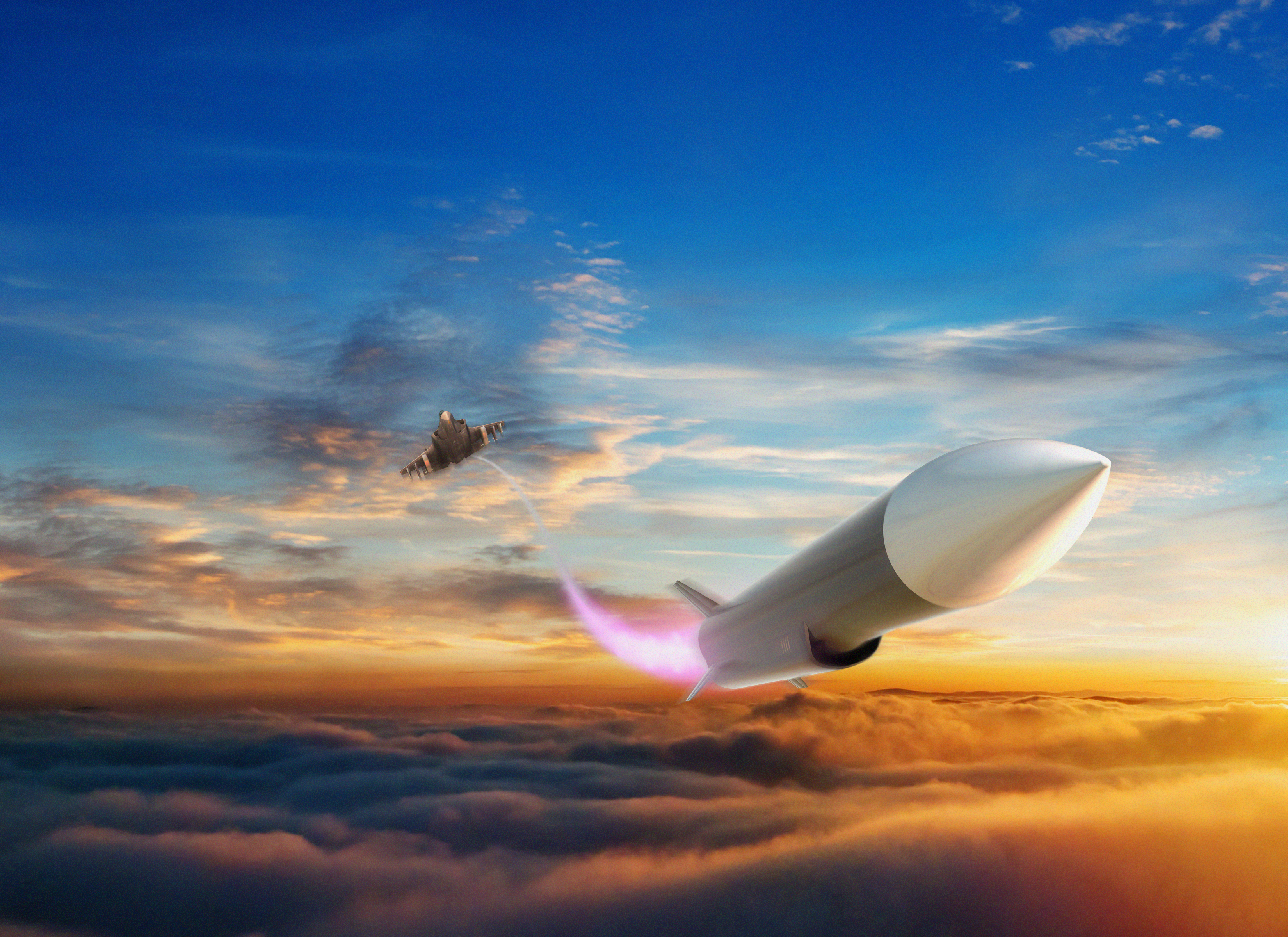
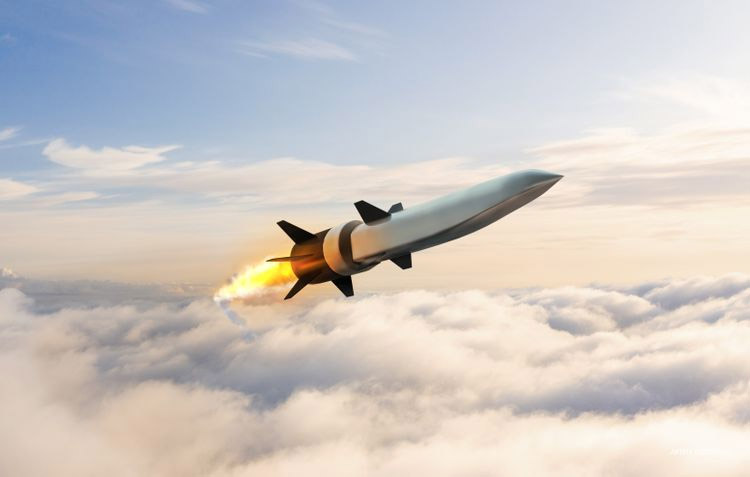
With the latest developments in ramjets, scramjets and advanced solid rocket motors, the fastest missiles in the world are getting even faster and more capable. They're also more flexible, cost effective and survivable than ever. Here are some of the operationally ready technologies driving America's hypersonics resurgence:
Loading component...
Loading component...
Loading component...
Loading component...
Media Contact
Anne Eisele
703-996-6658