How Do You Test Hypersonic Systems?
One Key Test is Time
By Albert McKeon
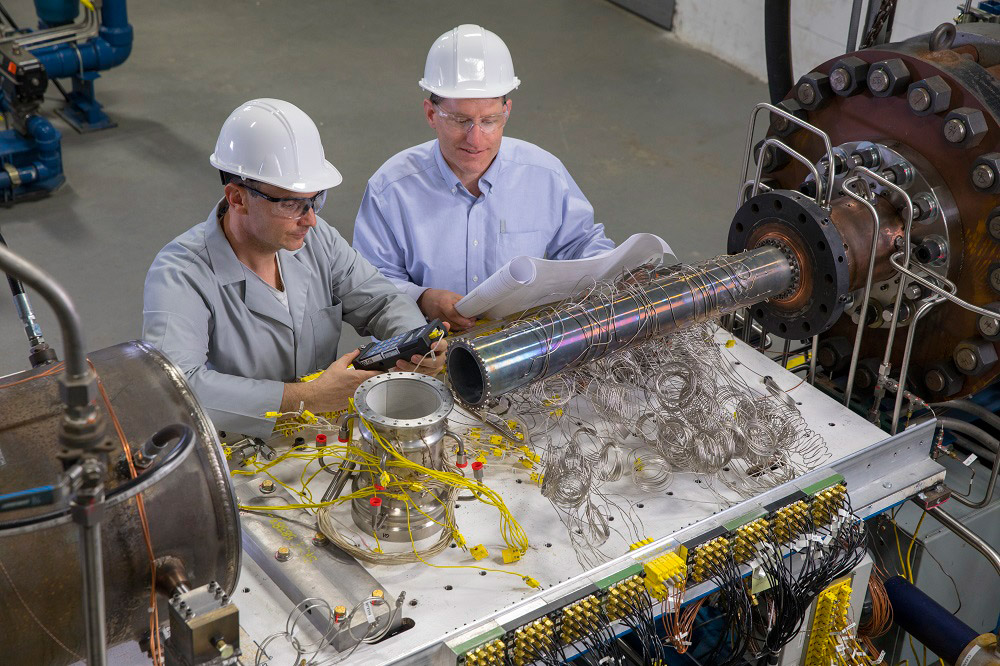
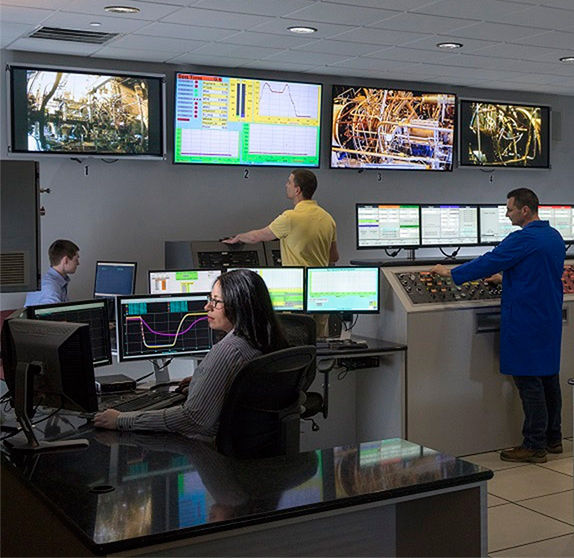
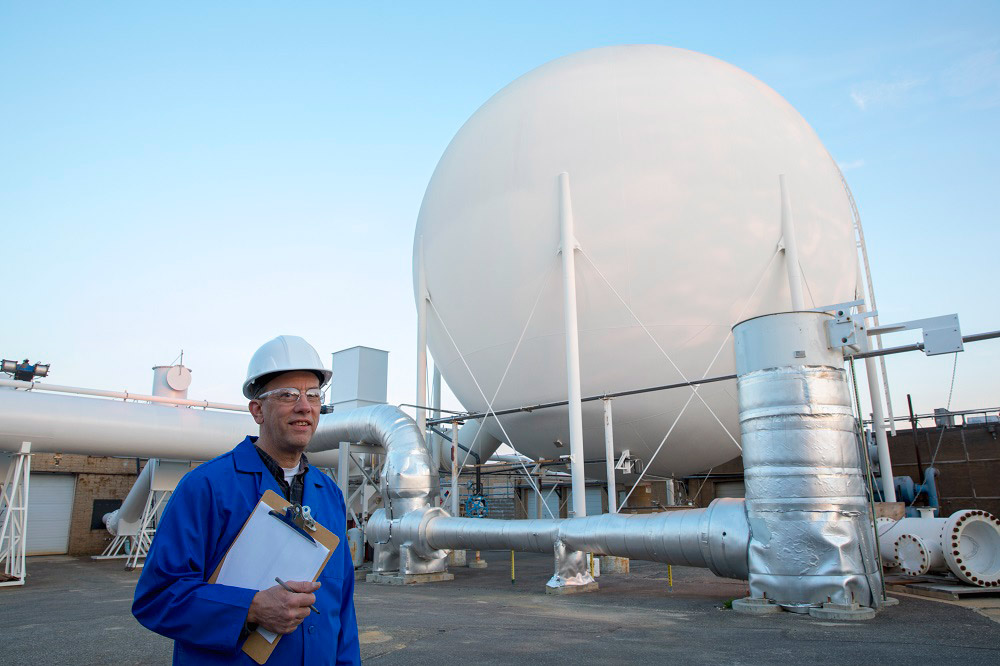
The engineers and technicians of Northrop Grumman's Aerothermal Research and Testing facility recognize the irony of their jobs.
They work slowly, following exacting methodologies and taking painstaking care to properly test hypersonic and supersonic systems and products in environments that mimic high altitudes and pressures. (Supersonic speed is a rate of travel that's faster than the speed of sound, starting at Mach 1. Hypersonic speed is travel at five times or greater than the speed of sound, starting at Mach 5.) If their extremely measured approach doesn't plan for and predict success in early testing stages, then the technology ultimately won't work at real-life high Mach speeds.
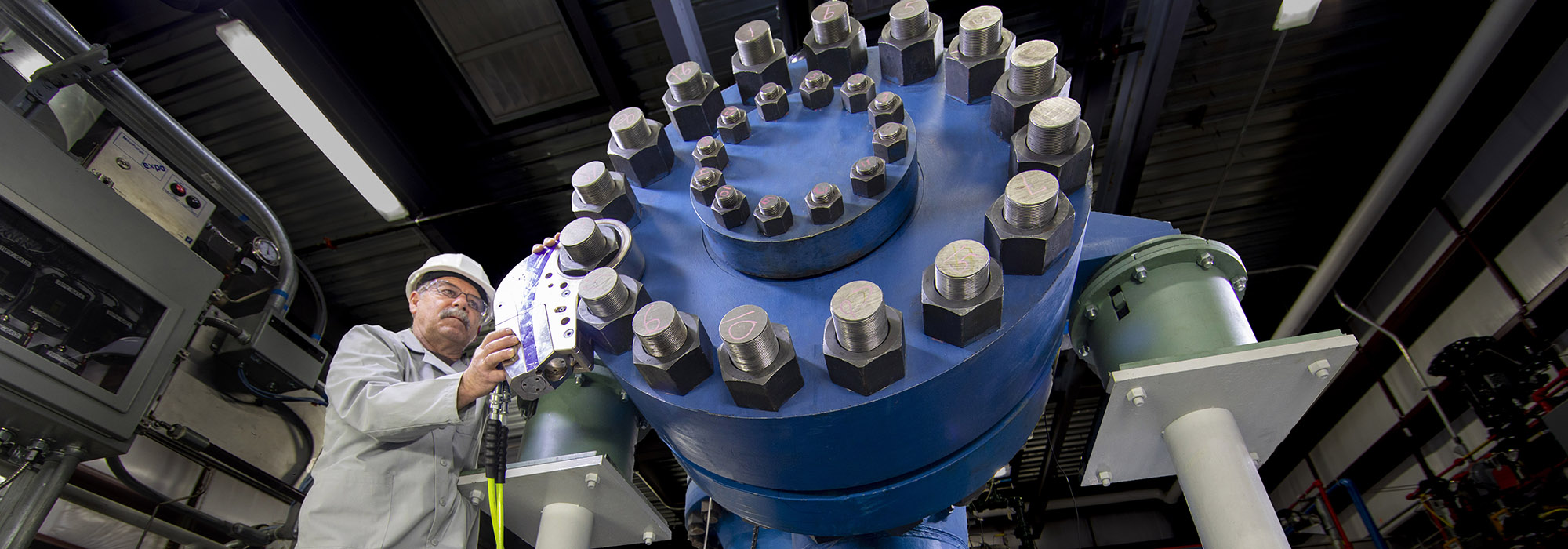
Assessing the performance and durability of engines, missiles, vehicles and other items withstanding stresses of hypersonic speeds indeed takes time. With cutting-edge technology at their disposal — including a new test bed that will simulate conditions of up to Mach 8 for as long as two minutes, a ground test facility that doesn’t exist anywhere else— the Aerothermal Research and Testing employees have seen that precision makes perfection.
"We're dealing with different customers and different materials," said Dean Feola, manager of the technician group at the facility. "These aren't simple, cookie-cutter things."