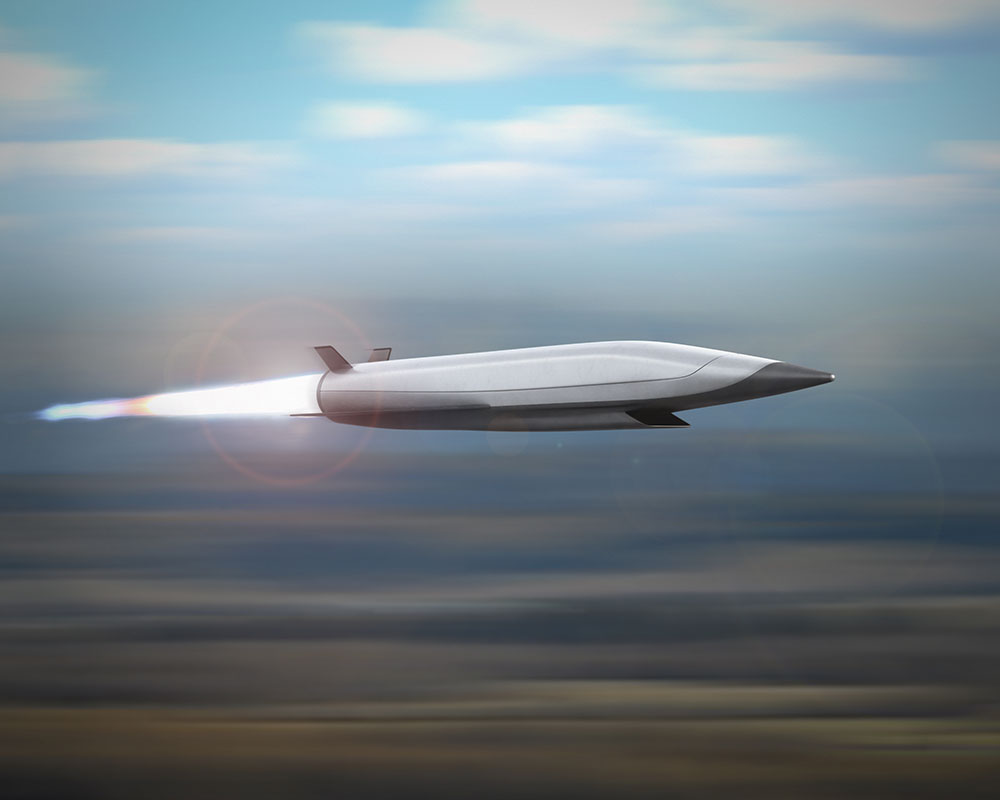
Next-Generation Scramjet Delivers Hypersonic Propulsion That Weighs Less to Pack More Punch
By Kenneth Kesner
Speed and stealth are key in the all-domain battlespace. A hypersonic pace – five or more times the speed of sound – can put a missile on target before enemy defense systems can respond effectively. Having long range hypersonic systems allows pilots to prosecute targets without having to put themselves within range of air defense systems.
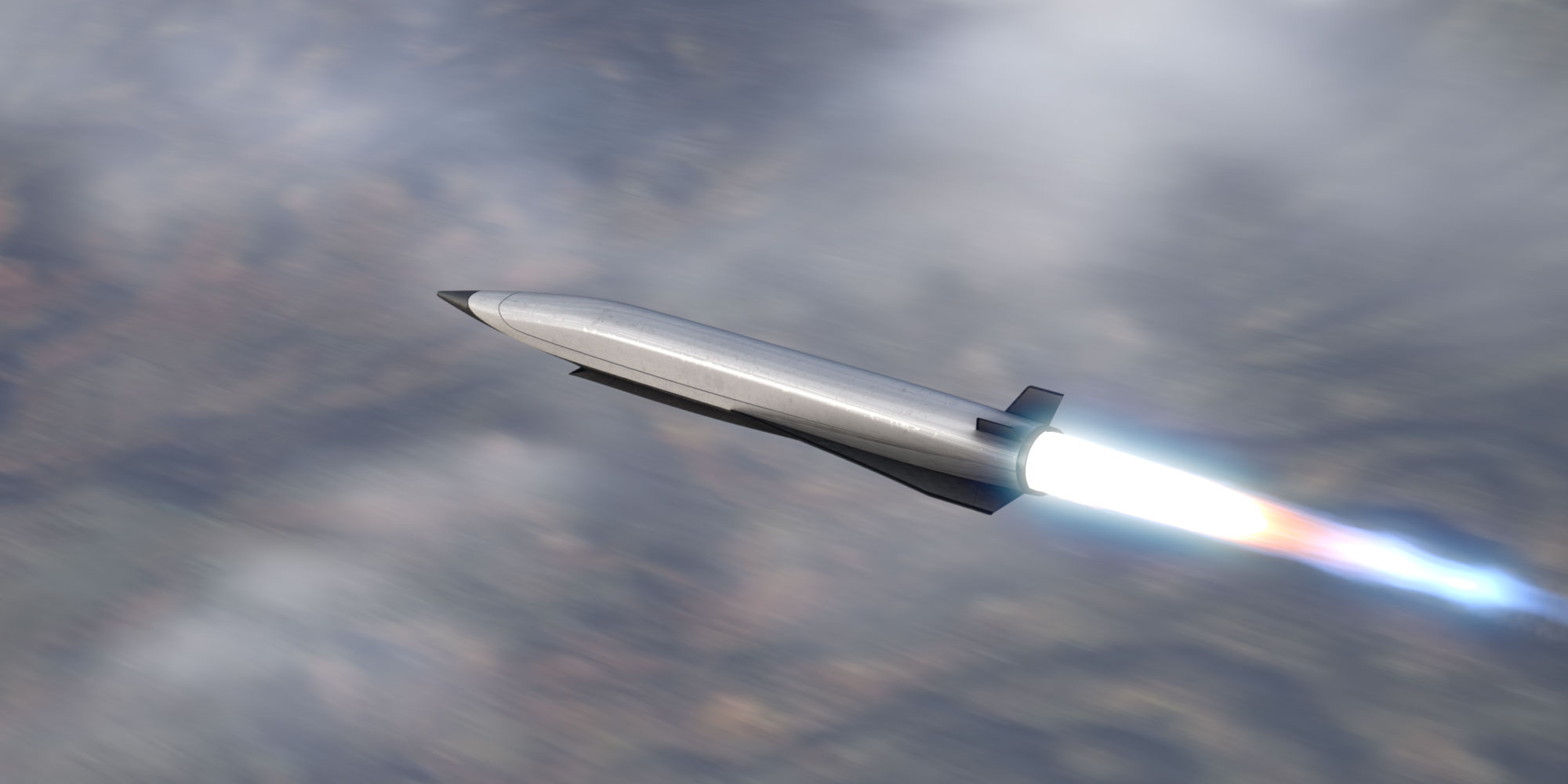
Dependent on the mission need, scramjet propulsion systems are capable of achieving hypersonic speeds in an optimized package for a long range, time-critical strike capability. The need for extended ranges while maintaining magazine depth really plays to the strengths of hypersonic air-breathing propulsion. Air-breathing engines leverage the oxygen in the atmosphere and minimal moving parts to deliver a high speed weapon systems in a tactical form factor. The result is a great number of weapons on the platform which gives our warfighters the flexibility and operational utility they need in a near-peer fight.
Loading component...
Loading component...