A Once-in-a-Generation Evolution
By Presley Price
Recognizing the need to maintain a credible deterrent amidst an evolving global security environment, the U.S. is modernizing each leg of the Nuclear Triad.
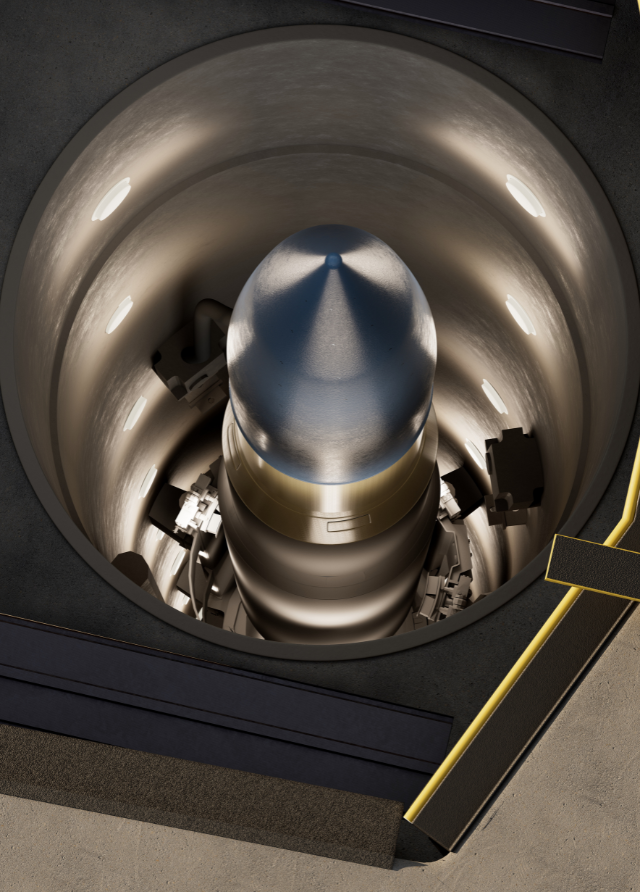
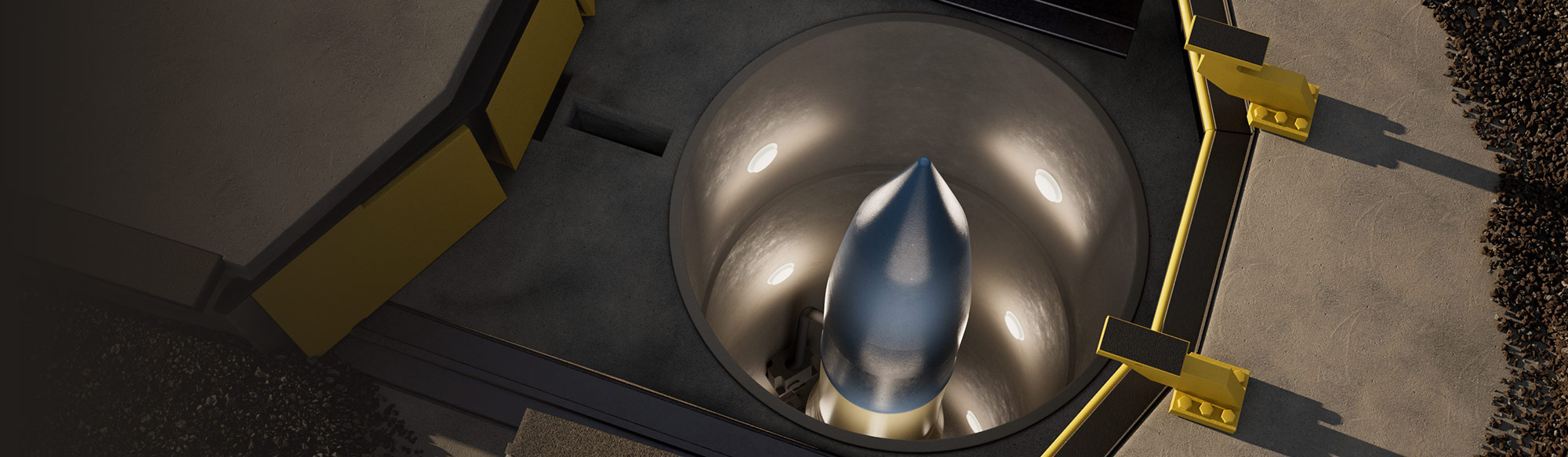
The U.S. Air Force’s Sentinel LGM-35A weapon system is a critical modernization of the ground-based leg of the U.S. Nuclear Triad. Historic in scope and complexity, Sentinel is more than a missile. This once-in-a-generation system evolution includes designing and producing more than 450 new missiles, a vast nuclear command and control network and hundreds of infrastructure projects including hardened silos spread across thousands of miles in five states.
Sentinel is one of the most complex programs the U.S. Air Force has undertaken, and Northrop Grumman is at the forefront of the industry team driving progress to deliver the most technologically advanced intercontinental ballistic missile (ICBM) system to stay on alert through 2075. Significant progress has been made in developing and testing the missile, fortifying the supply chain and maturing the infrastructure design and construction approach.Loading component...
A Generational Leap
Full ICBM modernization hasn’t been tackled in more than 60 years, but Northrop Grumman is known for tackling the nation’s toughest challenges. Working jointly with the Air Force and a nationwide team of suppliers, the company is investing in the industrial base, maturing the design and reducing risk on the path to make Sentinel a reality.
Once fielded, Sentinel will bring game changing capabilities including improved range, accuracy, resiliency and flexibility. Sentinel is a modular system that can be adapted and move at the pace of technology to stay ahead of the threat. Grounded in digital engineering, Northrop Grumman is transforming the way the system is being designed and produced. The result: enhanced performance, faster, more accurate decision-making for the warfighter and enduring deterrence that will protect generations to come.