Future Vertical Lift
By Albert McKeon
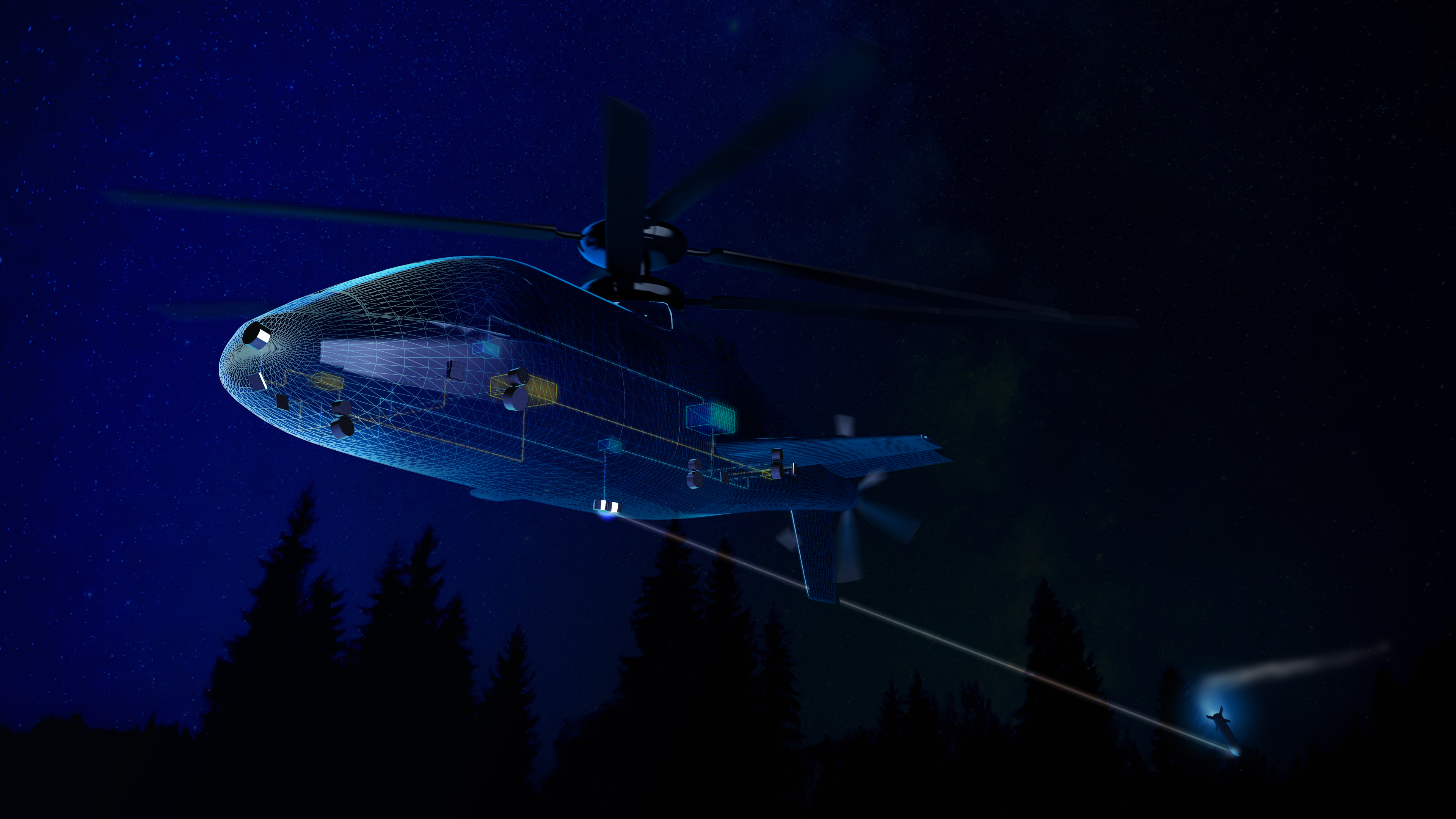
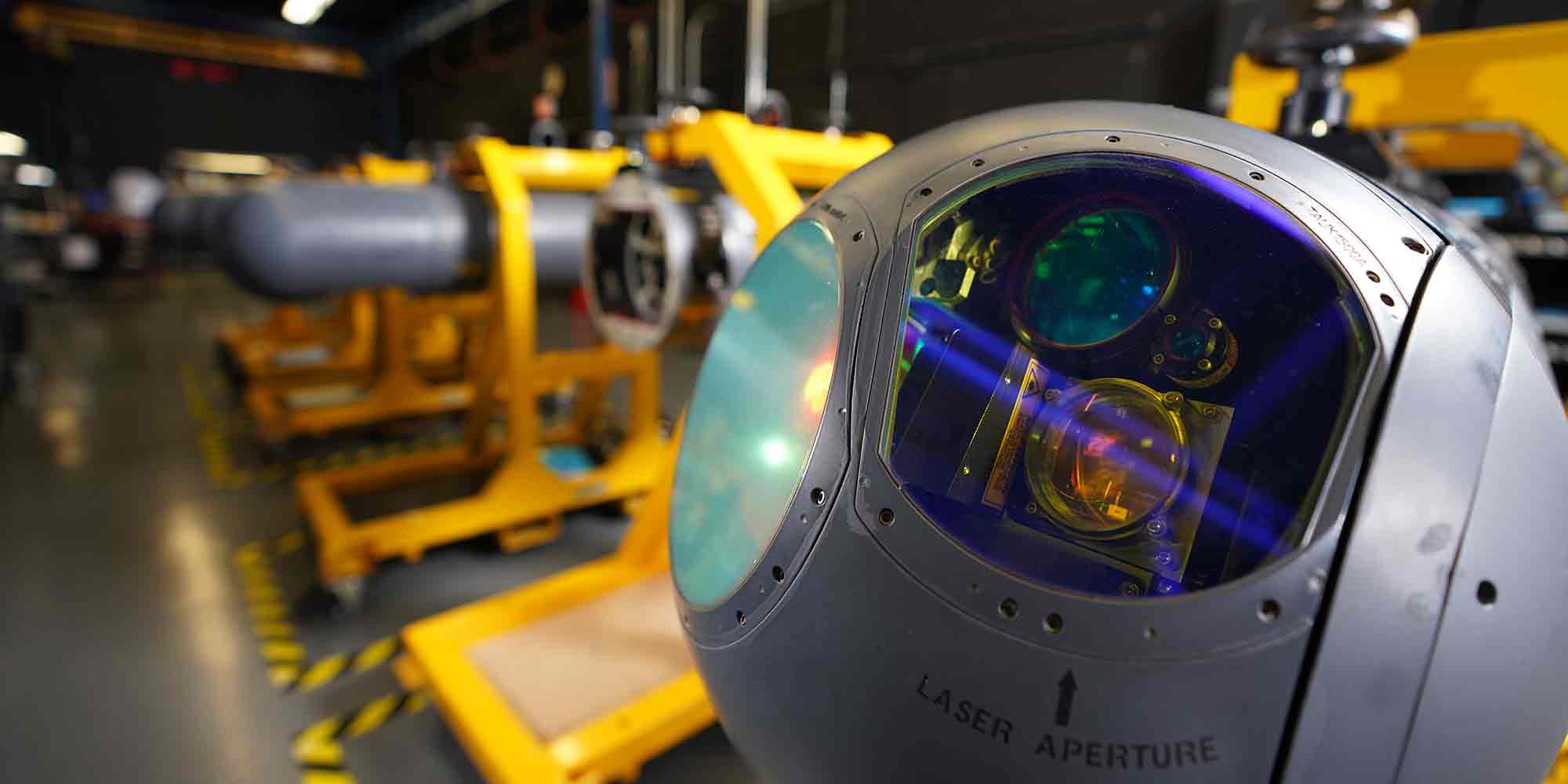
Does a military helicopter have to be the sum of its many disparate parts — blades, tail rotors, navigational equipment, sensors, a fuel system, landing gear and more? The current list of individual components is nearly as long as the heights these vehicles ascend.
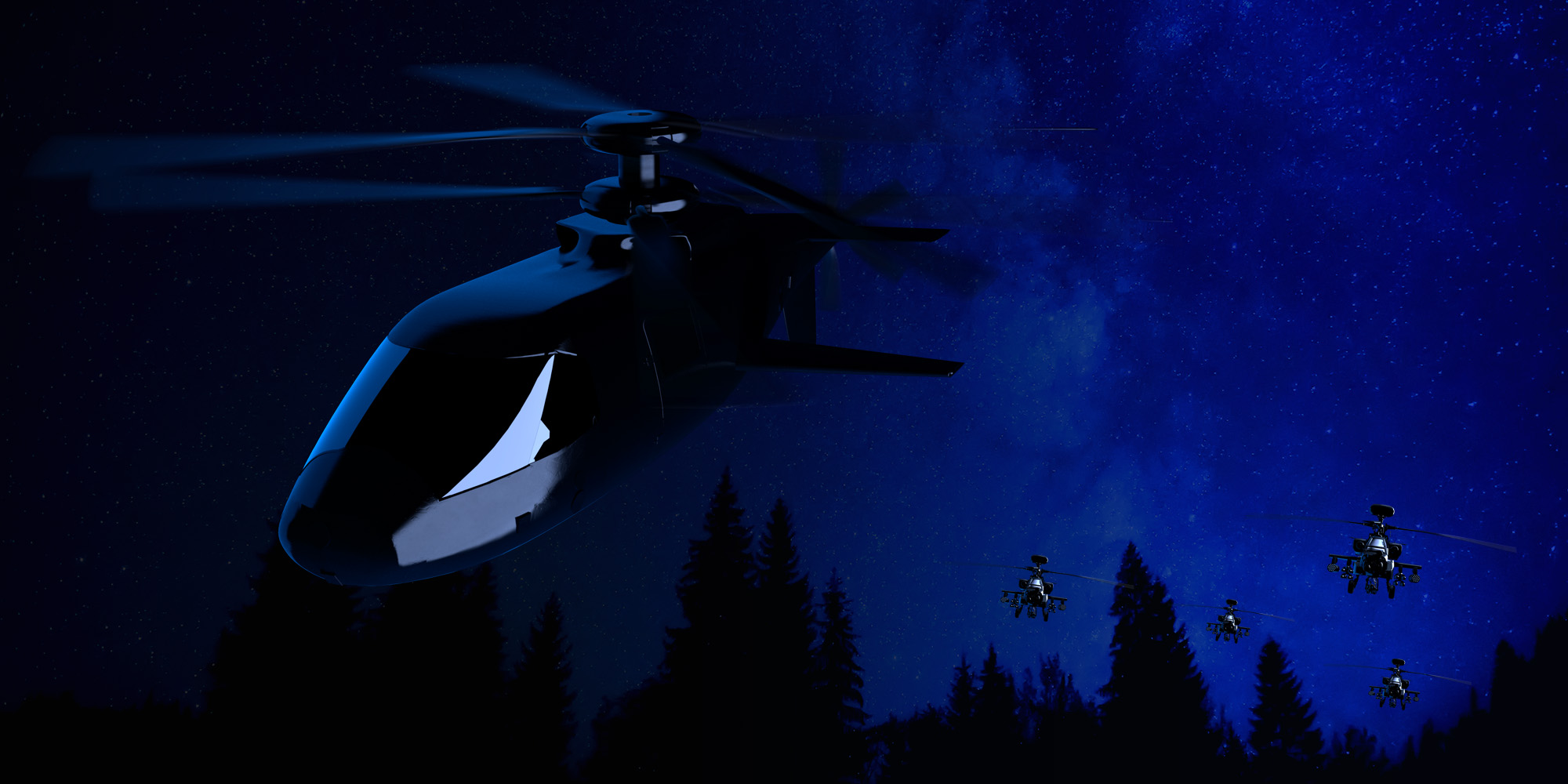
But as national defense and the technology behind it change at a rapid pace, it's become clear that a military aircraft must be a cohesive product. Wanting to stay ahead of that curve, the Army is modernizing and streamlining the production of its helicopters and making them more responsive to changes on the battlefield.
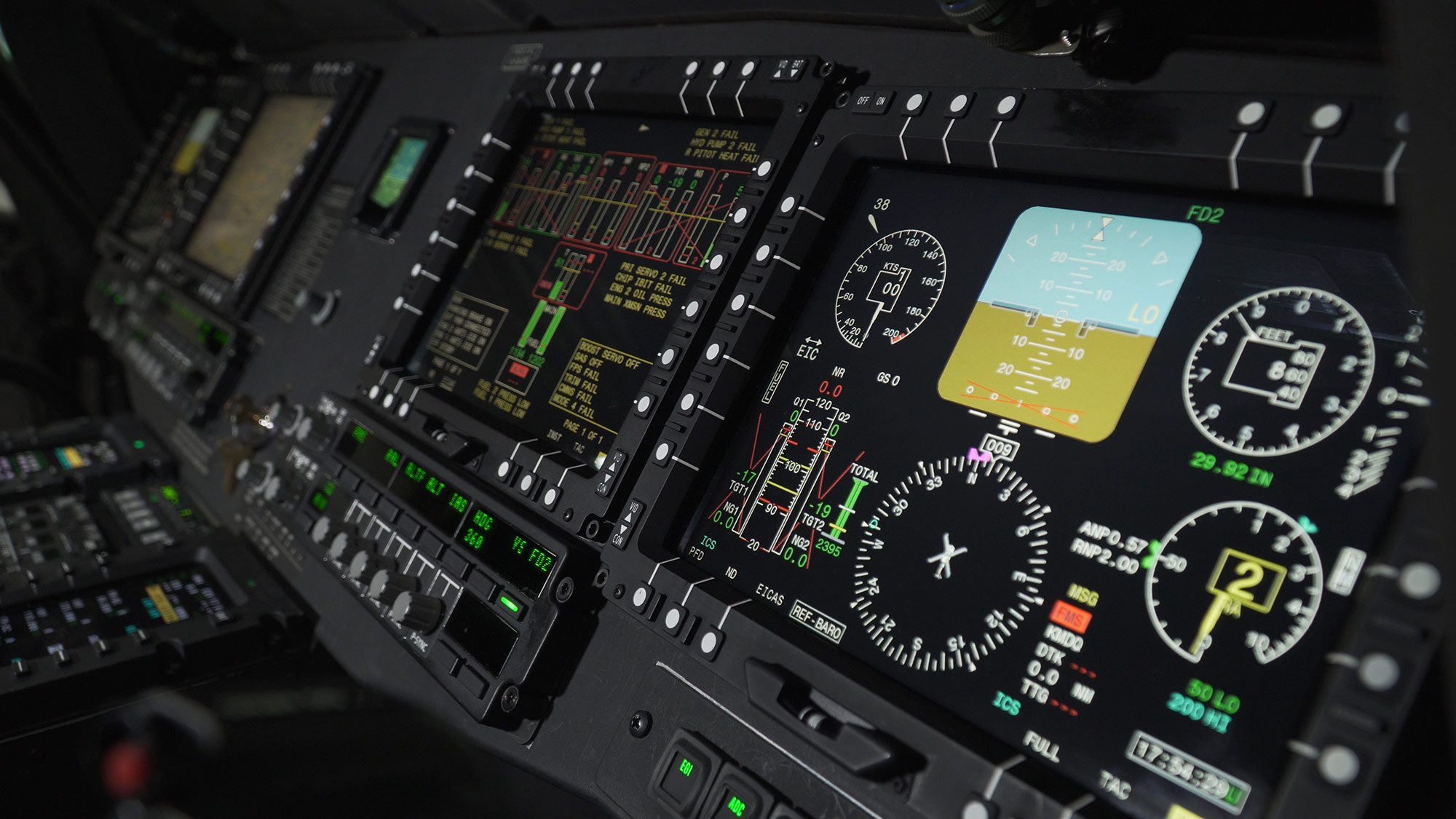
With Future Vertical Lift (FVL), a fittingly named Defense Department initiative, the Army aims to create a digital backbone for rotorcraft so that the avionics and self-protection systems of helicopters work in an integrated manner. This integration will allow for rapid upgrades as the operational environment and technology changes. Supporting this generational change, Northrop Grumman, in partnership with the Army, has established a new paradigm for vertical lift mission system agility and relevance.
"These systems are not Lego blocks," said Jim Conroy, vice president of navigation, targeting and survivability at Northrop Grumman. "They're very complicated pieces that must interlock, and interfaces need to interact with one another."