Hidden in Daylight
One stands out. It happened in September 2010 in Afghanistan, during Grebs' first deployment to the country. He and another pilot were patrolling the air over the Helmand River valley in support of about a dozen Marine troops below. From thousands of feet up, in the A-10, Grebs watched the sun begin to set. The Taliban grew poppy flowers there, a source of opium that they turned into heroin to fund insurgents. Because American troops and their allies were trying to clear out the poppies, the area had become a battleground, said Grebs. A college friend of his had died in combat there six months ago, almost exactly where the Marines were operating that day.
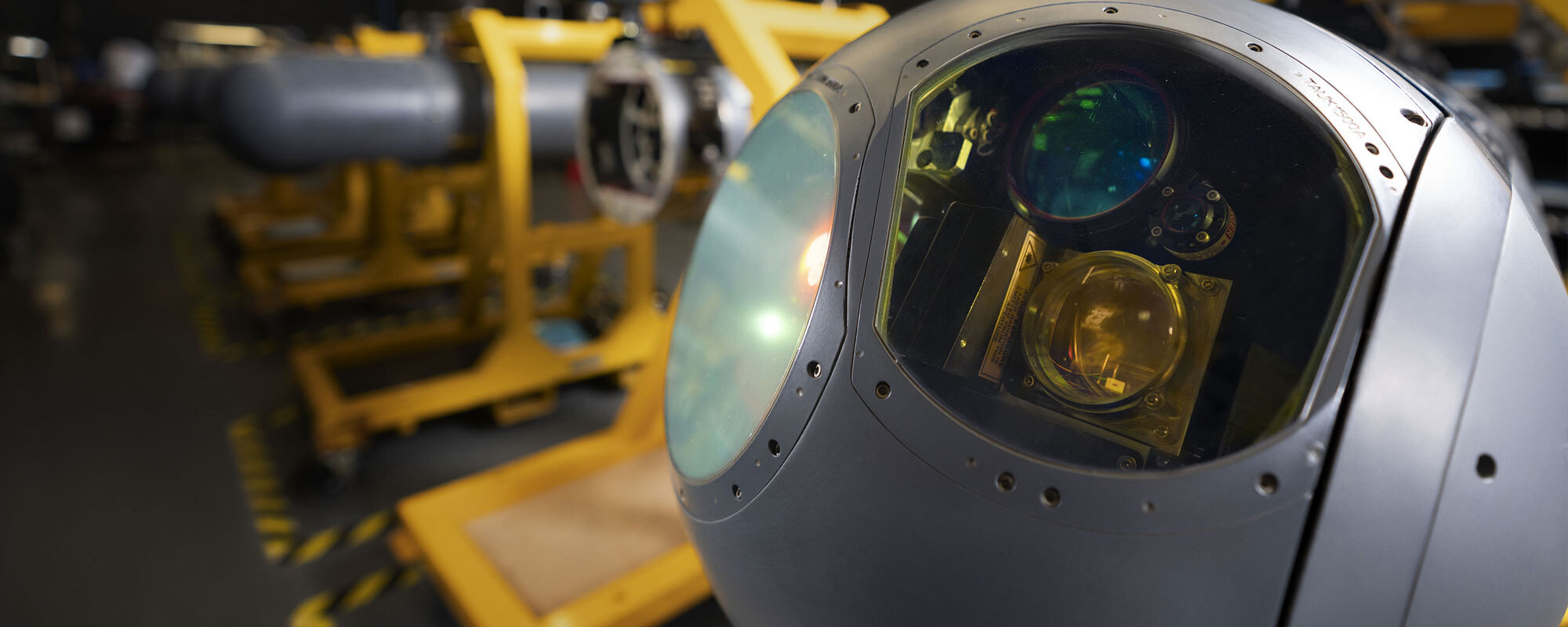
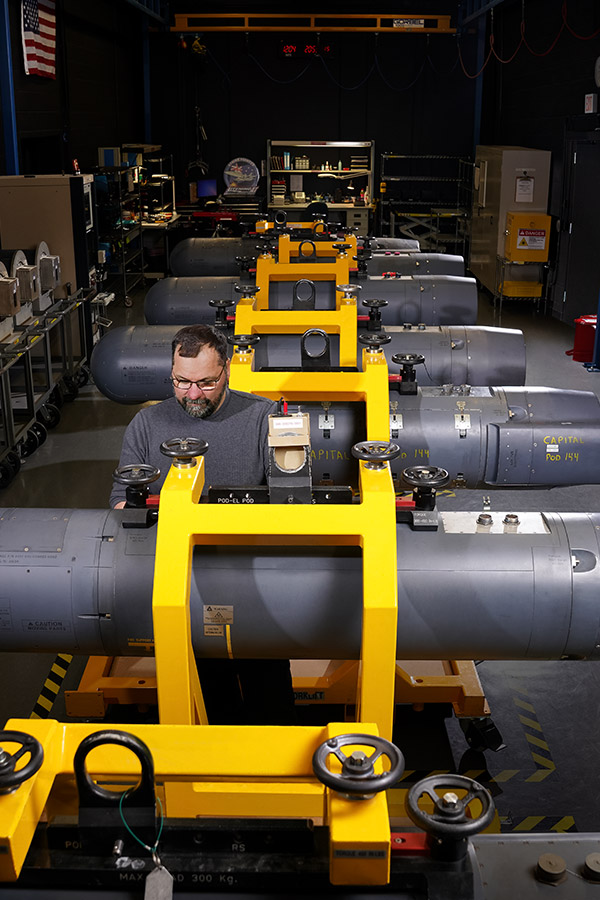
From the cockpit window, he could see the sensors mounted under the right wing, housed inside the pod. From a gimbal he controlled from the cockpit, Grebs tilted the sensors left to right and up and down. He was using them to get a better view of the ground. According to radio communications with the Marine troops, enemy combatants were in the area, but American and allied forces didn't know where. It was still light outside and so Grebs was using the EO camera, moving between a narrow field of view with higher fidelity and a wider field with less fidelity.
Suddenly the Marines radioed to say they were taking fire. Grebs could hear the gunfire in the background and quickly it became apparent that the Taliban were just 100 yards away from the ground troops. Grebs and the other pilot tried to pinpoint the location of enemy fire. The pilots flew multiple low passes, down to 100 feet in altitude to draw fire, without success. "We couldn't see them. We couldn't find them. They were entrenched like ticks on a dog," said Grebs.
Although it was still light outside, he switched to the infrared sensors, zooming in and out. "I started picking up hot spots. Those hot spots were people," he said. The Taliban were located just on the other side of a canal from the Marines. Grebs relayed the location to the ground troops so that they could concentrate their firepower. In the meantime, he and the other pilot prepared their weapons. They made two runs over the location, expending their guns and de-escalating the situation. Grebs said the entire event lasted three or four minutes. "Without a pod, that could have been a 15- to 20-minute scenario with American lives lost," he said.