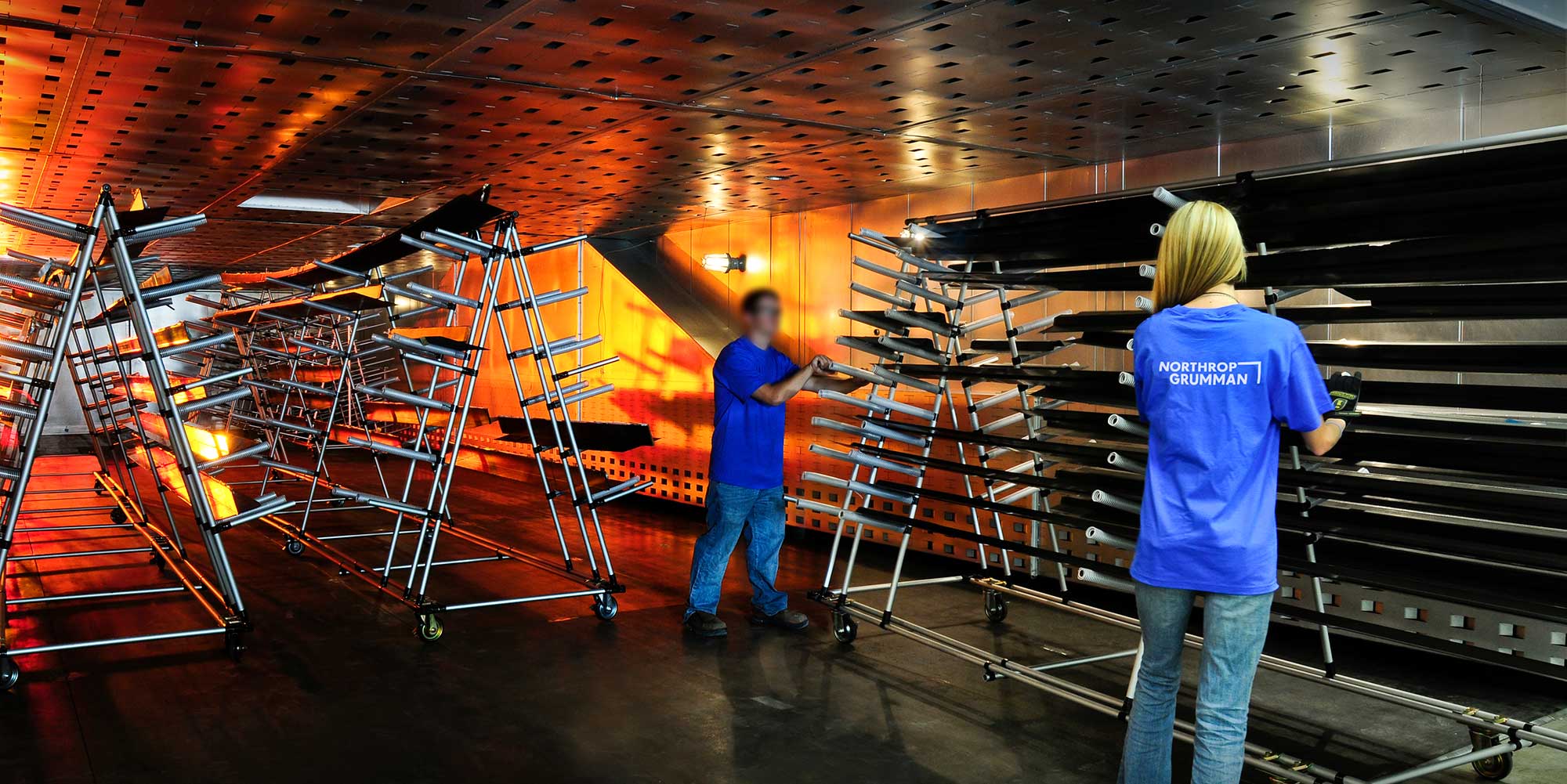
Advances in composite technology are helping the aerospace industry prepare for increased pressure to get new aircraft out the door and into the skies.
Making Super-Small Microelectronics with Superpowers
Loading component...
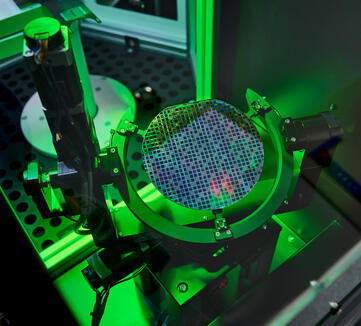
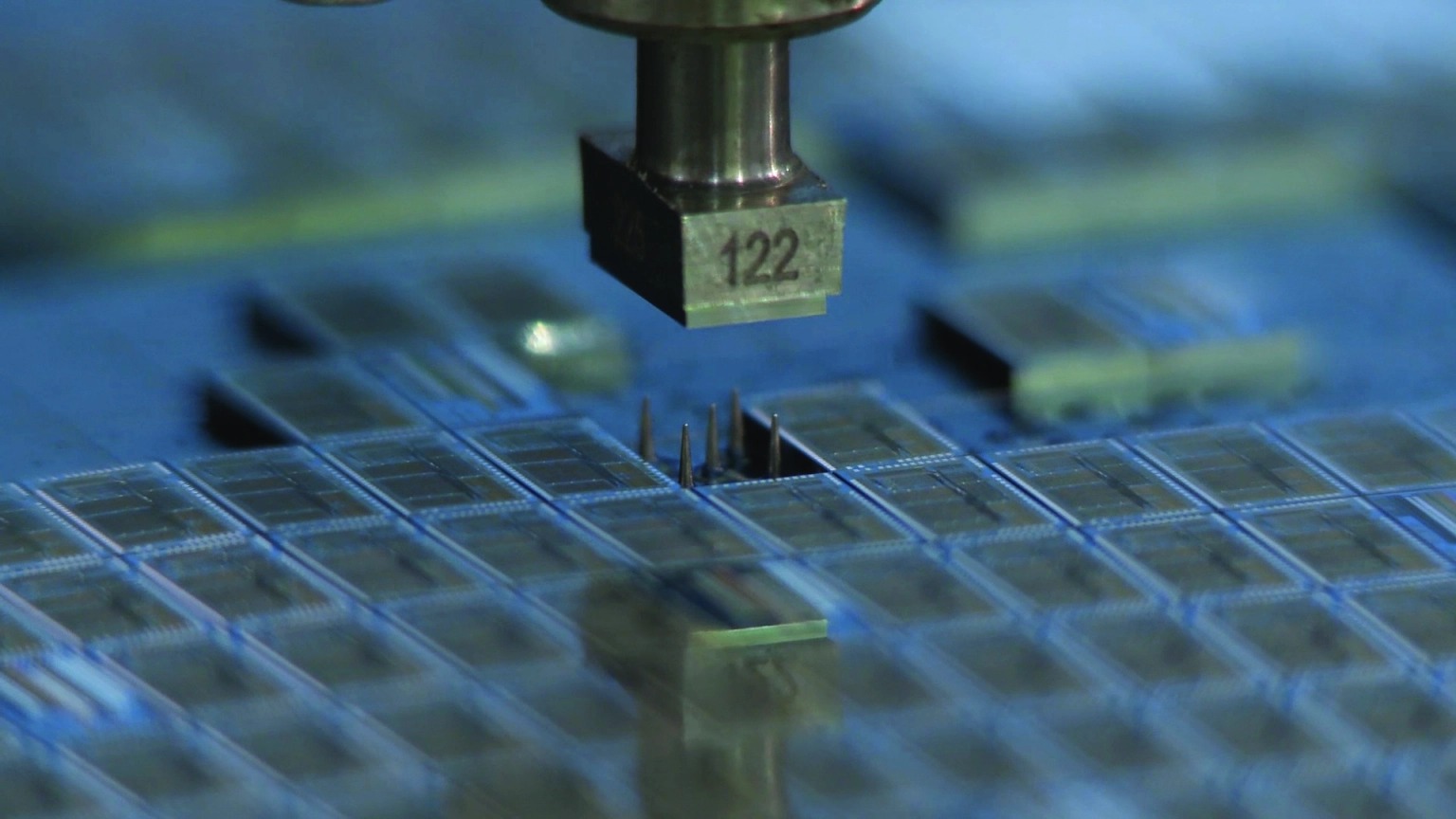
Hicks manages Northrop Grumman’s Advanced Technology Laboratory (ATL) a semiconductor foundry and test site in Linthicum Heights, Md. that provides mission-critical parts to the Department of Defense (DoD) and other U.S. Government agencies. In some defense programs, the unique environments in which microelectronics must survive drive exacting requirements such as high power, different frequencies or ability to withstand radiation from space. These are monumental requirements that must be resolved on the atomic level.
Even with the vast range of commercial microelectronics providers, there are some applications so unique to the defense industry’s needs that raw innovation is required. As a pioneer in microelectronics, Northrop Grumman supports hundreds of government programs and delivers millions of chips annually.
"When the commercial semiconductor industry, for whatever reason, business or technical, chooses not to provide a solution, the ATL’s semiconductor fab, test and assembly facilities step in and ensure that we can do what our warfighter needs," Hicks says.
Loading component...
Loading component...
Loading component...
Loading component...
Semiconductor Innovation is a People-Focused Culture Driven by Creativity:
Ultimately, the best assets are the people who solve the problems. Hicks' team includes experts in a variety of STEM fields, including physicists, mathematicians, electrical engineers, mechanical engineers, industrial engineers, chemists, material scientists and business analysts.