The Beginning of Beyond
Artemis Rocket Testing Helps Propel the Next Giant Leap in Space Travel
By Brooks McKinney, APR
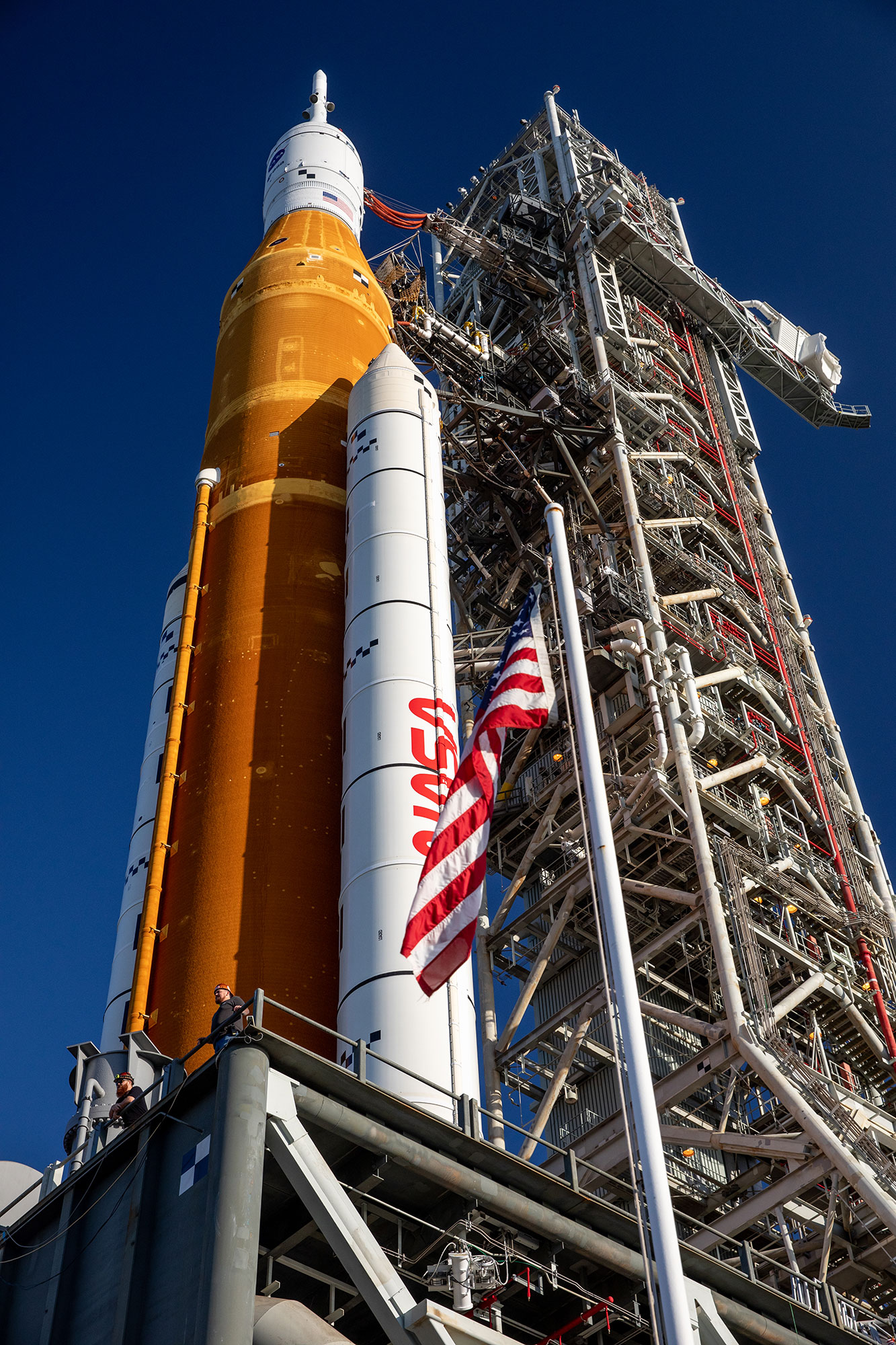
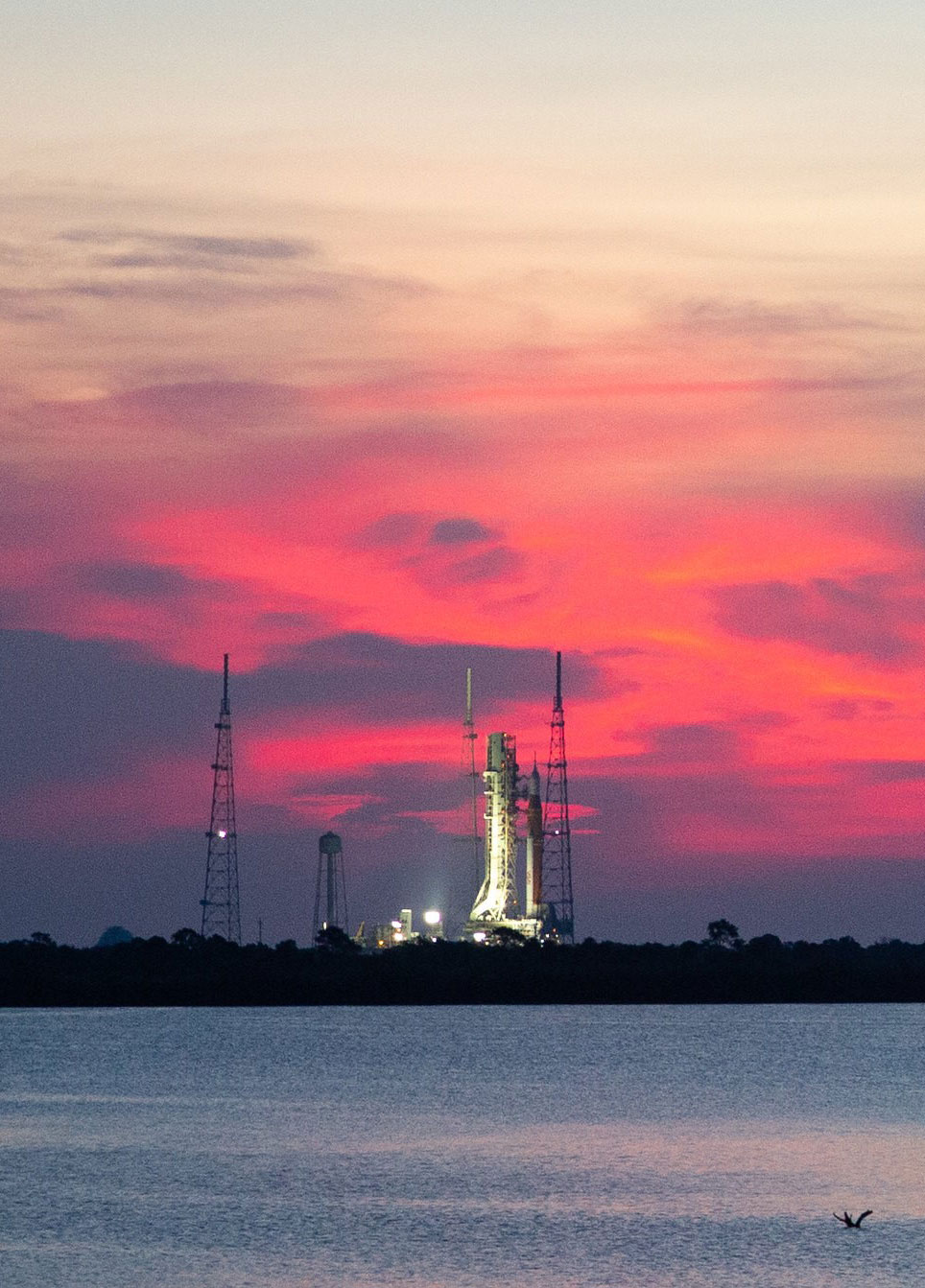
An uncrewed version of NASA’s new heavy-lift Space Launch System (SLS) will be the first of several Artemis missions that will break boundaries and set records, returning us to the moon and ultimately preparing us for unprecedented exploration of deep space.
The SLS is the most powerful rocket ever built, with 8.8 million pounds of thrust, and is largely made possible by Northrop Grumman’s solid rocket boosters (SRBs). The five-segment SRBs will provide 75% of the thrust required to lift SLS off the launch pad and ultimately carry astronauts farther into space than ever before.
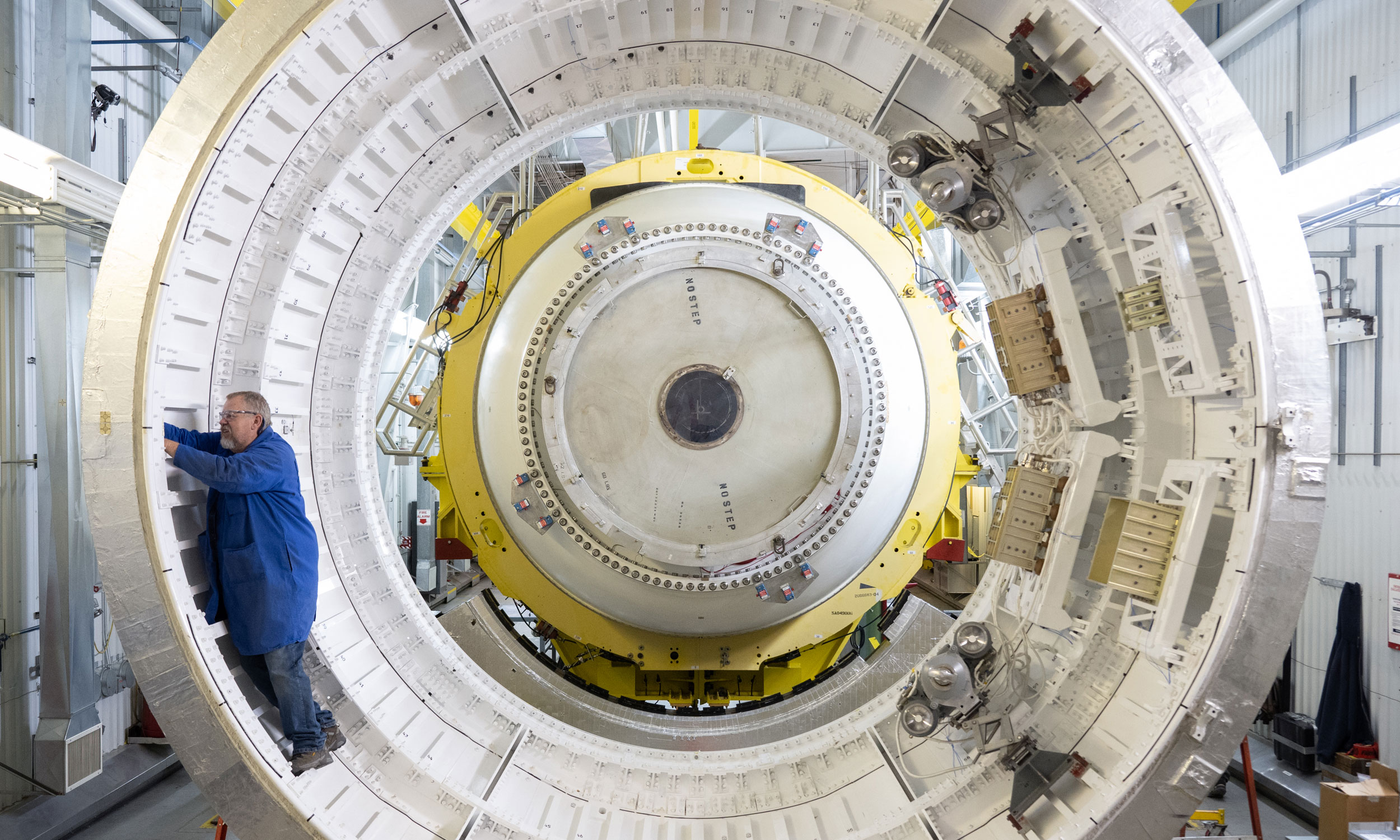
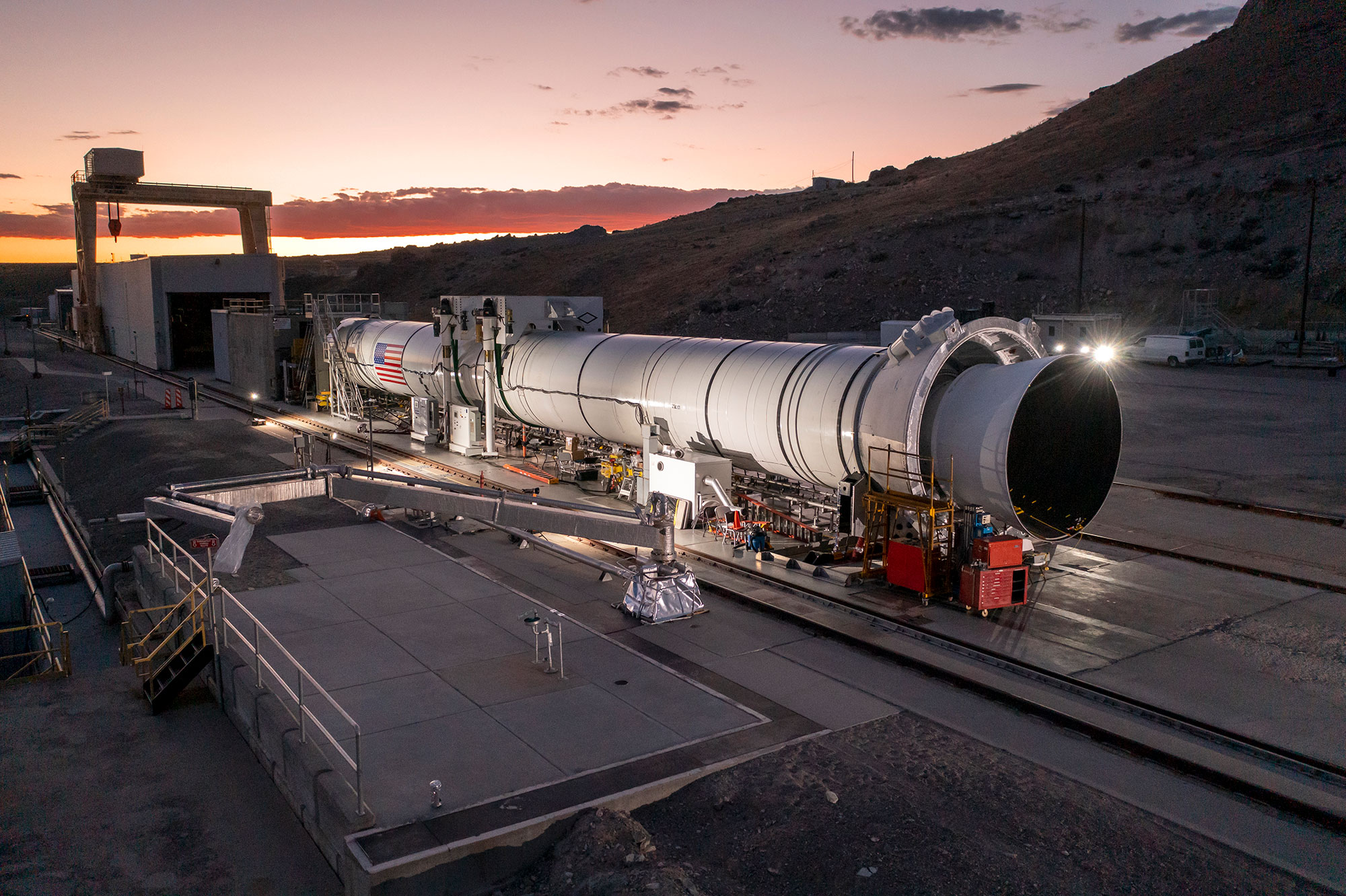
All of that power requires special attention to safety and performance. Building these massive boosters is a challenge unto itself, and testing them means integrating a host of cutting-edge techniques that borrow from the emerging field of civilian space.
Re-Boosting Space Exploration
A solid rocket booster is a large, solid propellant motor capable of providing incredible amounts of thrust with a relatively simple design. They can stand almost 150 feet high and weigh more than 1 million pounds.
Each new SRB is actually a remodeled, refurbished rocket that began life as a four-segment SRB produced by Northrop Grumman for NASA's space shuttle program. Paul Karner, Northrop Grumman's senior program manager for SRBs' avionics and controls explained that many commercial rocket companies are now using reusable rockets to reduce the cost of access to space. The Northrop Grumman team is using a similar strategy to support the Artemis program.
With that approach, the team does rigorous and complete testing of the SRB in multiple stages up until launch.
"It takes us about 18 weeks to mate the five segments into an SRB," explained Mahmood Akhavan, a solid rocket motor testing specialist for the company's Propulsion Systems Business Unit in Promontory, Utah. "The process culminates with a full-scale static test of each fully assembled SRB on a horizontal test stand."