Digital Engineering Triumph
The MEV Revitalizes Satellites in Space
By: Albert McKeon
As headlines announce exciting expeditions into space — a new rover's exploration of Mars and return trips to the Moon — an important digital engineering endeavor is happening at the edge of Earth's atmosphere.
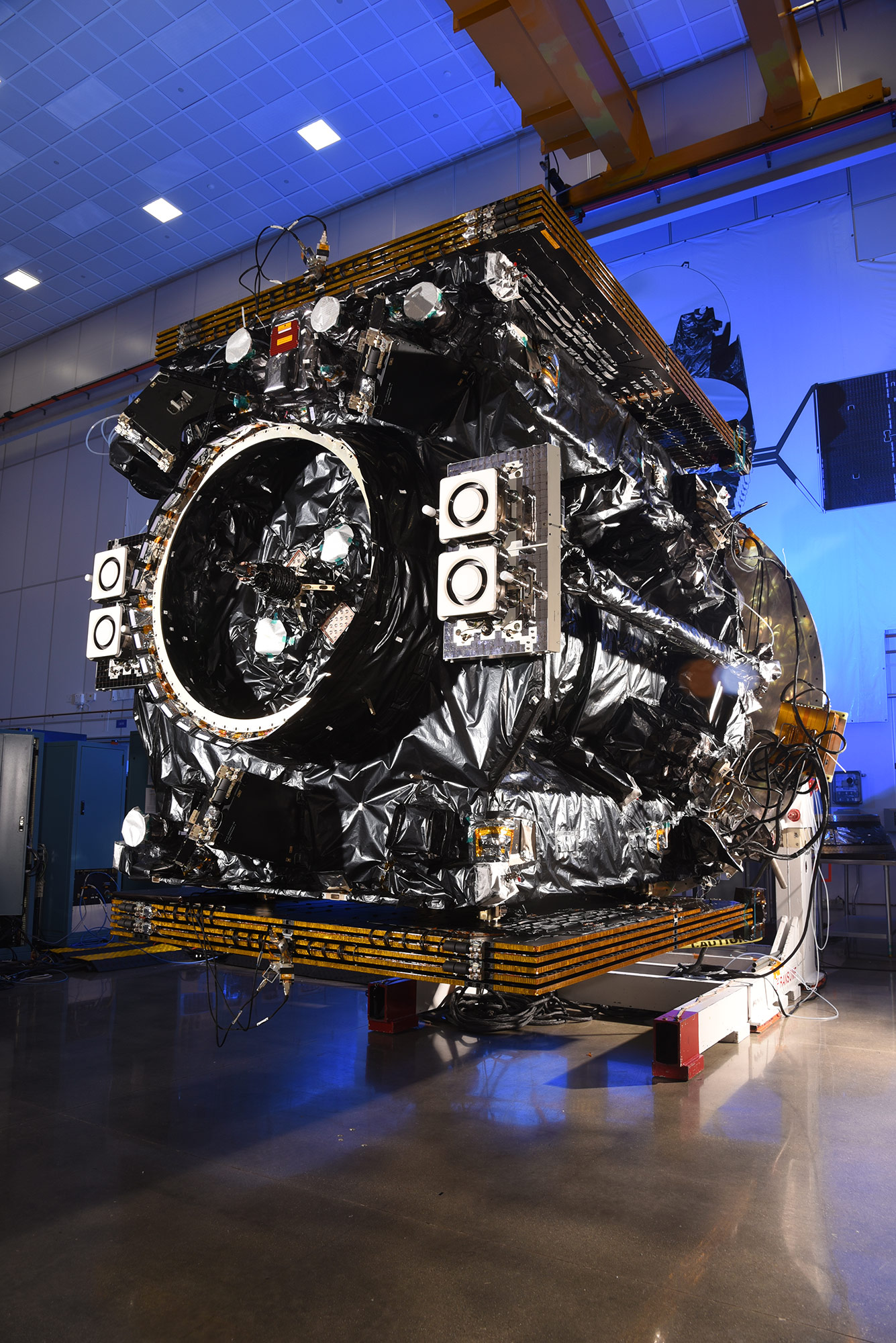
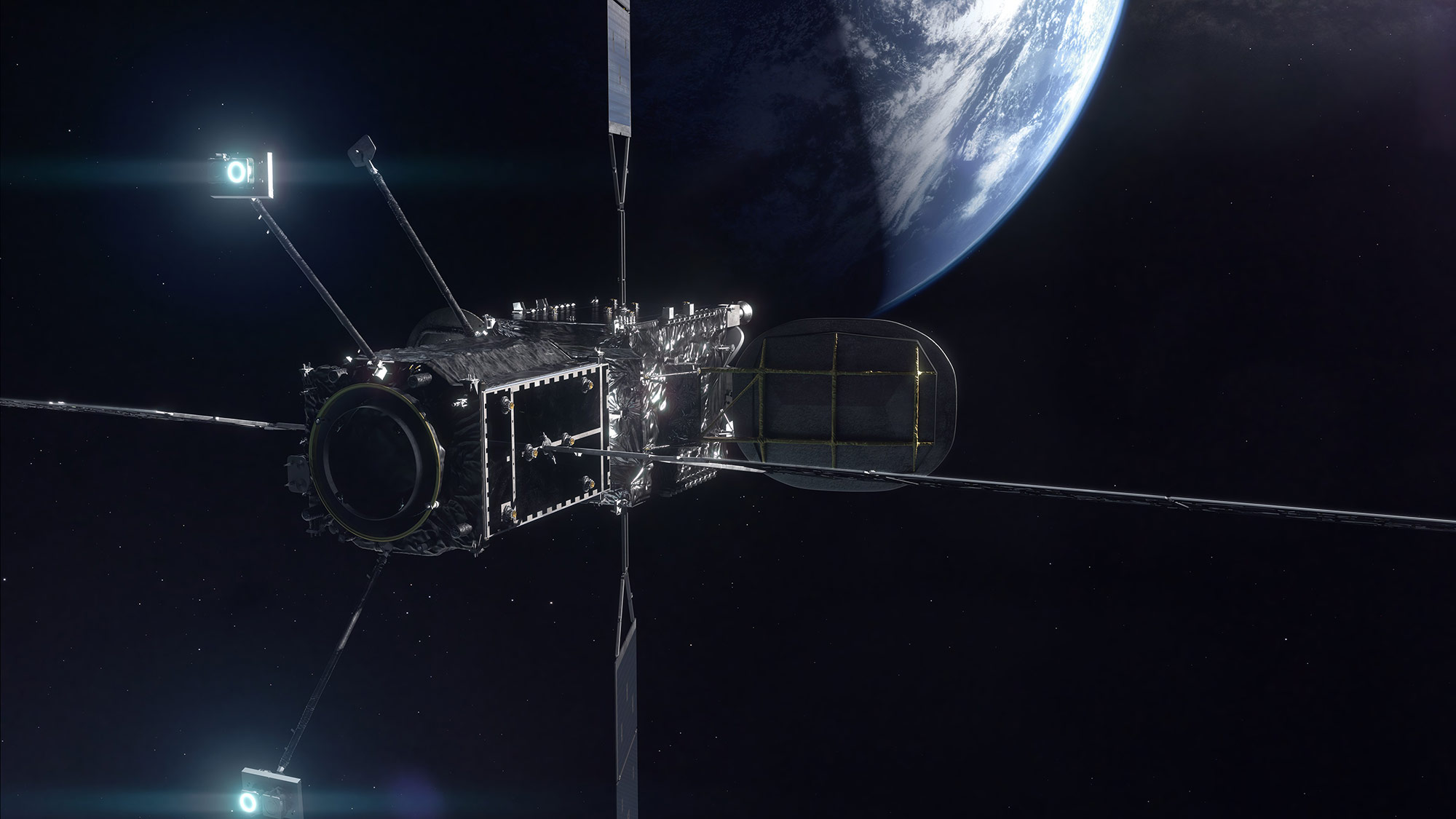
Northrop Grumman is pioneering the field of satellite services, creating a line of industrious spacecraft that refuel and repair satellites and allow telecommunications companies, militaries and other businesses to prolong the life of their expensive space technology. The company established a new strategic venture called SpaceLogistics LLC as the exclusive distributor of these products and services.
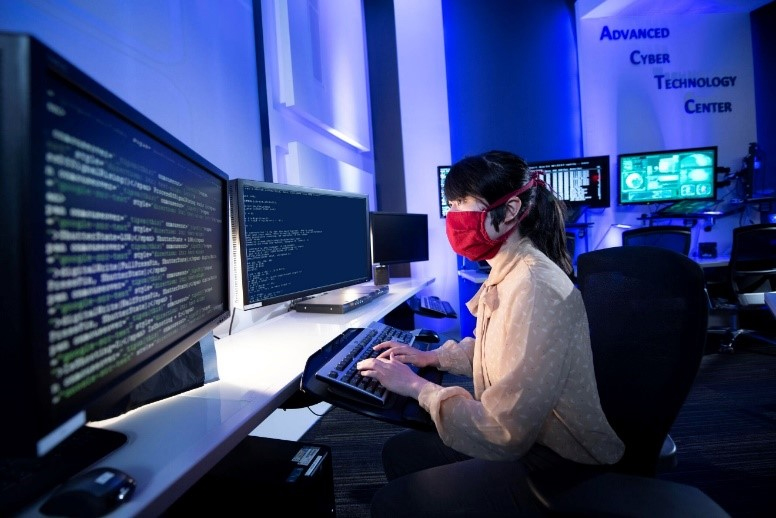
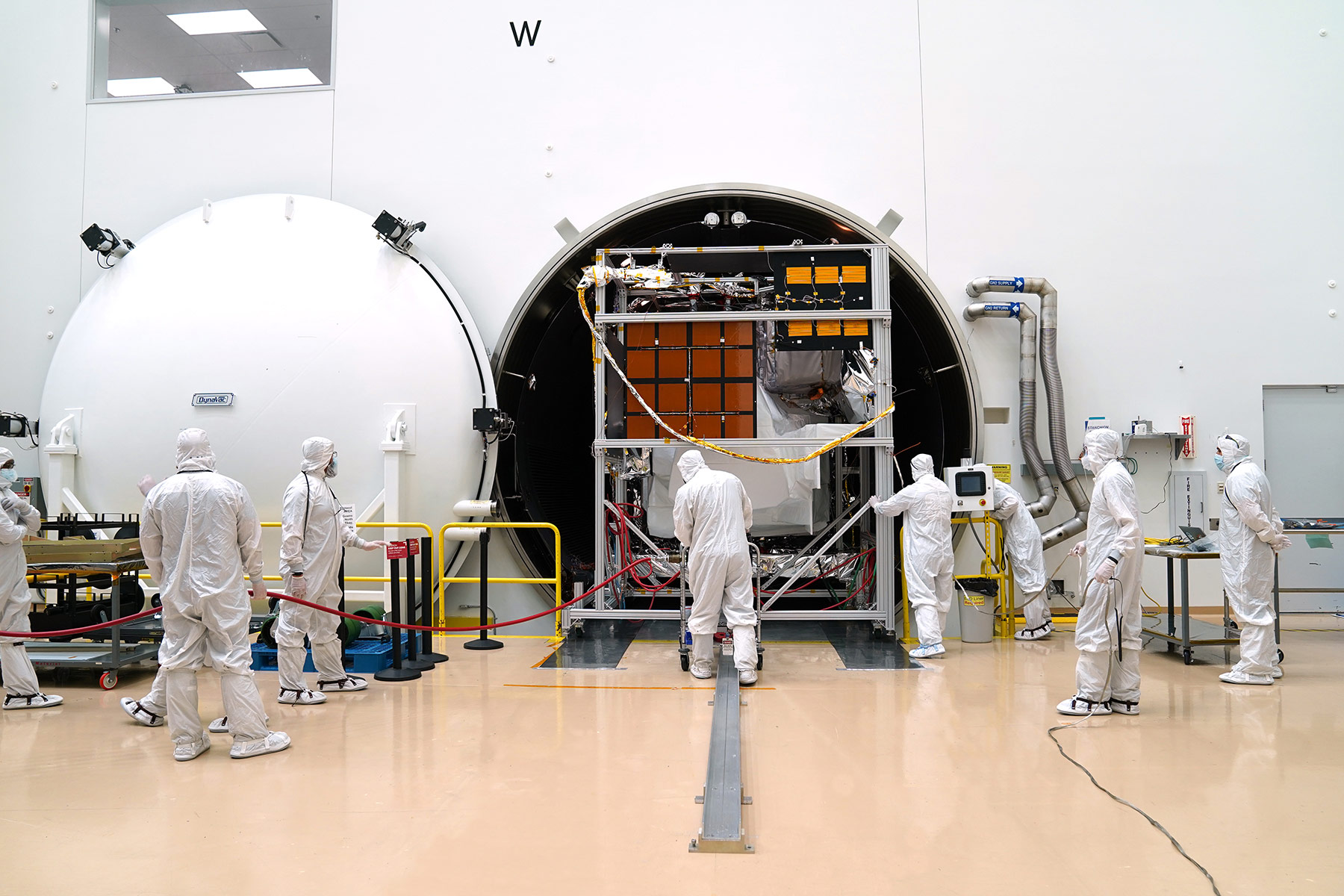
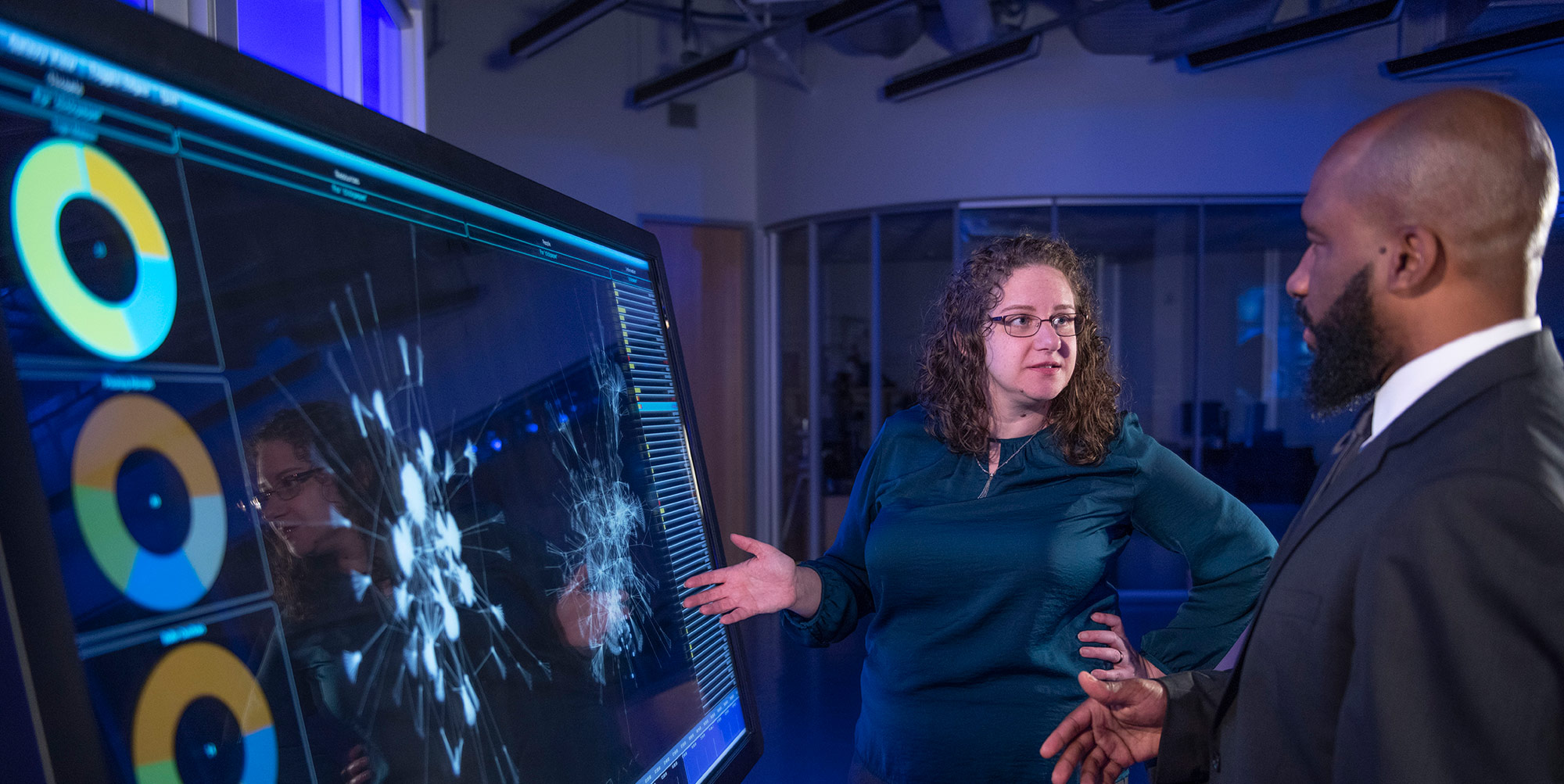
This innovative approach to satellite servicing first takes shape on the ground. In testing facilities and offices, Northrop Grumman employees make the most of collaborative digital tools and model-based systems engineering (MBSE) to develop the systems behind innovative satellite servicing vehicles.
The integration of digital technology with model-based approach to engineering is making a mark — increasing collaboration between employees and partners around the world and creating more efficient, agile ways to build complex space systems.
"Digital transformation has continued to accelerate," Dr. Joanne Woestman, a director of programs at Northrop Grumman said of the approach. For her and her colleagues, the evolution of digital engineering is enabling more efficient development of reliable products and systems for satellite services.
Loading component...
Loading component...
Moving Toward All-Digital Collaboration
Woestman's team is already realizing the benefits of MBSE. The approach is enabling them to constantly learn from their work and see how they can quickly apply those lessons.
"It enables more scenario thinking, more what-ifs," she said. "What if we change this, and what if we did this? It also improves communications across larger teams. Usually, it's difficult to align a hundred different people on a project — and even crazier when they're working across the world.
"This approach increases confidence in the product," she added. "You can get a better result and capture more technical interaction."