Navigating the Nancy Grace Roman Space Telescope
By Kelly McSweeney
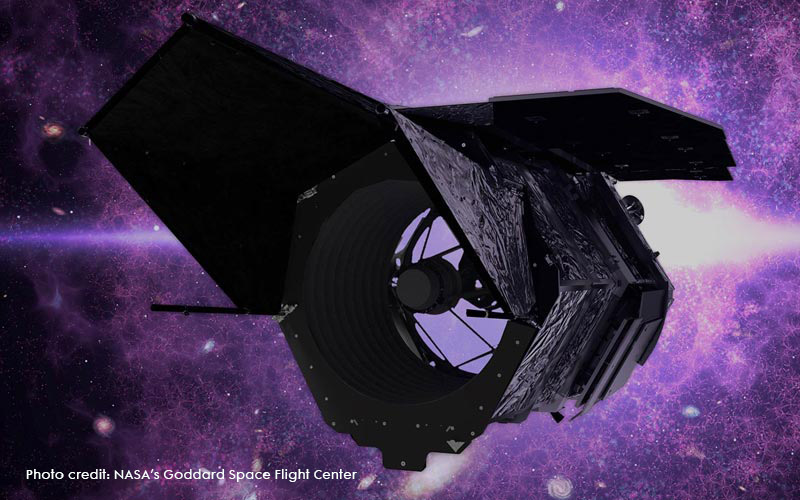
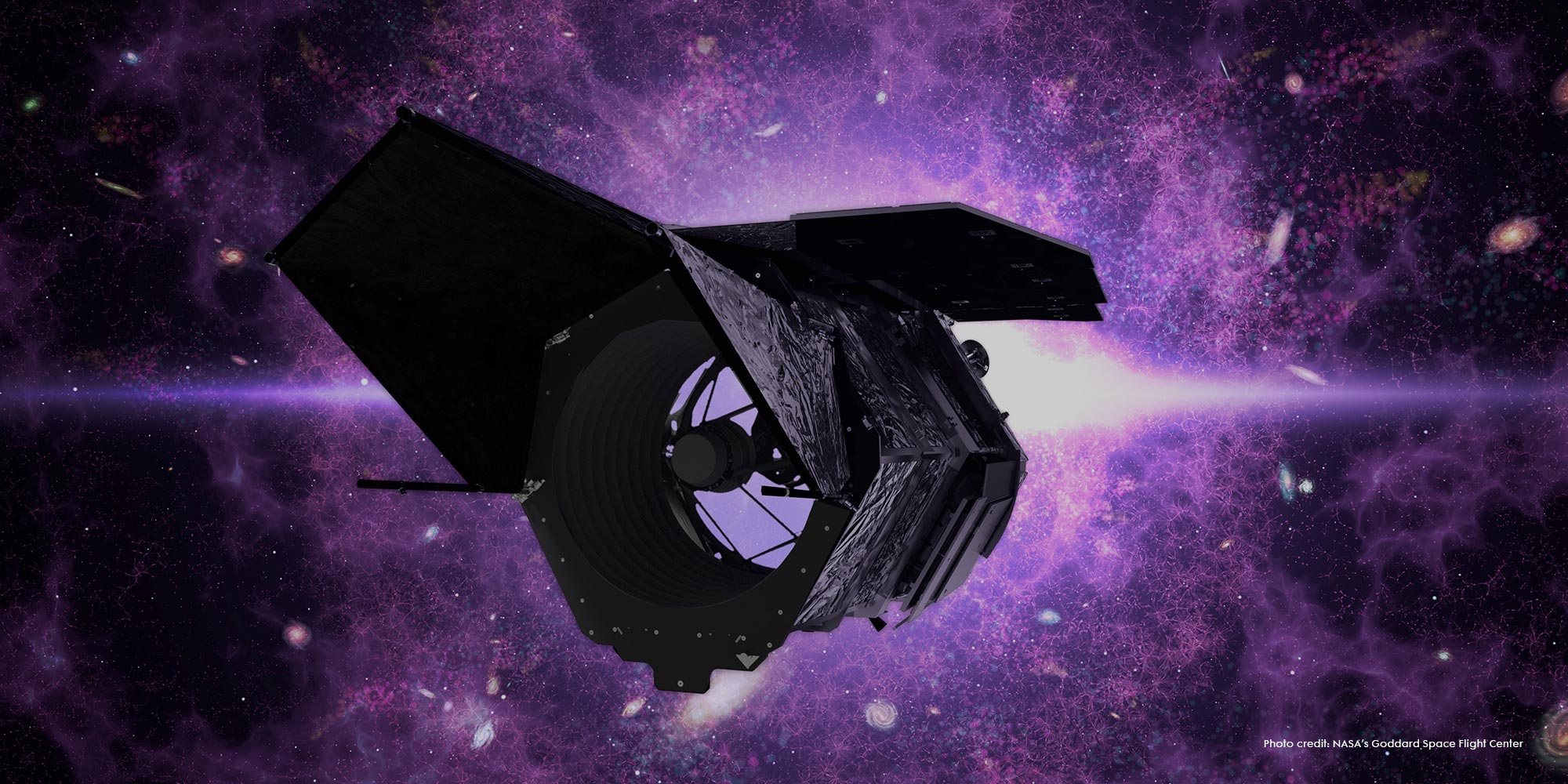
Within the next decade, NASA's Nancy Grace Roman Space Telescope (Roman Space Telescope) will be one million miles away from Earth, orbiting the L2 point (the second Lagrange Point), about four times further than the Moon, but in the direction away from the Sun. Named for NASA's first chief of astronomy who assisted with the Hubble Space Telescope launch, the Roman Space Telescope will help answer essential astrophysics questions about dark energy, dark matter, exoplanets and infrared astrophysics.
Set to launch in the mid-2020s, the Roman Space Telescope will measure light from other galaxies and search for mysterious celestial objects such as rogue planets that wander through the universe without a star. To do these things, the images it takes must be stunningly sharp – the equivalent of being able to see which way a firefly is facing in a photo taken from a distance of 10 miles. But if your shaky hand can make a once-in-a-lifetime photo blurry, just imagine the importance of a having a reliably steady telescope in space.