FEATURE STORY
Game Changer Part II: Northrop Grumman and the James Webb Space Telescope’s Confounding Sunshield
By David Larter
Loading component...
From day one, everyone involved in the program knew that when NASA’s James Webb Space Telescope (Webb) arrived on orbit it would change humanity’s understanding of our cosmic origins.
If it worked.
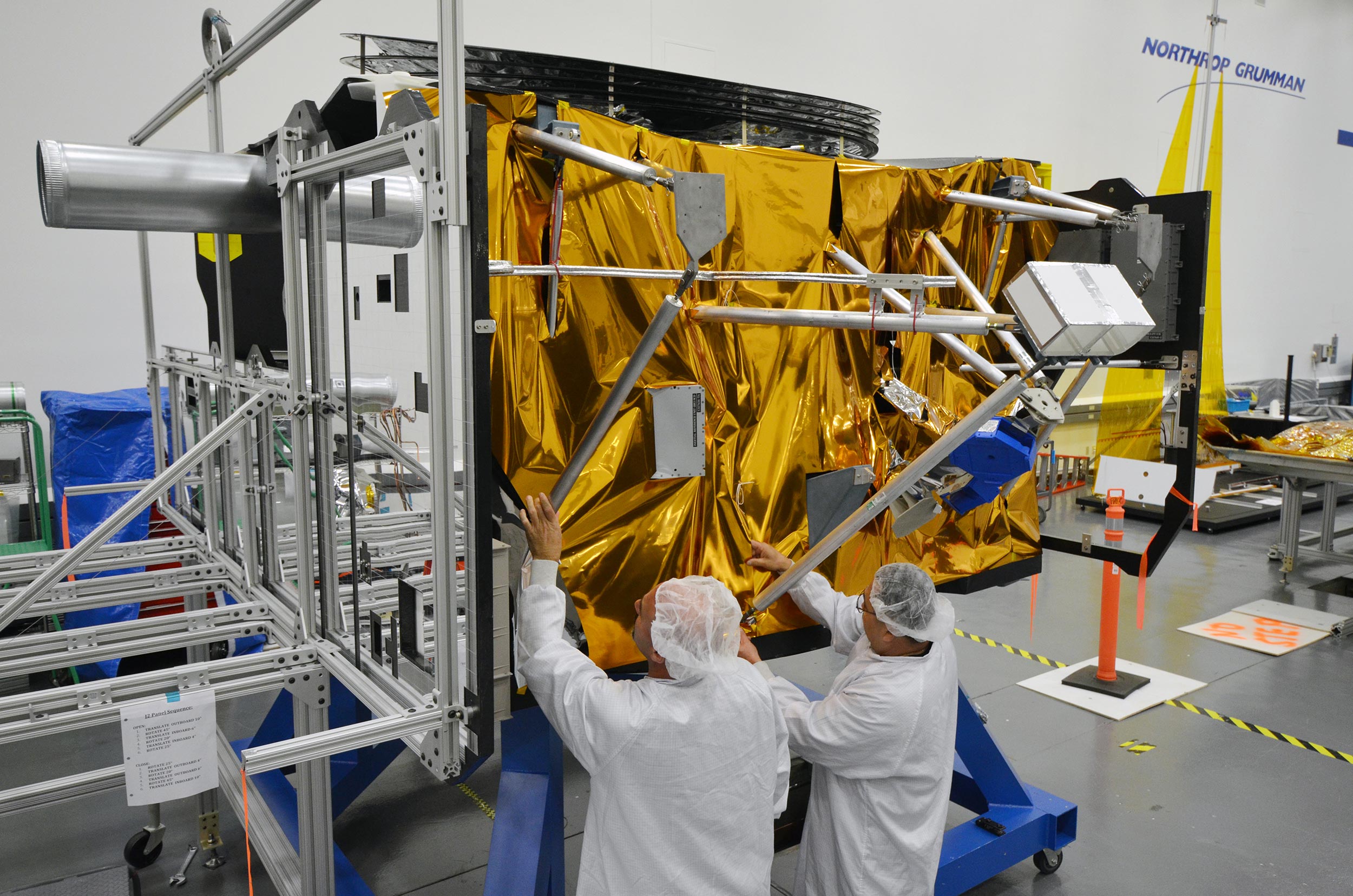
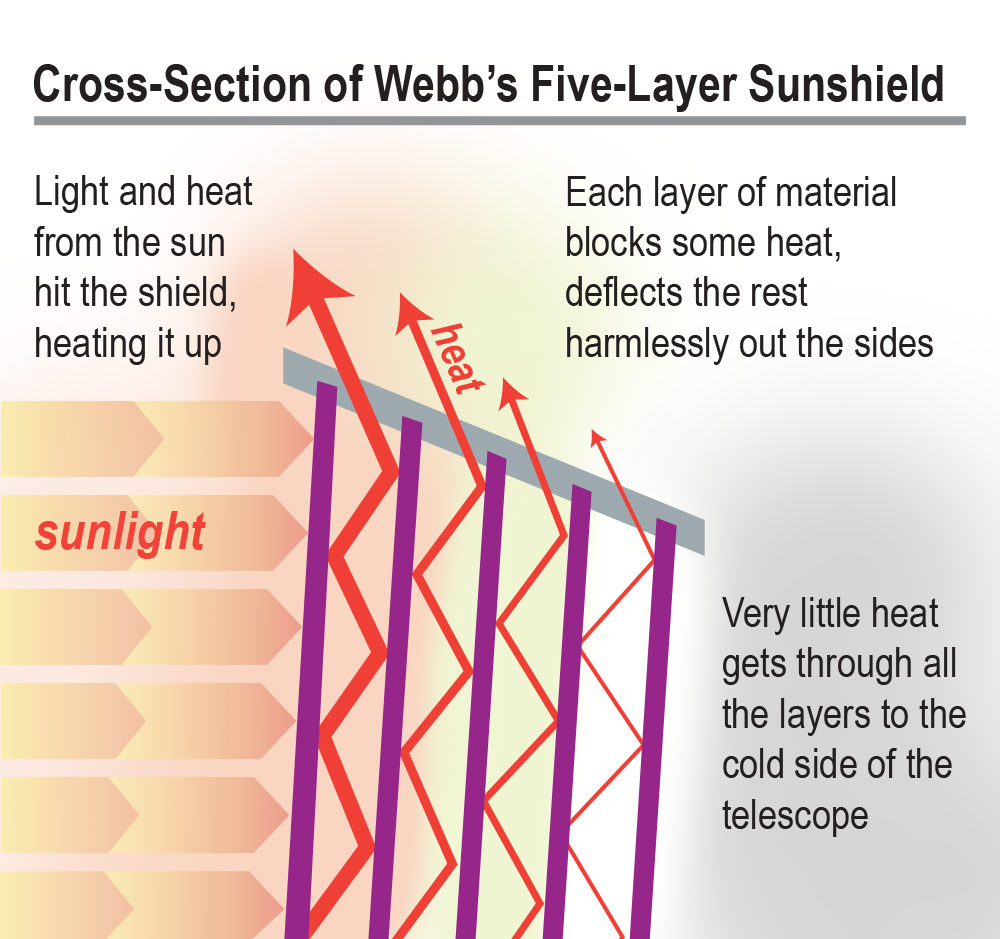
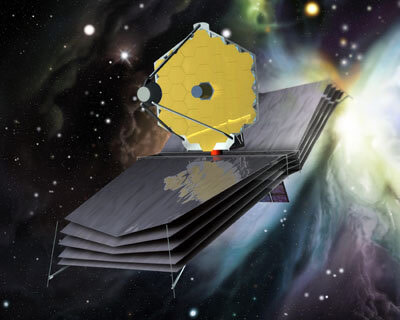
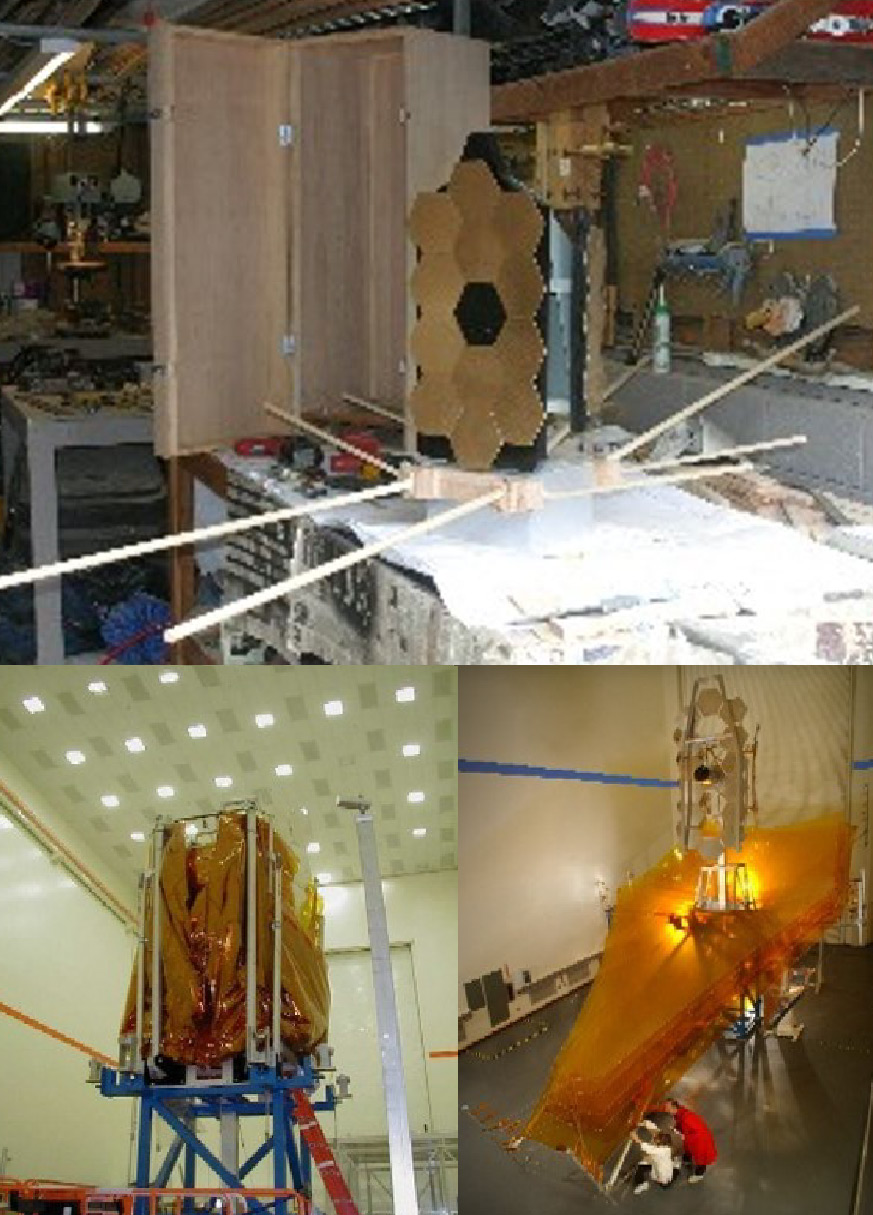
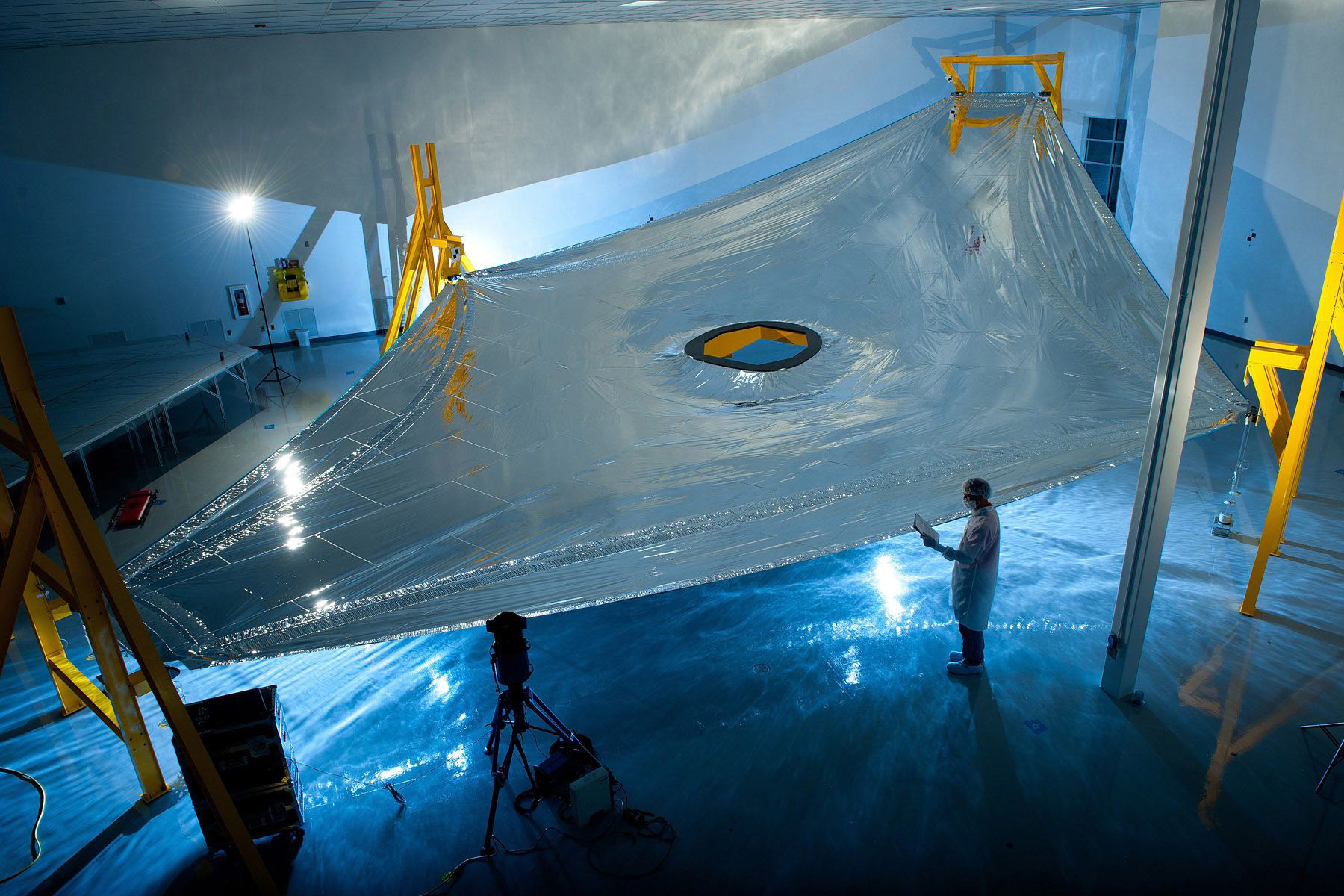
First, the only deployable, passively cooled infrared observatory – with its delicate, tennis court-sized sunshield – had to unfold in space en route to its destination a million miles from earth – beyond any manned rescue mission.
No one had ever attempted anything like it.
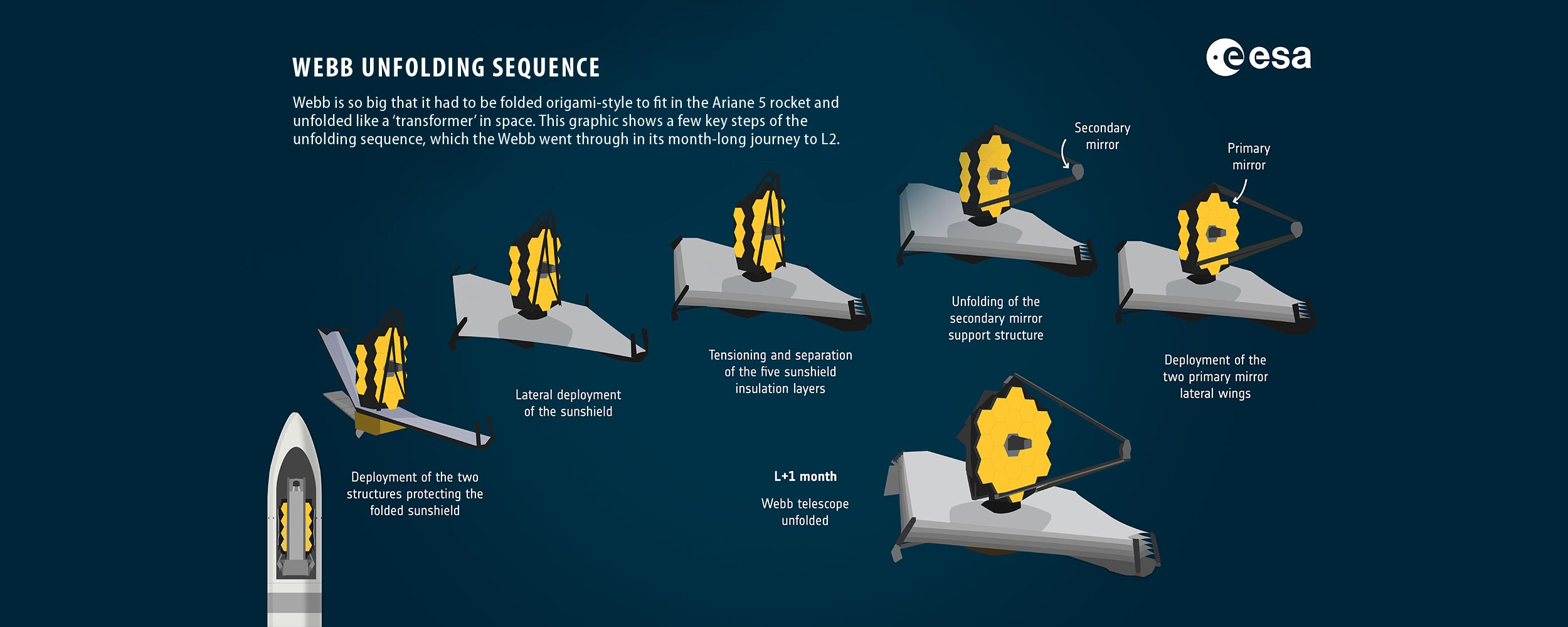
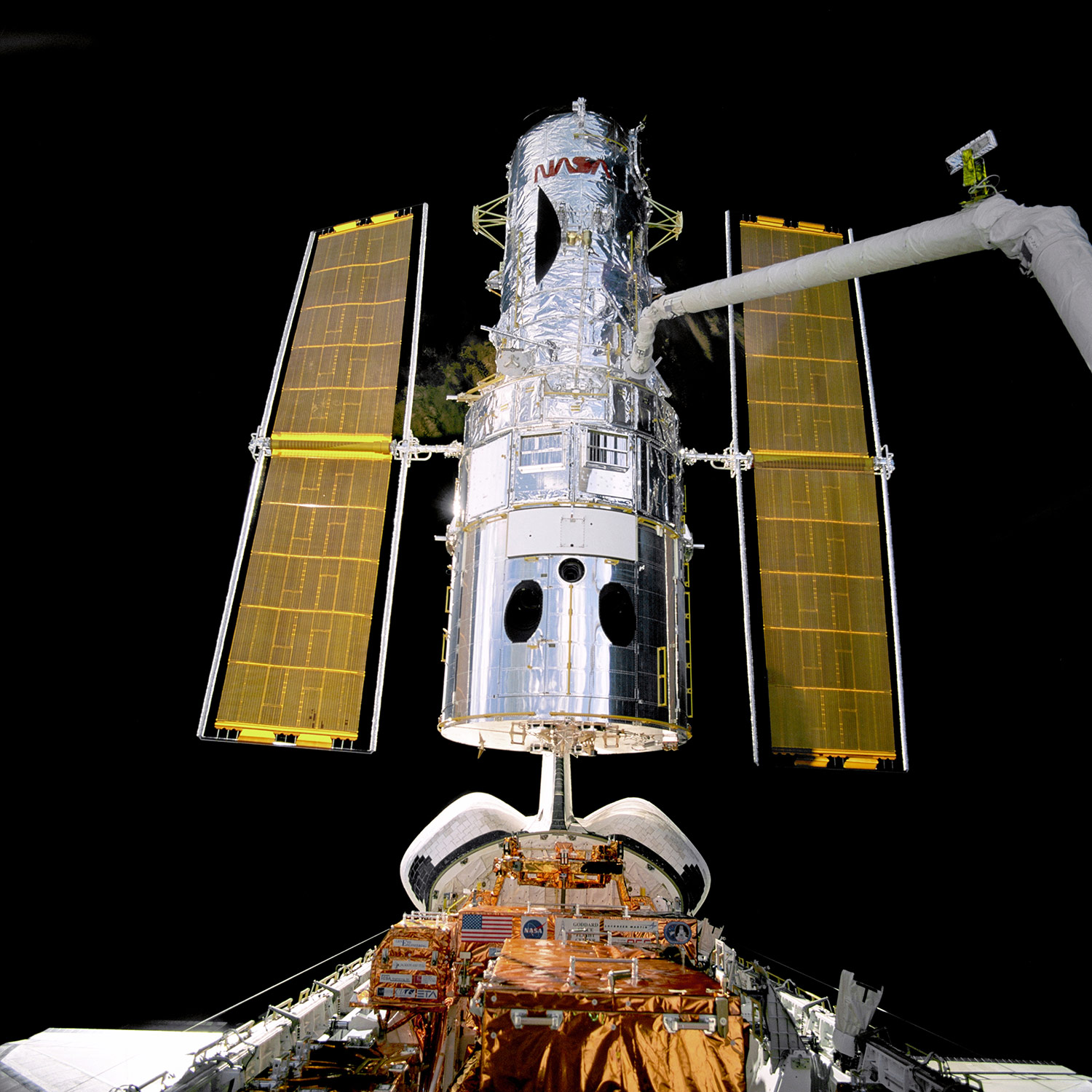
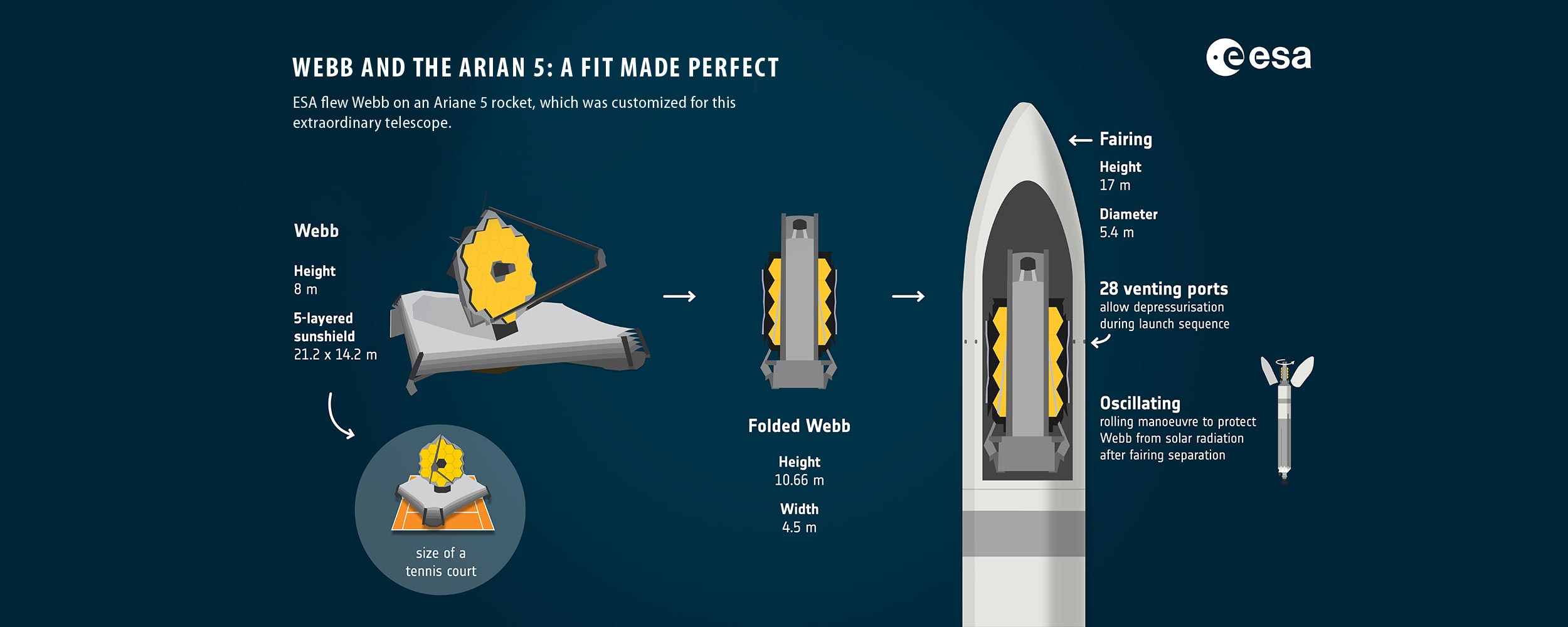
Its predecessor, the Hubble Space Telescope, was robotically extracted from the mission bay of the Space Shuttle Discovery in 1990. Hubble was constructed as a 27,000-lb. monolithic spacecraft with a 2.4-meter optic. Webb would be more like a transformer, the fictional alien robot cars: a 14,300-lb observatory with a 6.5-meter optic that would go from stowed inside a 5.4-meter-diameter rocket fairing atop an Ariane 5 and morph into a 21 m x 14 m (69.5 ft. x 46.5 ft.) final spacecraft.
Designing a lightweight observatory with moving parts and pieces that could survive launch, then deploy in space and operate and cryogenic temperatures, presented a mountain of challenges for the team at Northrop Grumman, said Josh Levi, a test and integration engineer who has worked on the program almost from the beginning.
“When you want to survive launch, you want to make the telescope really stiff so it doesn’t move around and tear itself up as it’s getting to space,” Levi recalled from his Space Park office in Redondo Beach. “And when you want to it to be deployable, you need to have gaps, hinges, and other things like that which are going to vibrate and potentially break during launch. And then when you want to operate at cryogenic temperatures you have you have to use soft materials that can expand in predictable ways.”
All those requirements compete with each other, Levi said, and that made the design incredibly complex.
Loading component...
Loading component...
Loading component...
Loading component...
Loading component...
Loading component...
Loading component...
Loading component...

Loading component...
Loading component...
Loading component...
Loading component...
Loading component...
Loading component...