Digital Modeling for Out-of-This-World Environments
By: Kelly McSweeney
It's hard enough to keep a patio umbrella safe on a windy day on Earth. So, what happens when a razor-thin umbrella the size of a tennis court hitches a ride to space on a noisy, bumpy rocket?
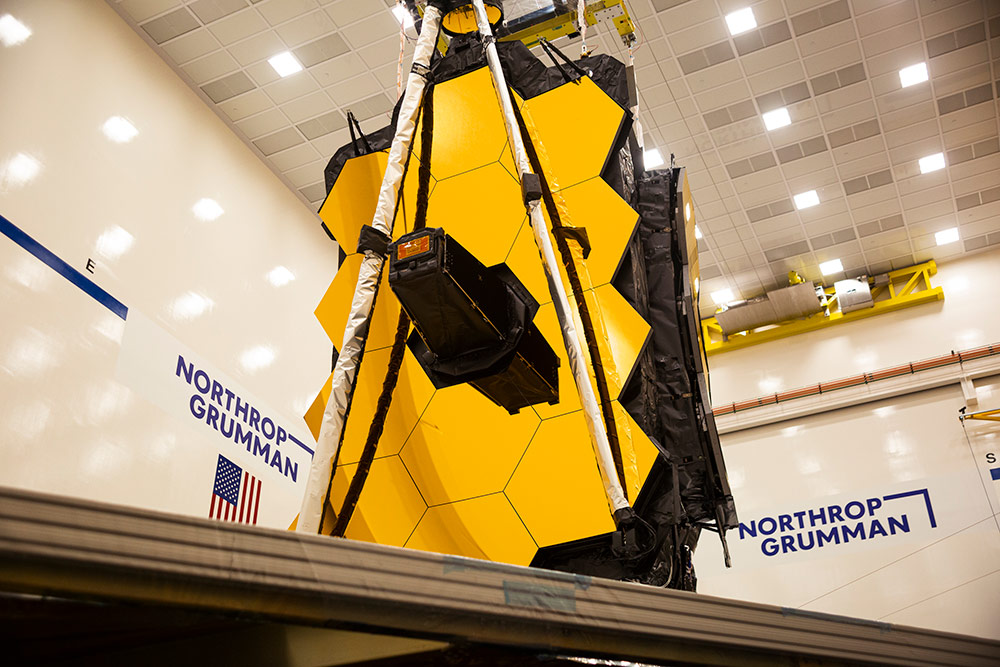
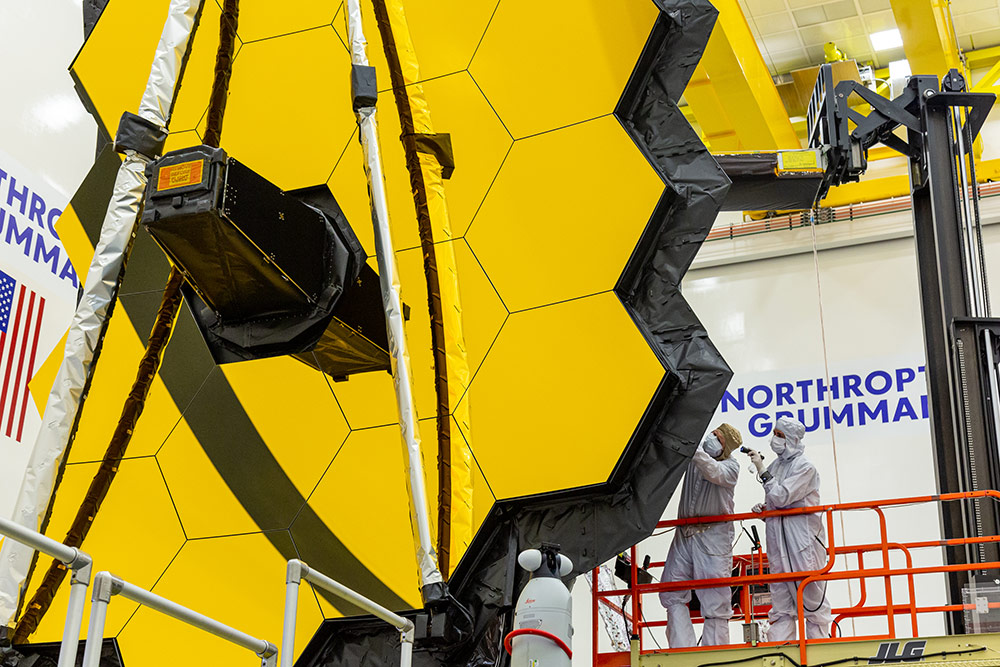
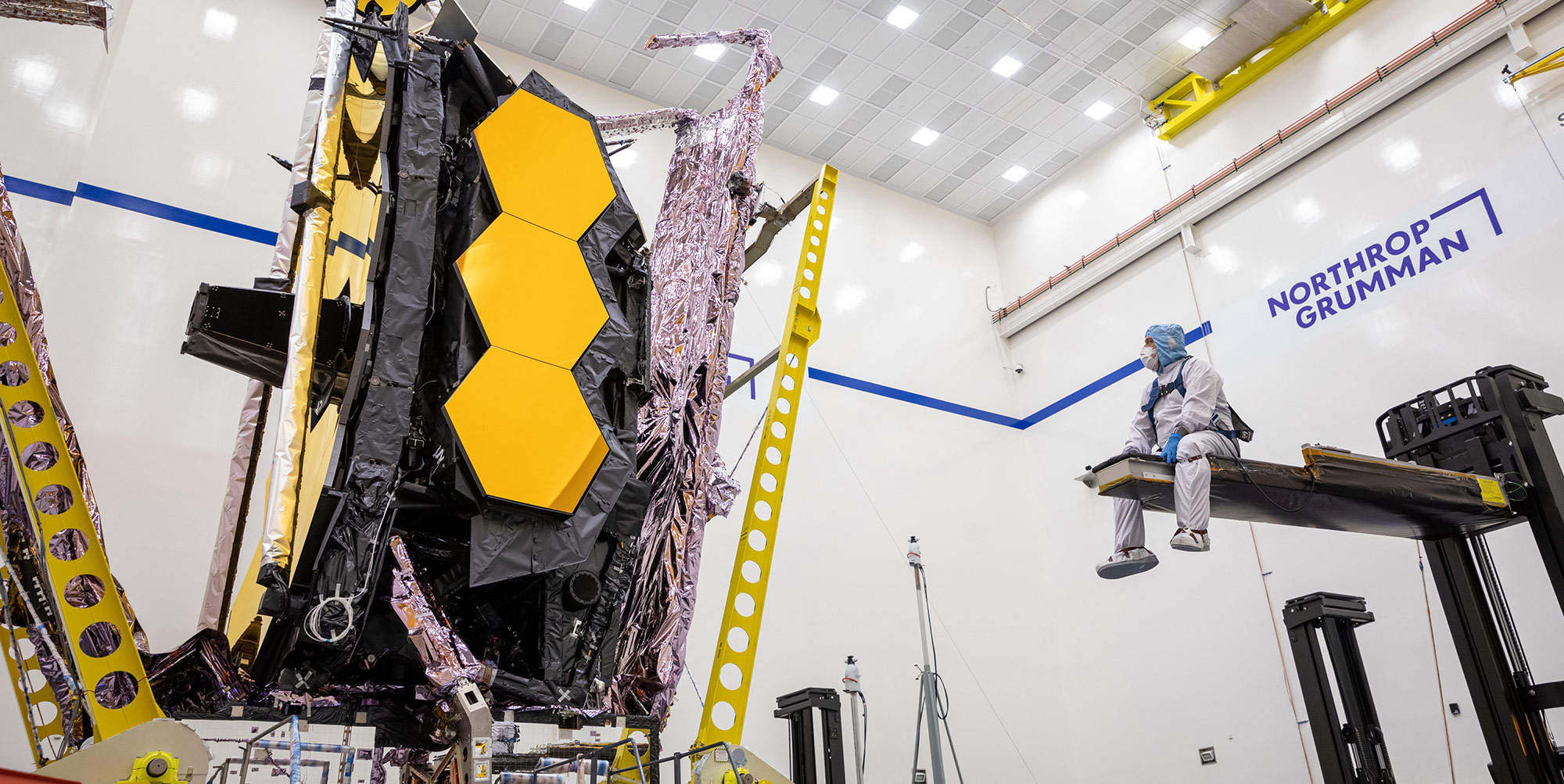
When space is out of reach, engineers use digital modeling to simulate space environments. The team that designed and built the James Webb Space Telescope has been testing and modeling the telescope's structure for over a decade to successfully reach it final home at Lagrange point 2 (L2) about a million-miles away from Earth.
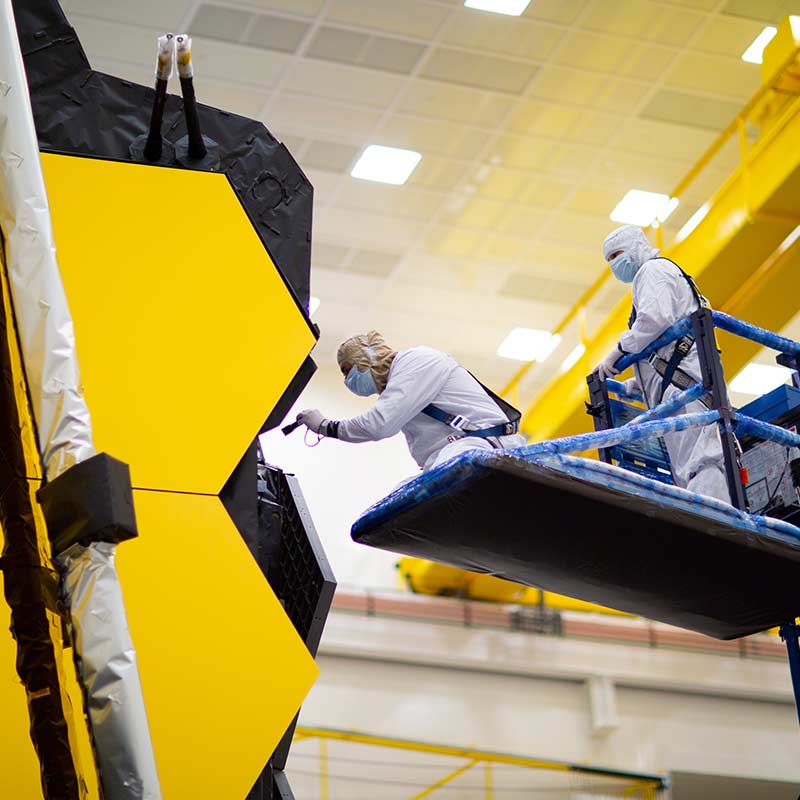
Engineers use digital modeling and real-world physical tests to find out what could go wrong and put solutions into place.
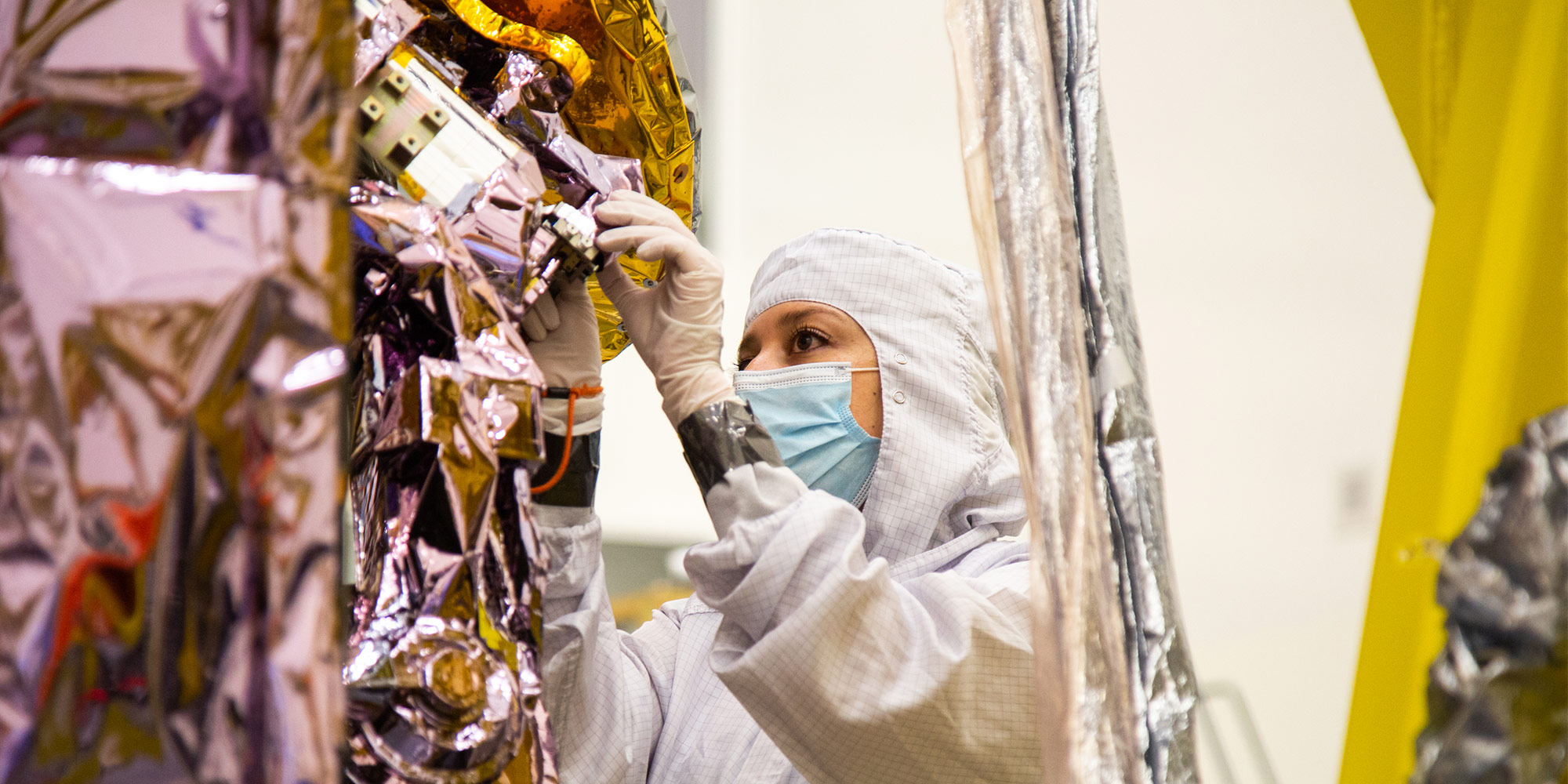
"I verify and validate the structural integrity of main load-carrying components to make sure they meet standards and are acceptable for flight," says Javier Lopez, a structural analyst assigned to Webb. "I make sure that things don't break when the vehicle is ascending into space and throughout the life of the mission."