Electrostatic Discharge (ESD)
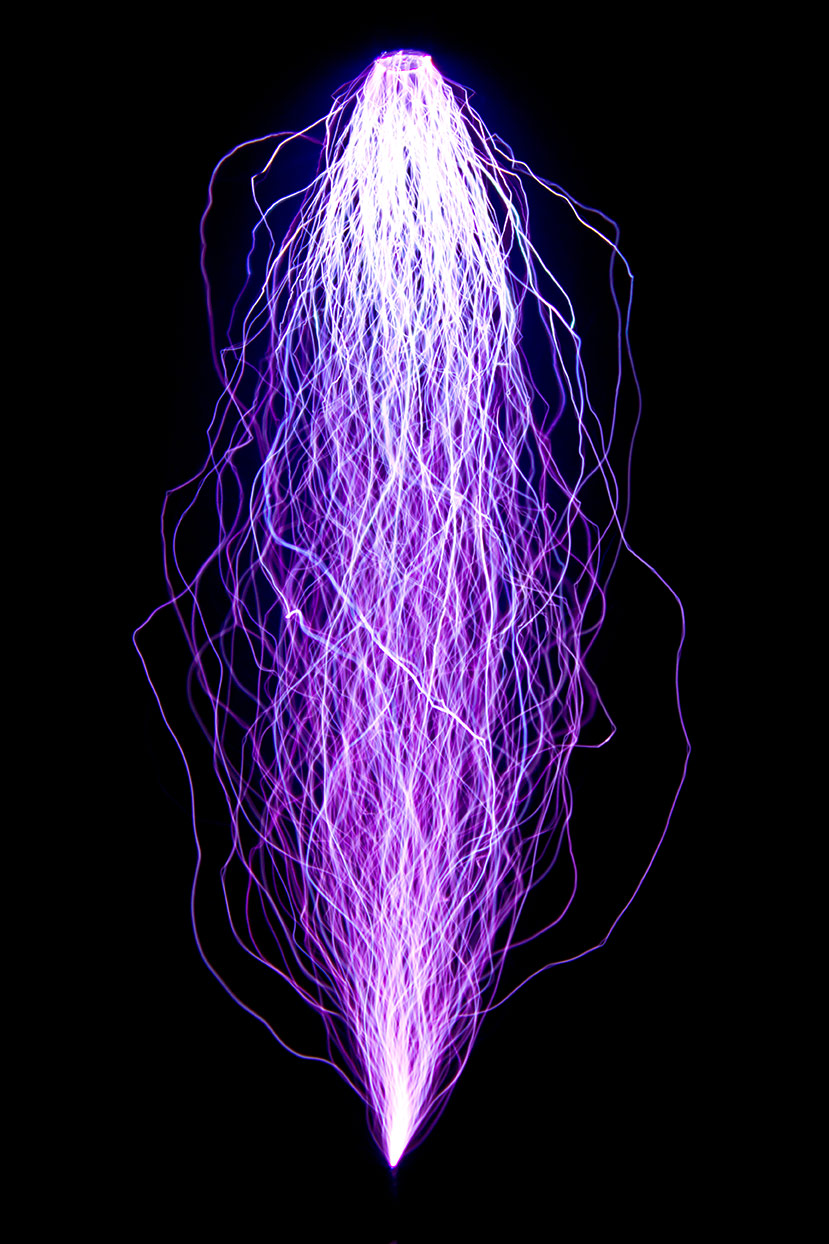
ESD is a common engineering challenge, especially with electronics. But space creates a perfect storm that makes ESD a crucial element of any space design. Shuffling your socks across a carpet can create static buildup that causes a harmless spark when you touch something. But in an enclosed system such as an electronic device, those sparks can damage the components. On Earth, we can avoid ESD with grounding systems, such as a lab employee wearing a wrist strap that attaches them to the ground. In space, the plasma environment can cause large charges to build-up on surfaces of a spacecraft, creating even more potential for ESD that engineers must carefully take into account in their design.
This is why spacecraft materials have specific requirements; they have to be conductive so that, as charges build, they are safely dispersed. Otherwise, they could build up charge and create arcs that could damage the spacecraft. Plastic materials, such as the ones used in additive manufacturing, are usually not ESD-safe.
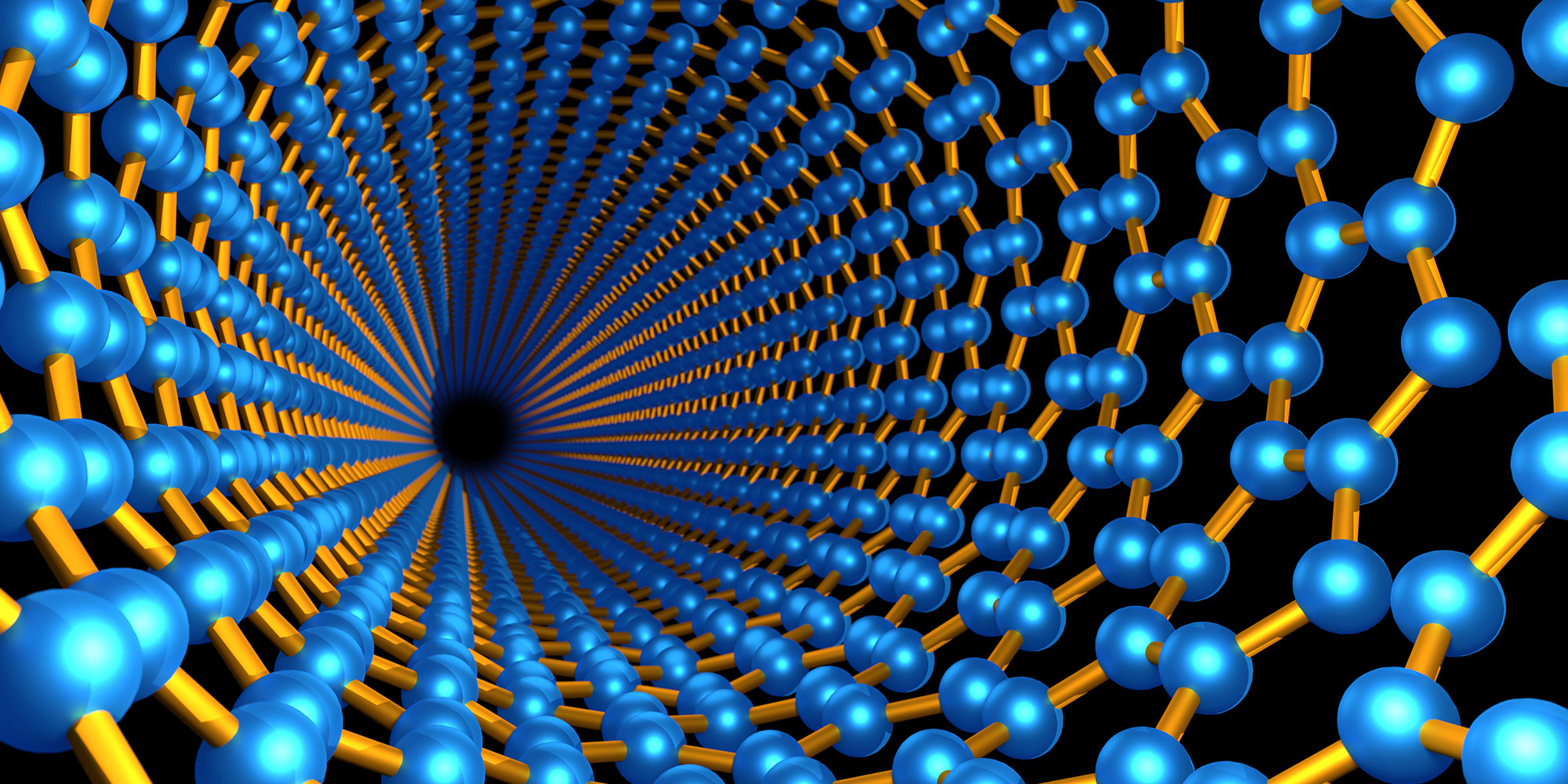
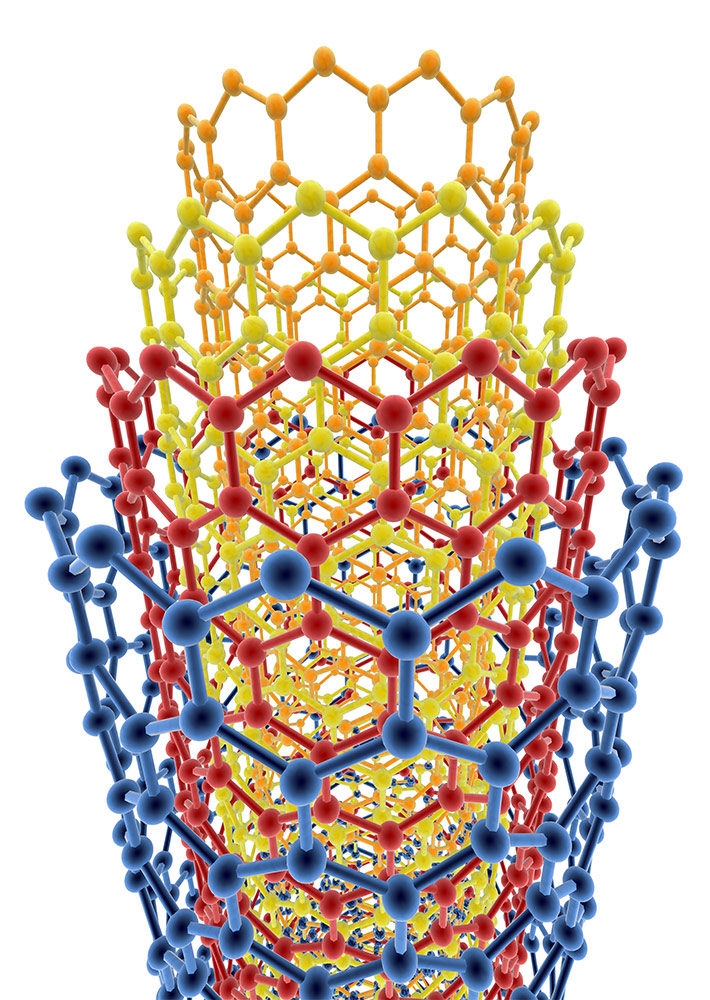
"We add carbon nanotubes to the polymer to make it conductive, so we can avoid that buildup of charge," explains Randy Spicer, Senior Principal Engineer at Northrop Grumman.
His team experimented with different ways of incorporating CNTs into plastic, which is tricky because the tubes tend to stick together. They worked with partners to develop manufacturing techniques to evenly disperse CNTs for consistent, reliable ESD protection.