A New Space Paradigm Calls for Purpose-Built Spacecraft
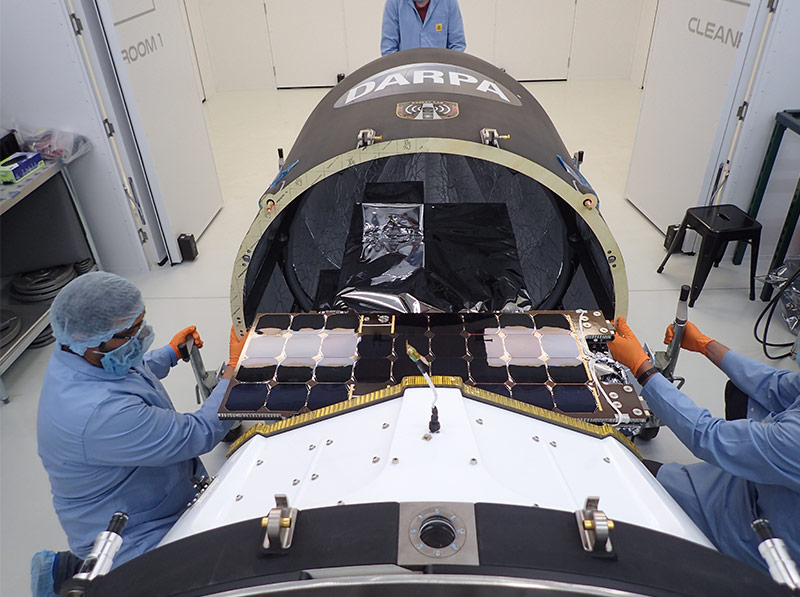
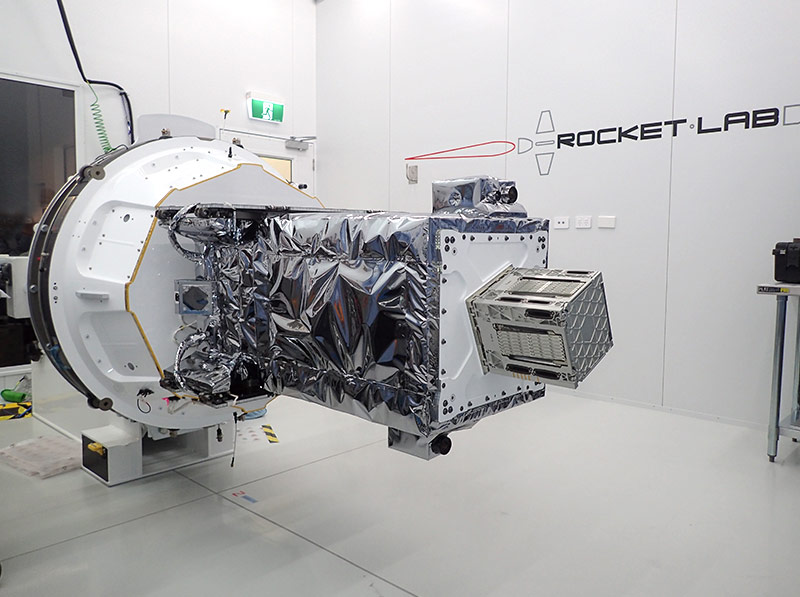
Northrop Grumman is accelerating the pace of new space technology development, deploying DARPA's R3D2 with extreme speed and incredible innovation.

By Albert McKeon
A new space paradigm has taken hold, and it's accelerating the pace of new space technology development. This shift is about more than just speed, it's a movement towards eliminating excess capability and taking on risk with an end goal to develop space vehicles that are “good enough” for the mission. This change is allowing customers to achieve their vision of space more quickly and affordably than ever before. If you thought the space race was important in the last century, get ready to see the next generation of developing space satellites with extreme speed and incredible innovation.