Satellite Services in Space
By Albert McKeon
Imagine dark TV screens, radio stations without sound and weather reports lacking information. Such would be life without satellite services.
Fortunately, a special type of satellite perseveres, consistently relaying and amplifying telecommunications signals that power television, radio, weather and military applications. But eventually, these Geostationary Equatorial Orbit (GEO) satellites after about 15 years, need more fuel.
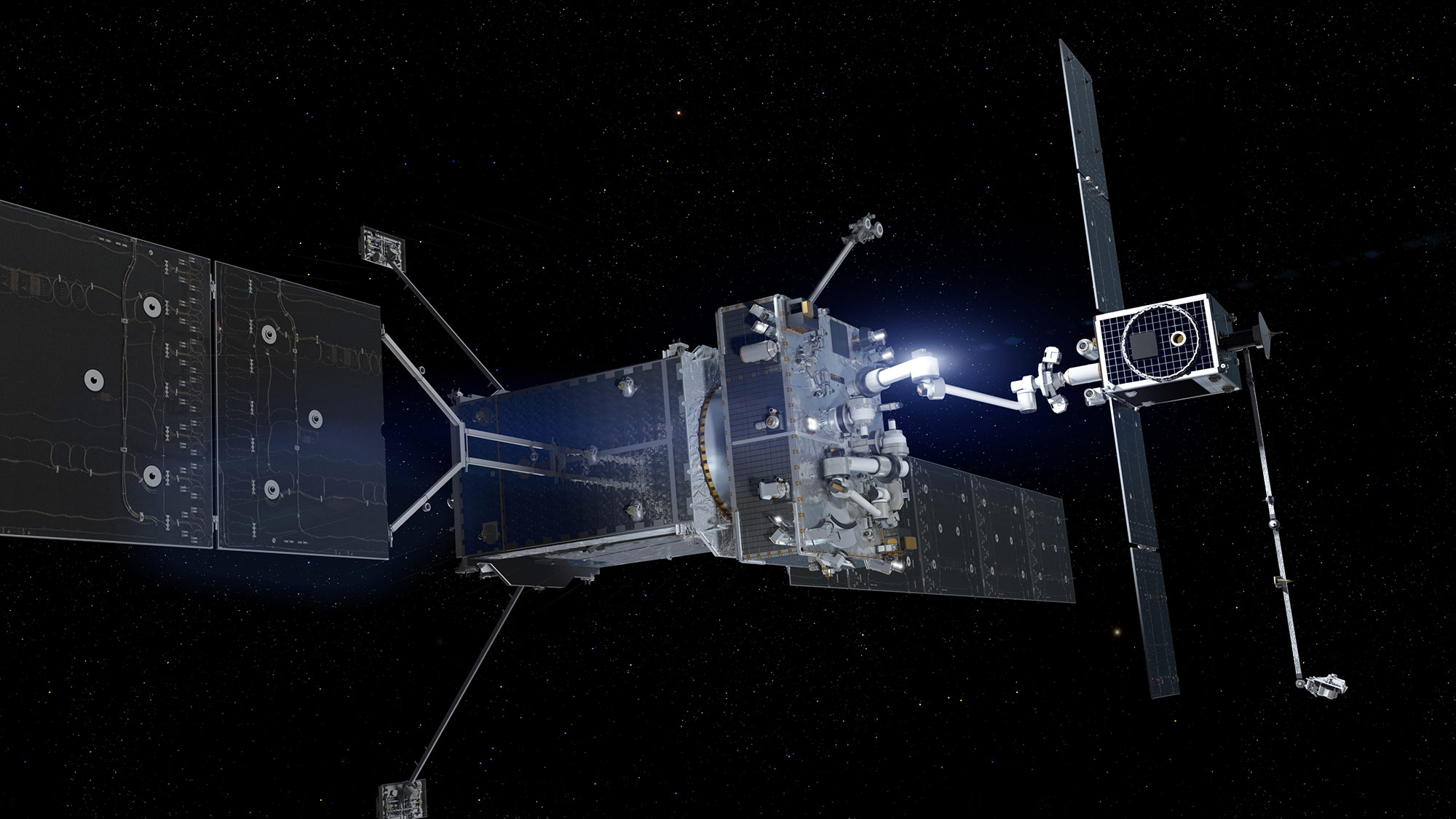
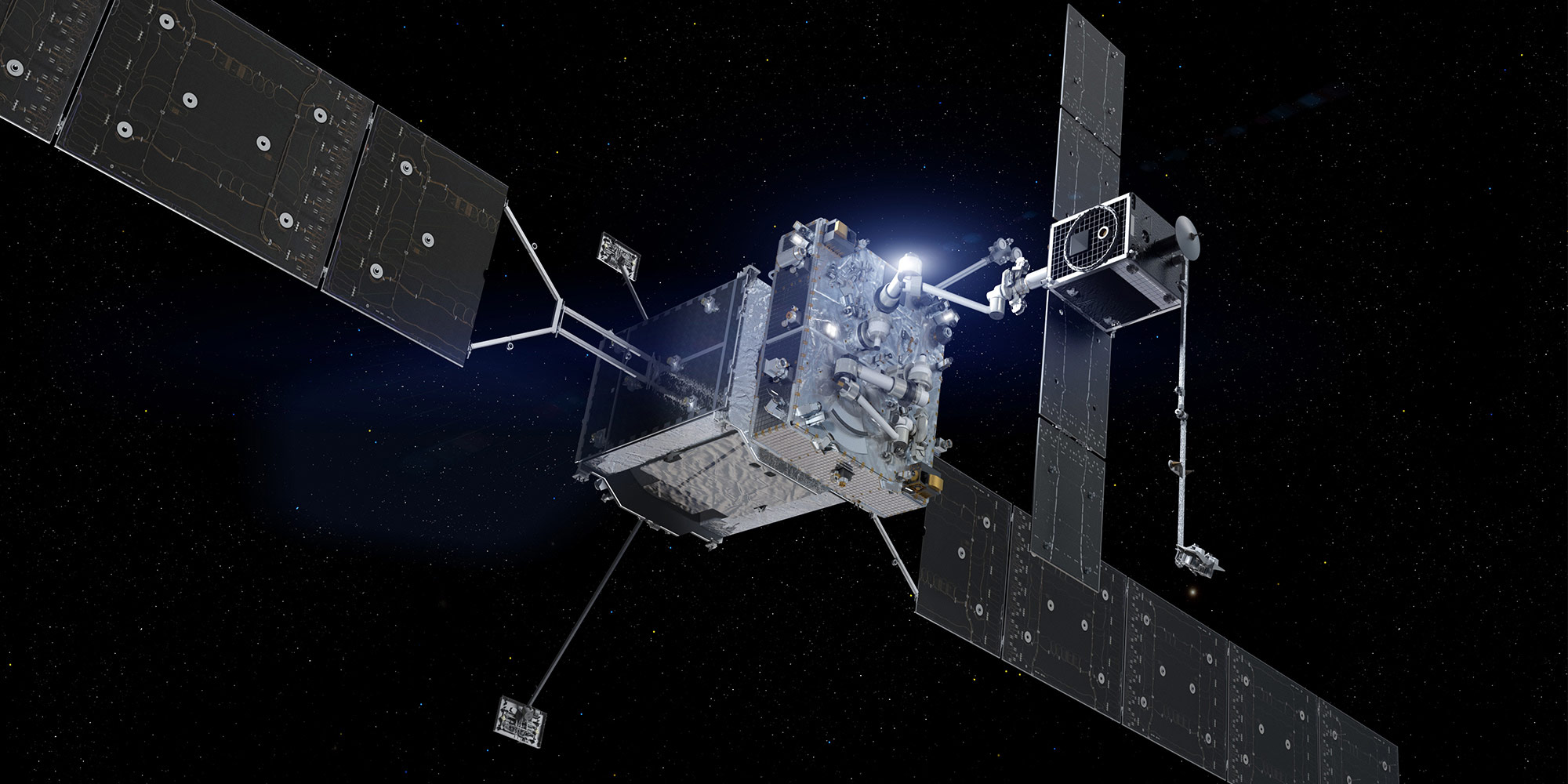
Of course, fueling and repairing a satellite in space isn't like driving a car to the nearest service station. But Northrop Grumman engineers have thought of the next best thing: bringing the service station to the satellites.
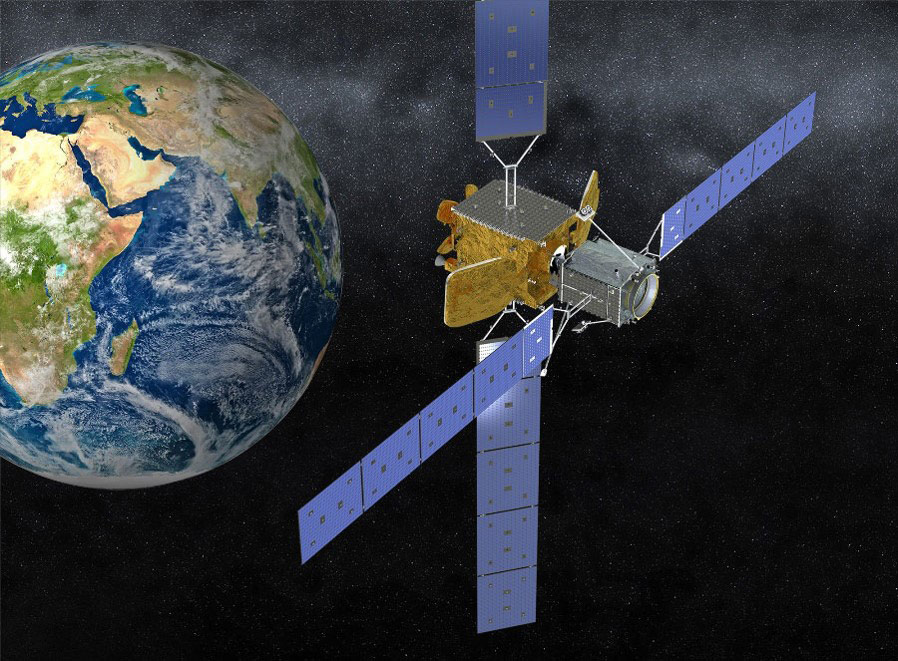
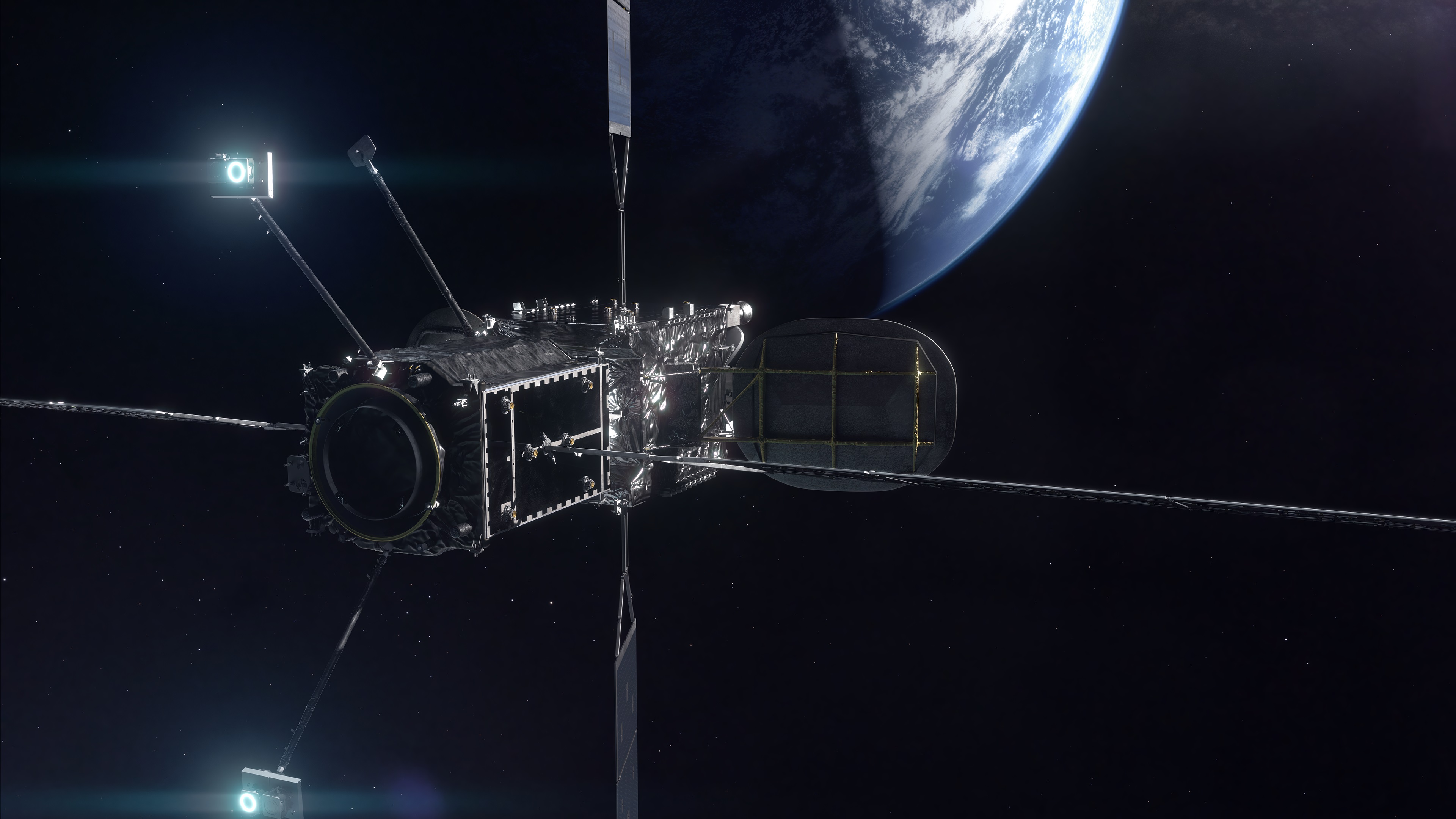
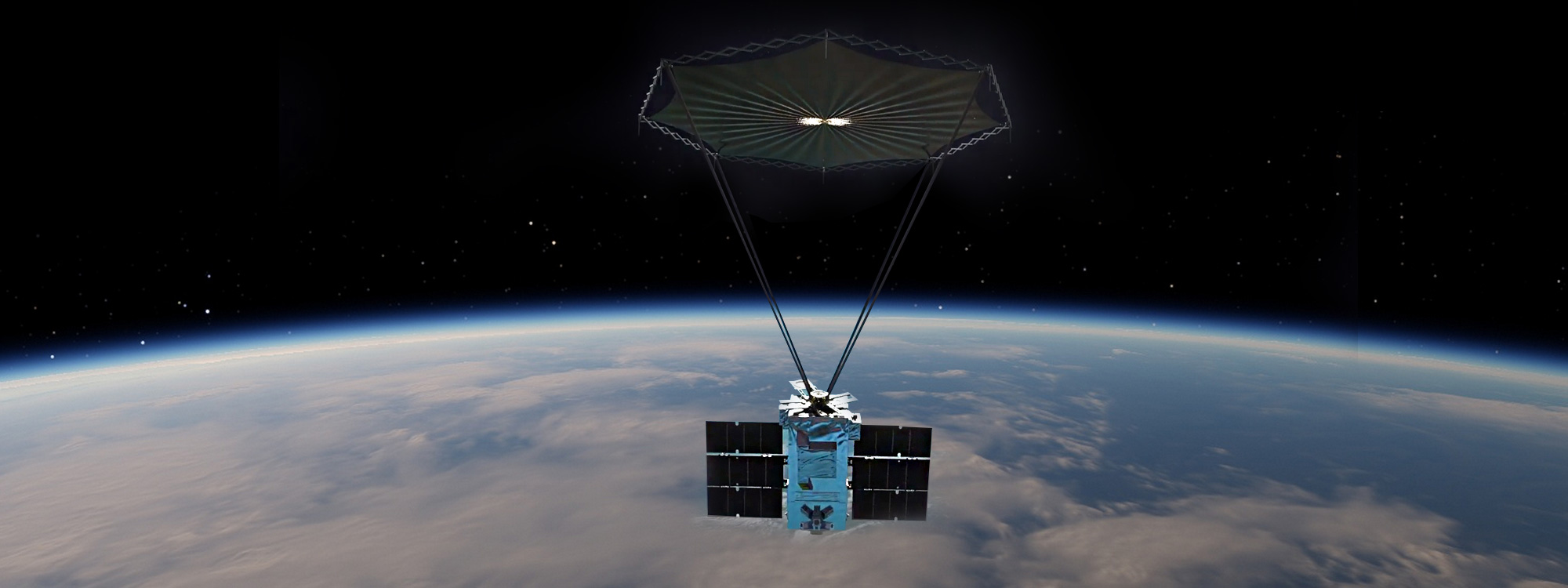
With three unique inventions — a Mission Extension Vehicle, Mission Robotics Vehicle and Mission Extension Pods — Northrop Grumman gives telecommunications companies, militaries and other organizations a chance to prolong the lives and usefulness of their expensive space technology. A GEO satellite provides immense value from its perch in high orbit, but it is very expensive to build and launch one into space.
By lengthening the functionality of the satellites with cost-effective and safe methods that are both innovative and grounded in time-tested practices, the three mission extension technologies herald a market transformation — according to Joseph Anderson, the vice president of Business Development and Operations at Space Logistics LLC (a wholly owned subsidiary of Northrop Grumman). He believes the prevailing wisdom should no longer be that once a satellite has run out of fuel, it's time to shut down the program.