"If we have sensors on all the key parts of the machines, we know when they are going to wear out, down to the minute," says Zach DeSmit, Senior Principal Systems Engineer at Northrop Grumman. "That way, we're not wasting resources by swapping out good parts preemptively, and we're eliminating downtime."
“One of the true beauties of Industry 4.0 is the ability to take a design concept and within hours we can validate that design’s producibility and accessibility in a virtual environment or by 3-D printing the part or assembly.” says Ignacio Serrano, Manager of Transformational Manufacturing at Northrop Grumman.
Within a digitally connected ecosystem, 3-D models can be quickly converted into a format that allows the designer and end user to review the design in the virtual environment. By leveraging the virtual experience and 3-D printing, it helps us to improve and iterate the design before we start manufacturing, reducing costs downstream while improving first time quality.
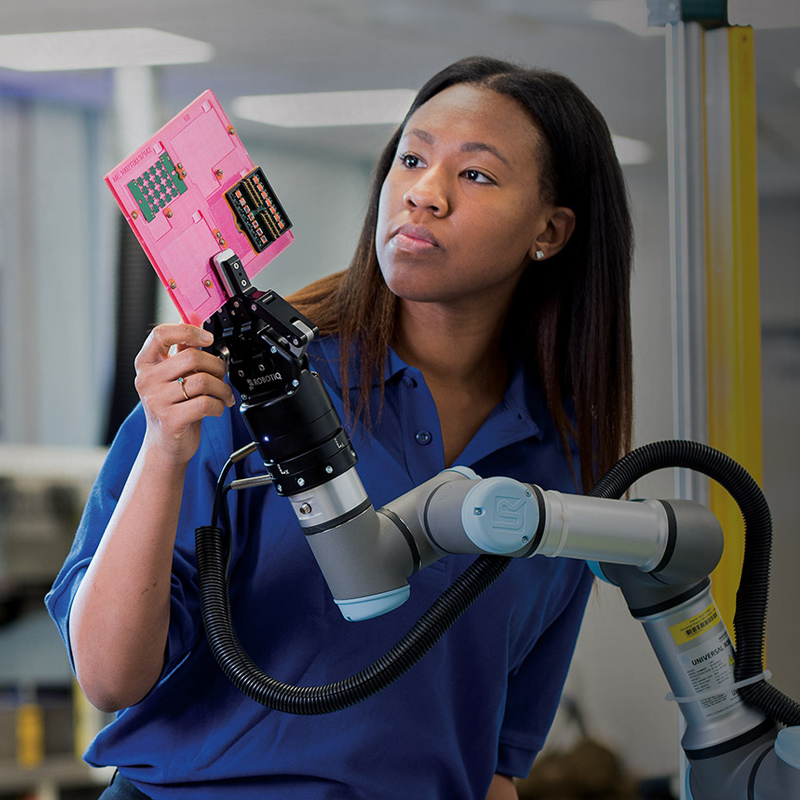
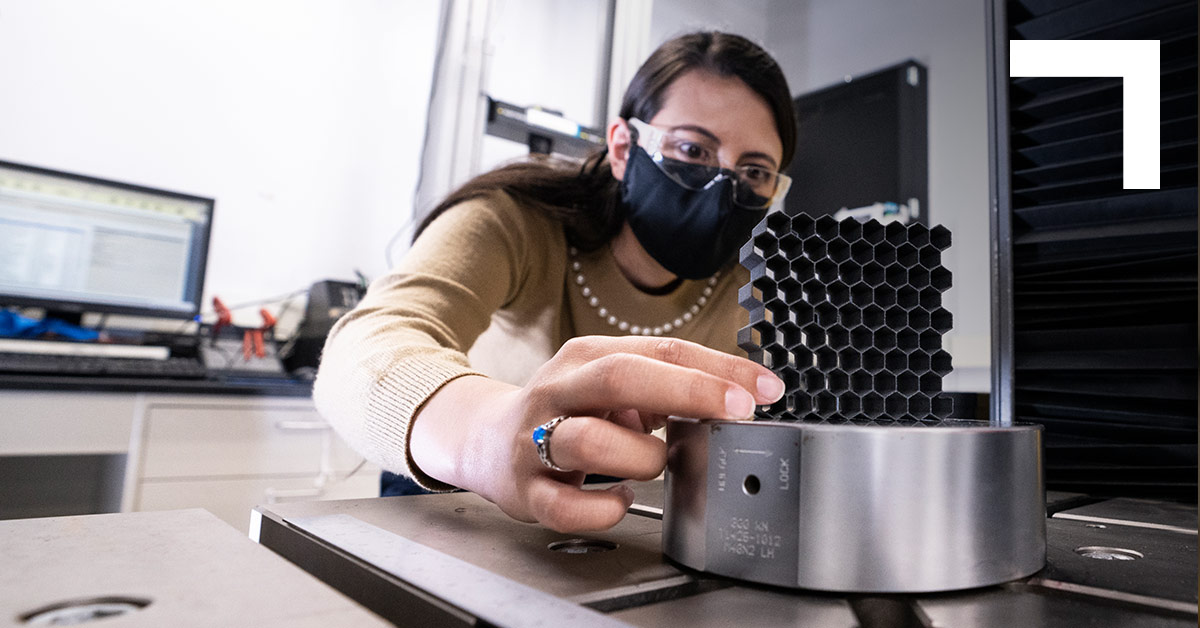
As products have become more complex, it has created a core of very specialized skills required of technicians to perform critical operations. To aid our specialized workforce we have leveraged advanced manufacturing techniques to enable them to better execute. This can be anywhere from composite layups to drilling and precision assembly operations. Furthermore, 3-D printing enables our technicians to get hands on experience with a product to learn and transfer skills prior to the start of manufacturing.
In the end, beauty is in the eye of the beholder and “Industry 4.0 is part of our overall digital transformation effort and is essential for us to remain competitive in this market,” says Keith Matthews, Director of Materials, Manufacturing, Integration Test & Launch.