
Building on the legacy of the Apollo and Space Shuttle programs, Northrop Grumman is pushing the limits of possible with the Artemis program.
Propelling Artemis II to the Moon
Powering an American Moment
By Rachel Ellis
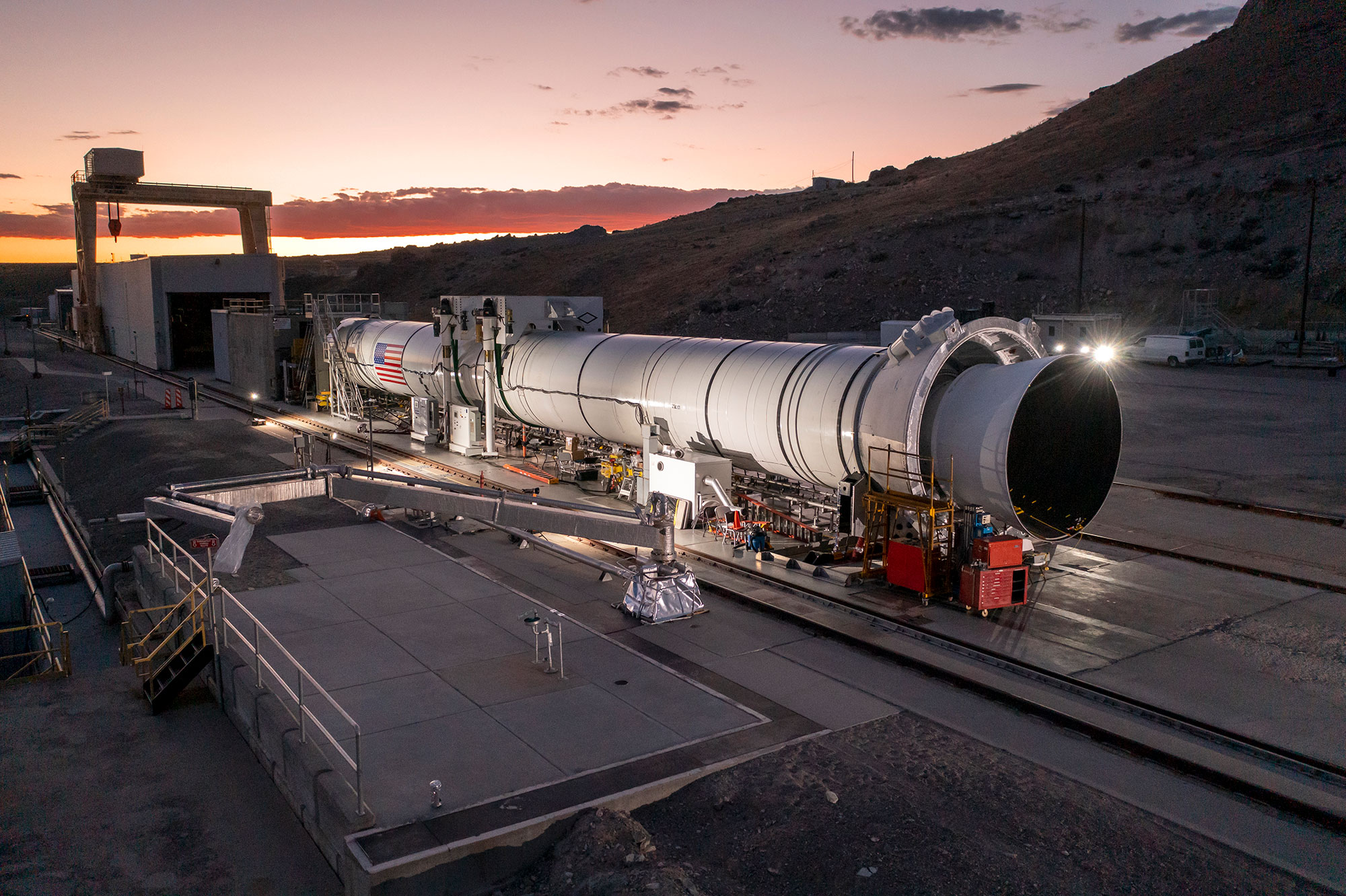
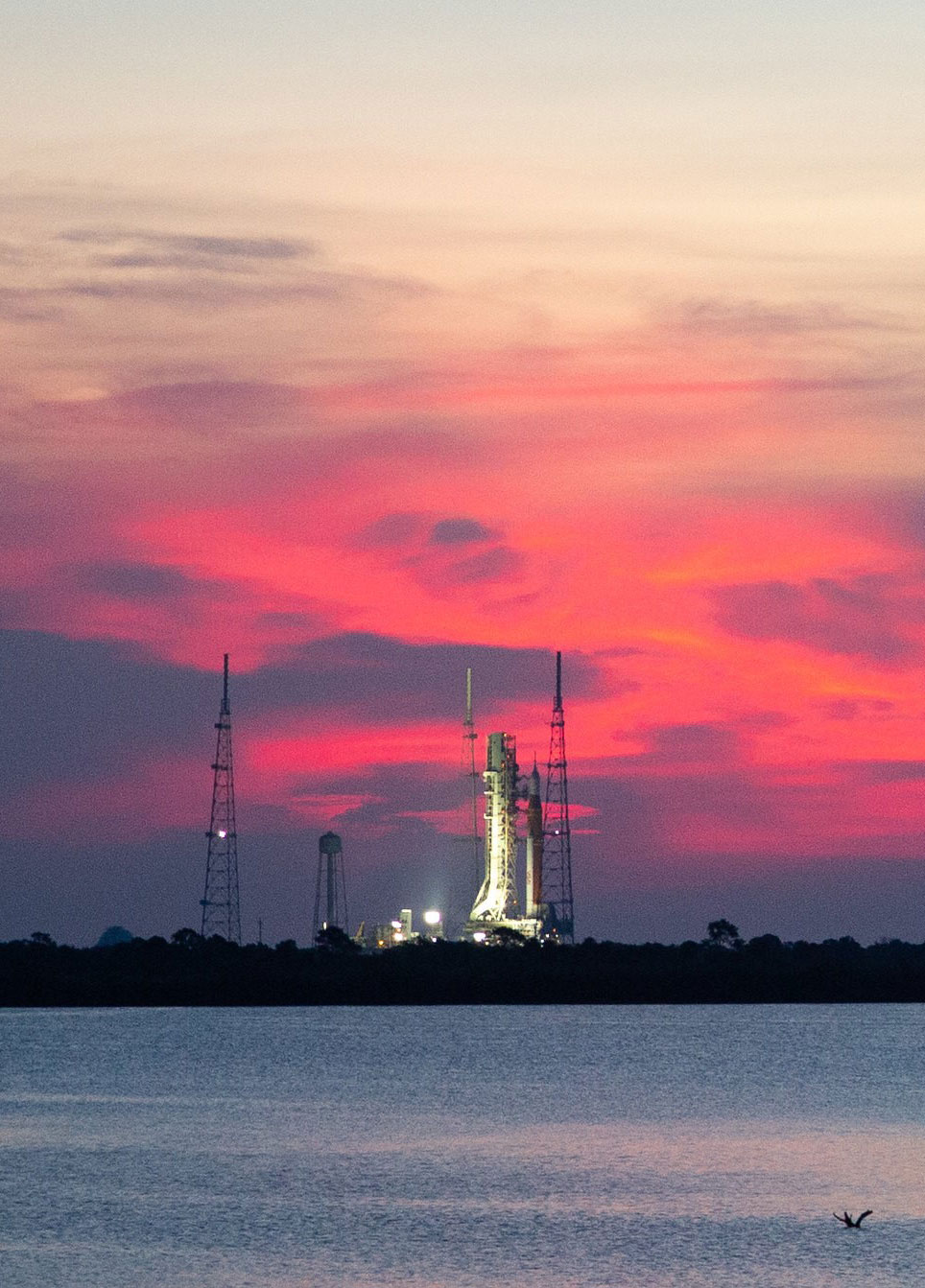
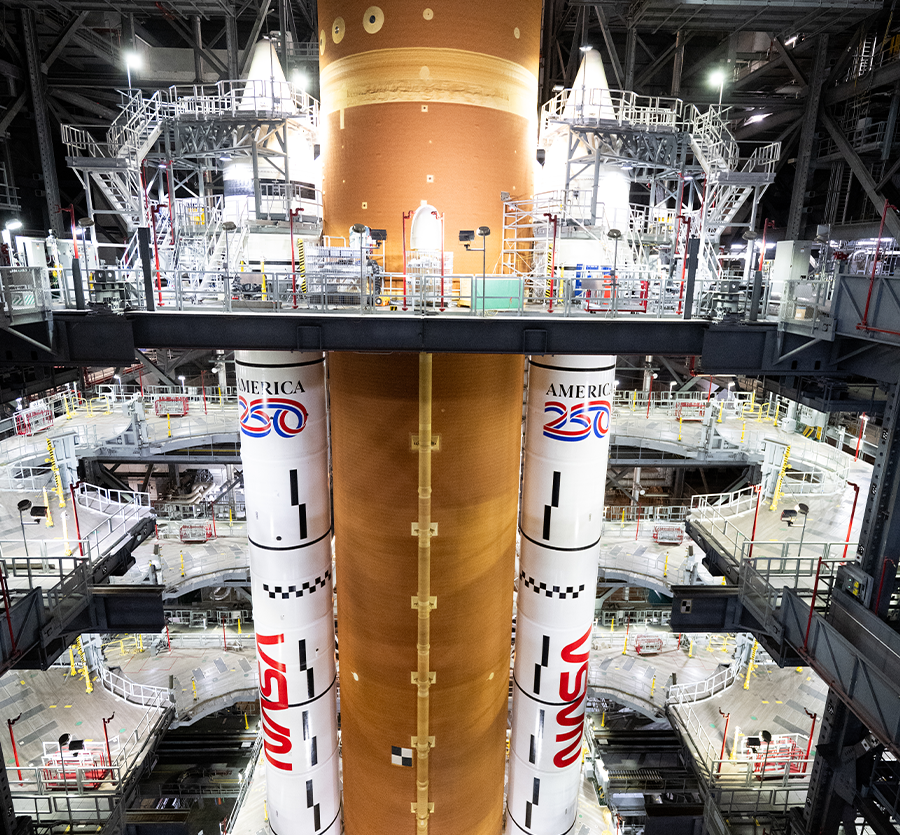
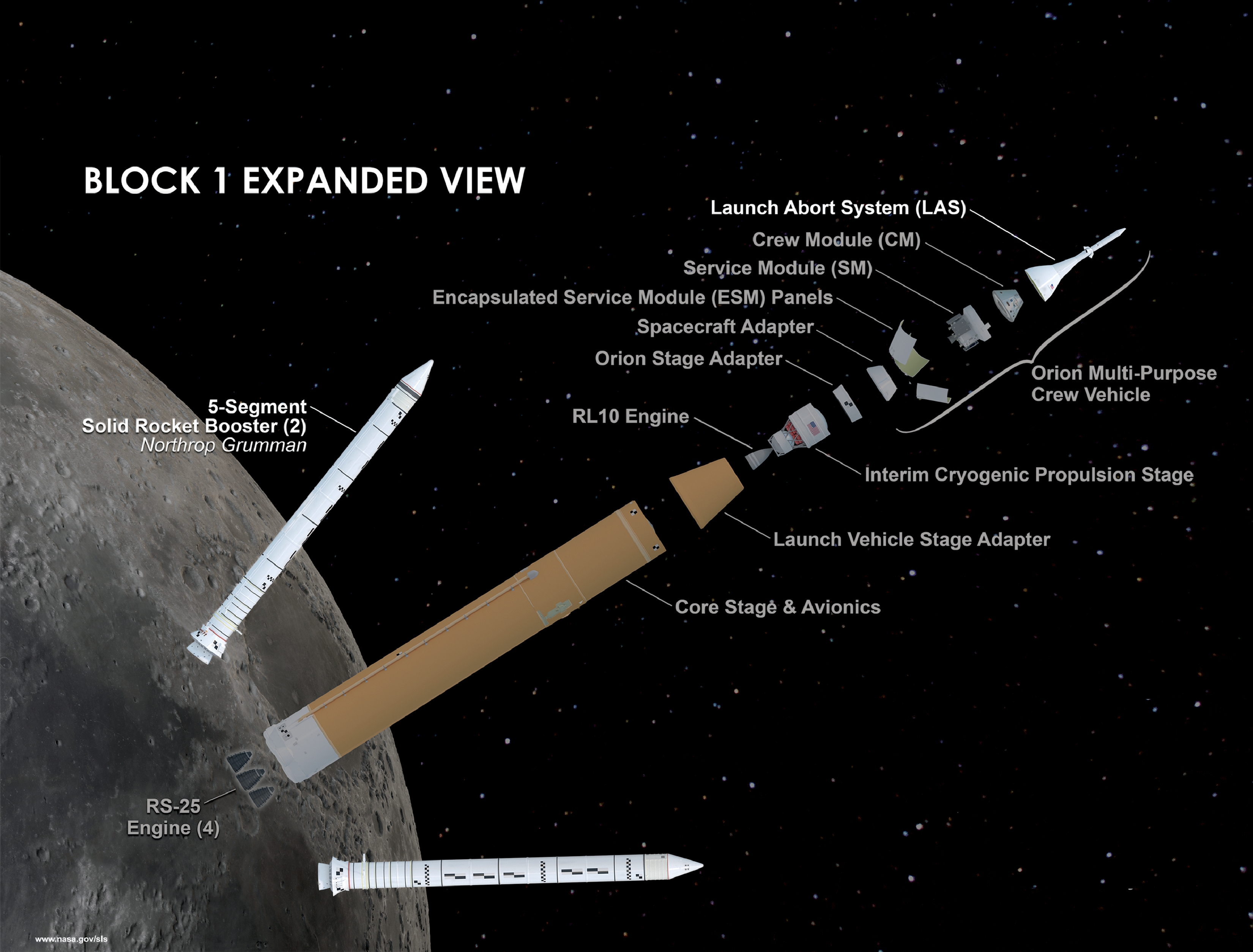
When Artemis II launched from the Kennedy Space Center in Florida, the first Artemis crew traveled out of Earth’s atmosphere and around the moon. The two large, white cylinder-shaped objects bolstered to either side of the rocket — the mission’s twin solid rocket boosters, manufactured by Northrop Grumman — played an integral role. They provided over 7.2 million pounds of thrust — over 75% of the Space Launch System (SLS) rocket’s total thrust at launch — to help the 322-foot rocket escape Earth’s atmosphere.
Loading component...
Loading component...
Loading component...
Summary
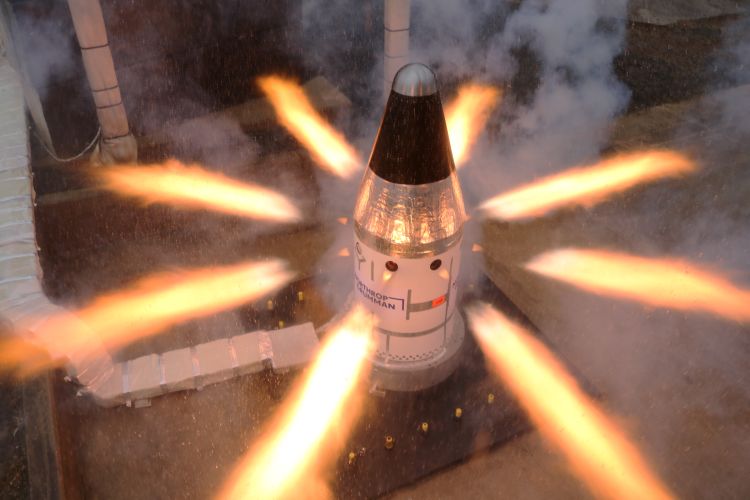
Northrop Grumman powers NASA’s Artemis II mission with twin solid rocket boosters providing over 7.2 million pounds of thrust and critical safety motors, enabling crewed lunar exploration and enhanced astronaut protection during launch.
Key Takeaways
- Northrop Grumman’s solid rocket boosters and abort motors ensure powerful propulsion and crew safety for Artemis II’s lunar mission.
- Northrop Grumman’s unmatched propulsion expertise and scalable production deliver powerful, reliable rocket motors vital for mission success.
Recommended Stories
We mean it when we say anything is possible at Northrop Grumman – and our colleagues are proof of this. With the immense scale and scope of our business, you can shape your career journey with diverse roles and experiences that expand your expertise, feed your curiosity, and fuel your passion.
We are proud to share the stories of our colleagues to inspire future generations.