We are a space pioneer, supporting government, civil and commercial customers.
Space’s Industrial Revolution
How On-Orbit Servicing Enhances U.S. Strategic Resilience
By Sophia Morris
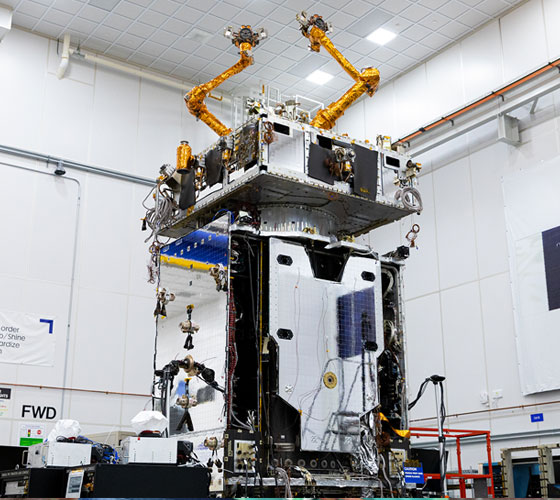
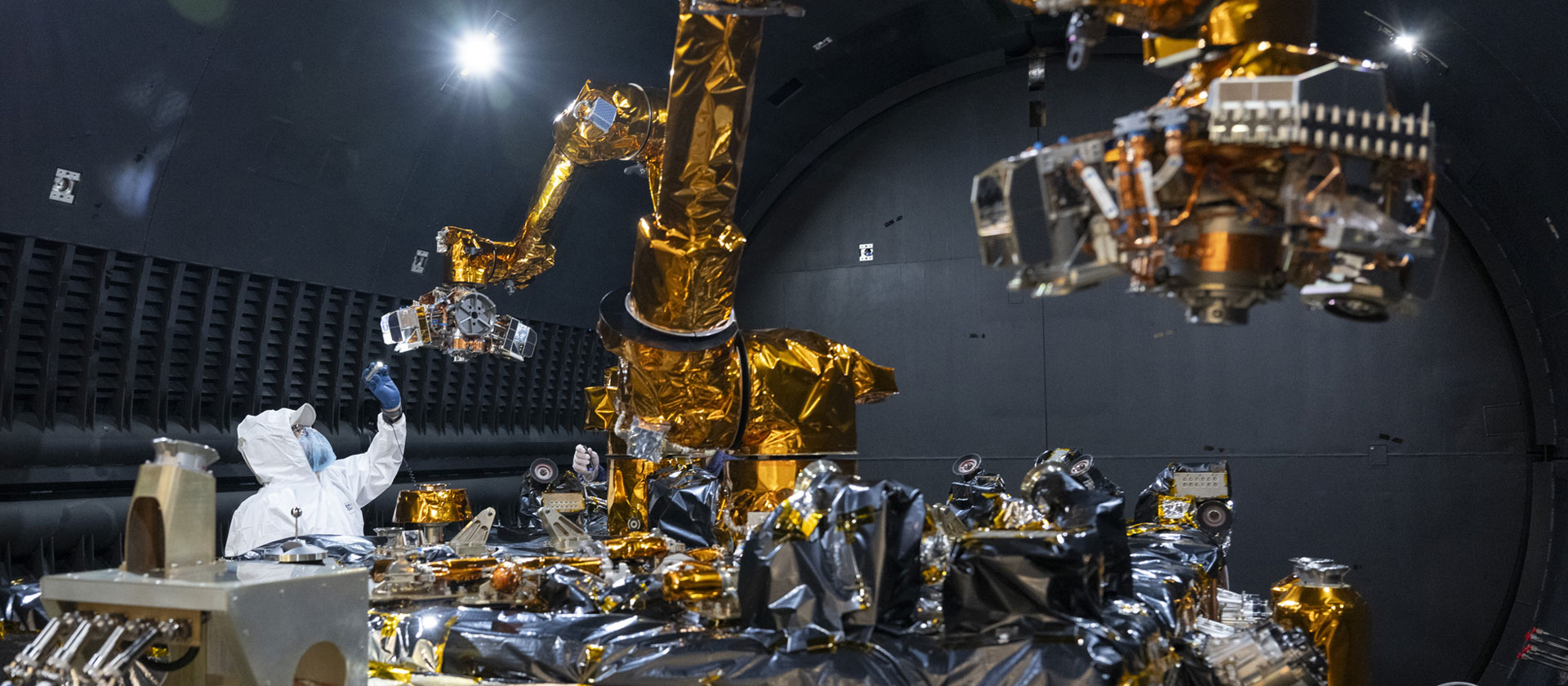
Northrop Grumman is pioneering a space industrial revolution with on-orbit satellite servicing – a capability that, until recently, did not exist. This next generation technology boosts the resiliency of existing Geosynchronous Earth Orbit (GEO) satellites and enables the evolution of future satellites by unlocking access to critical maintenance and support without service disruption. It also provides a strategic advantage against our adversaries as the U.S. pursues national security through critical advancements in space technology.
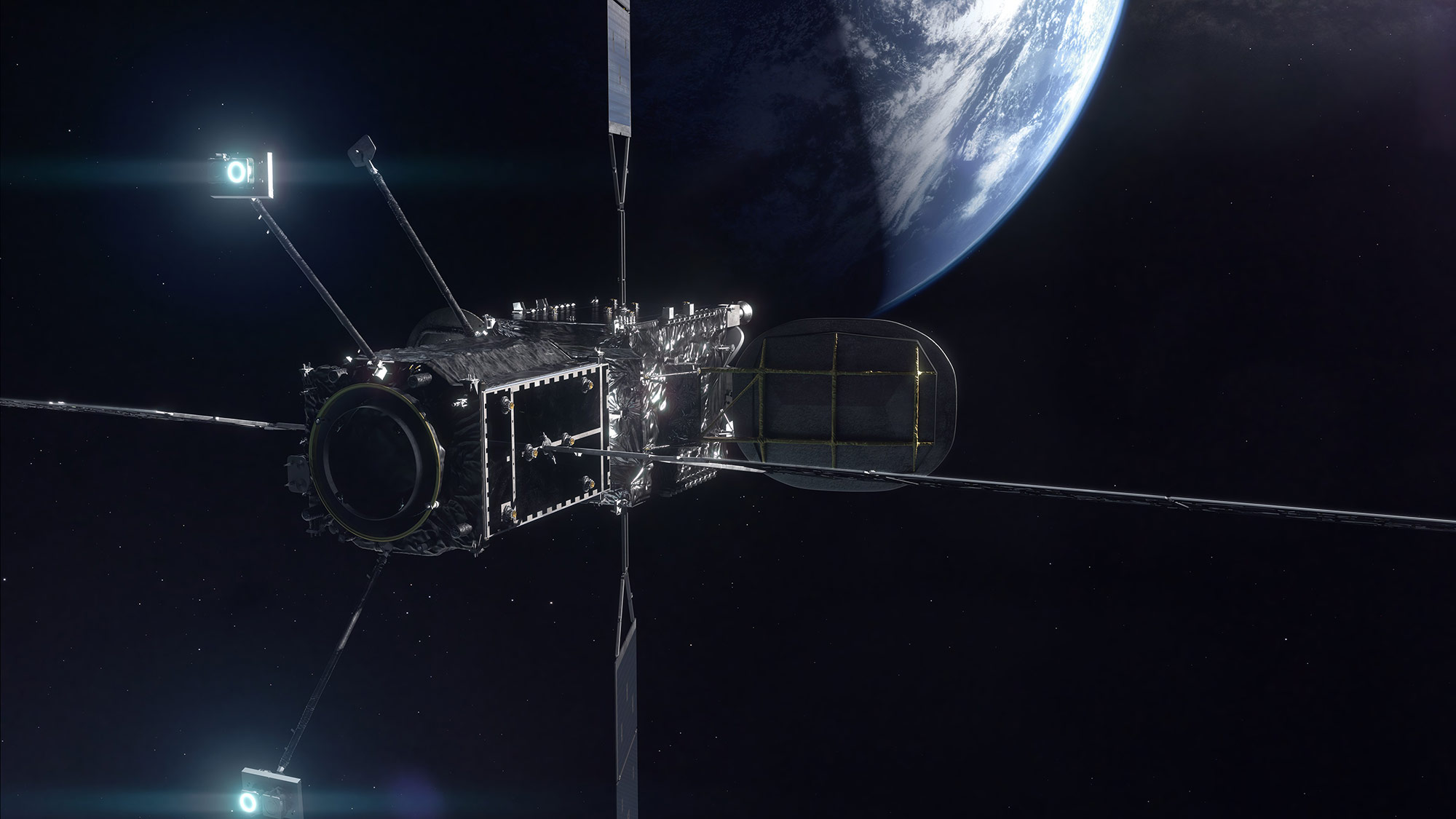
With proven on-orbit satellite servicing missions in operation today, the space domain is entering a transformative period where servicing satellites will soon be as routine as servicing aircraft. Five years ago, Northrop Grumman’s SpaceLogistics became the first and only company to extend the life of a commercial satellite running low on fuel through revolutionary on-orbit servicing. The Mission Extension Vehicle-1 (MEV-1) docked with the Intelsat 901 satellite and later MEV-2 docked with the Intelsat 1002 satellite in GEO – effectively extending the mission life of both satellites.
“Our proven experience in on-orbit servicing is redefining the boundaries of resiliency, flexibility and capability in the satellite industry,” said Robert Hauge, president of SpaceLogistics at Northrop Grumman.
Today, the two MEVs have provided nearly a decade of combined in-space service with no reported disruptions to satellite operations. With the recent completion of a third successful docking operation, Northrop Grumman’s SpaceLogistics continues to advance this crucial capability for a variety of customers and missions while shaping its future.